Your toddler bed needs a mattress that’s 27¼ inches wide by 51⅝ inches long, the same size as a crib mattress. This standard dimension ensures a snug, safe fit with no dangerous gaps. Choose a firm, flat design with a waterproof, breathable cover to handle accidents and protect your child’s developing spine. Look for GREENGUARD Gold certification to confirm low chemical emissions. Whether you prefer lightweight foam or durable innerspring support depends on your budget; both work well when they meet these safety specs. Foam mattresses offer affordability and easy cleaning, while innerspring options provide longer-lasting support as your child grows.
Standard Toddler Mattress Sizes: What You Need to Know
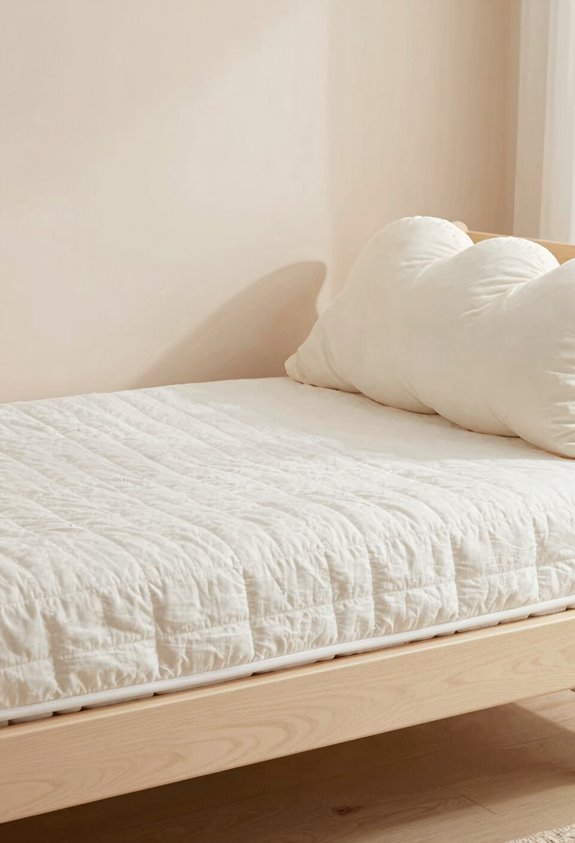
Ever wondered what size mattress fits a toddler bed? The standard crib/toddler mattress size is 27¼ inches wide by 51⅝ inches long, which converts to about 69 by 131 centimeters. Both cribs and toddler beds use this identical mattress size, so you can reuse your child’s current crib mattress if it remains firm, clean, and in excellent condition. Twin mattresses, measuring 38 by 75 inches, are too big for toddler beds; they’re designed for older kids instead. Knowing this standard size helps you shop confidently and make smart decisions for your growing child.

NON-TOXIC, OEKO-TEX STANDARD 100 CERTIFIED COVER: Tested against a list of 1,000+ harmful substances, the soft cover is non-toxic and gentle on a newborn's delicate skin — safe for your baby and family. Best for parents who want a chemical-screened sleep surface from day one.

【No Seams - Fits all 54 "x29.5" cribs】We use hand sewing techniques to provide a tight fit to the crib every time. No risk of unsafe space or losing pacifiers, toys on either side or corner of your crib. And this comfortable Crib & Toddler mattress meets 16-CFR-1633,16-CFR-1632,16-CFR-1241 standard.

【Safety Certificate】This baby crib mattress meets the flammability, lead, phthalate testing standards and (CPSIA) requirements. It does not contain any toxic flame retardants and meets the standards set by federal regulations 16 - CFR - 1633, 16 - CFR - 1632 and 16 - CFR - 1241, providing your baby with a worry-free and safe sleeping environment.
Crib vs. Toddler Mattresses: Why Dimensions and Safety Standards Differ
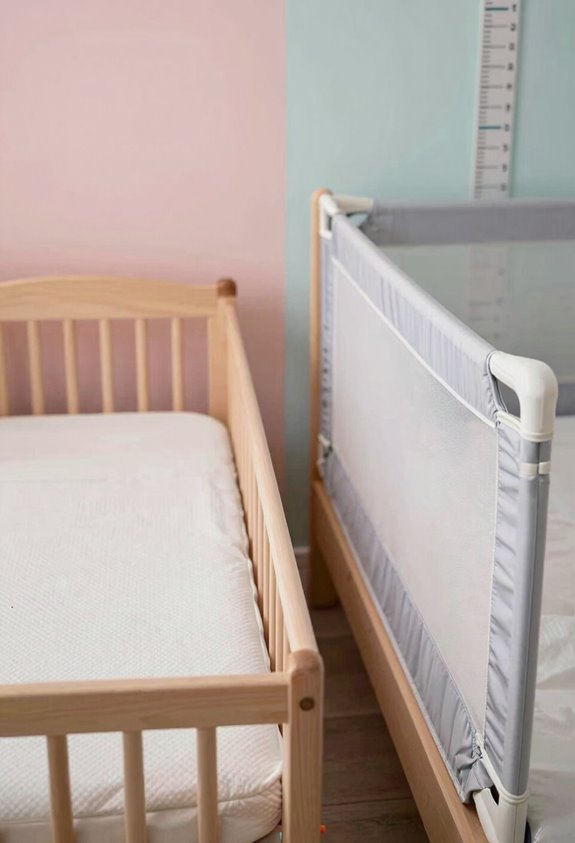
Crib and toddler mattresses share the same dimensions: 27¼ inches wide by 51⅝ inches long. However, the real differences lie in safety standards and certifications like GREENGUARD Gold, which ensure your child’s mattress meets strict material and construction requirements that keep those growing bodies protected. When moving your little one from a crib to a toddler bed, use that same firm mattress to maintain familiarity. Safety fit and proper support are as important as getting the measurements right.

Flexible Fit: Fits mattresses up to 6 inches thick with deep pockets for security.

GREENGUARD GOLD CERTIFIED: Certified products are screened for more than 10,000 chemicals and VOCs known to pollute indoor air; Waterproof sleep surface with a PVC-free TPU coating, designed to keep your crib mattress clean, dry, and cozy

PREMIUM MATERIALS & WELL-CRAFTED: The crib mattress protector is made of food-grade material with good water-resistance (TPU) and comfortable touch (super soft microfiber surface). Besides, the nice quilting process makes the crib mattress protector stable, elegant, and prolongs the life of your crib mattress.
Mattress Dimension Specifications
Did you realize that your crib mattress and toddler bed mattress are actually the same size? Both use identical dimensions, making transitions smoother and bedding compatible.
| Mattress Type | Width | Length | Age Range |
|---|---|---|---|
| Crib Mattress | 27¼ inches | 51⅝ inches | 0–3 years |
| Toddler Mattress | 27¼ inches | 51⅝ inches | 0–3 years |
| Standard Twin | 38 inches | 75 inches | 3+ years |
This standardized dimension specification ensures you’re investing wisely. When your little one transitions from crib to toddler bed, you’ll reuse the same mattress without purchasing new bedding or worrying about fit inconsistencies. Ensure that snug fit with no edge gaps, as this is crucial for safety and spine support.
Safety Standards and Certifications
While crib and toddler mattresses share identical dimensions, their safety standards diverge in important ways that directly affect your child’s health and development. Choosing the right certified mattress matters for your child’s wellbeing.
Look for these essential safety markers when shopping:
- GREENGUARD Gold certification ensuring low emissions and non-toxic materials
- ASTM and JPMA compliance meeting rigorous industry safety standards
- Firm construction supporting your child’s developing spine without soft pillow tops
- Waterproof, breathable covers reducing mold and managing moisture effectively
These certifications represent verified testing by manufacturers. Certified mattresses have undergone rigorous evaluation to confirm safety claims. Selecting a certified mattress means your child sleeps on a product that meets established health and safety requirements, supporting proper spinal development and reducing exposure to harmful substances.
Transitioning Between Bed Types
Now that you’ve addressed the safety certifications, consider transitioning your child from crib to toddler bed. Your crib mattress works perfectly in a toddler bed since they share identical dimensions: 27¼ inches wide by 51⅝ inches long. You don’t need to buy anything new. If your crib mattress is clean and firm, keep using it. Your toddler gets a familiar sleep surface, which means easier transitions and better sleep. Ensure the mattress fits snugly with no edge gaps in the new frame. Add safety rails for accessibility, keep bedding low-profile, and choose breathable materials. This approach makes the shift smooth and secure for your growing child.
Measuring Your Toddler Bed Frame: Why Exact Dimensions Matter
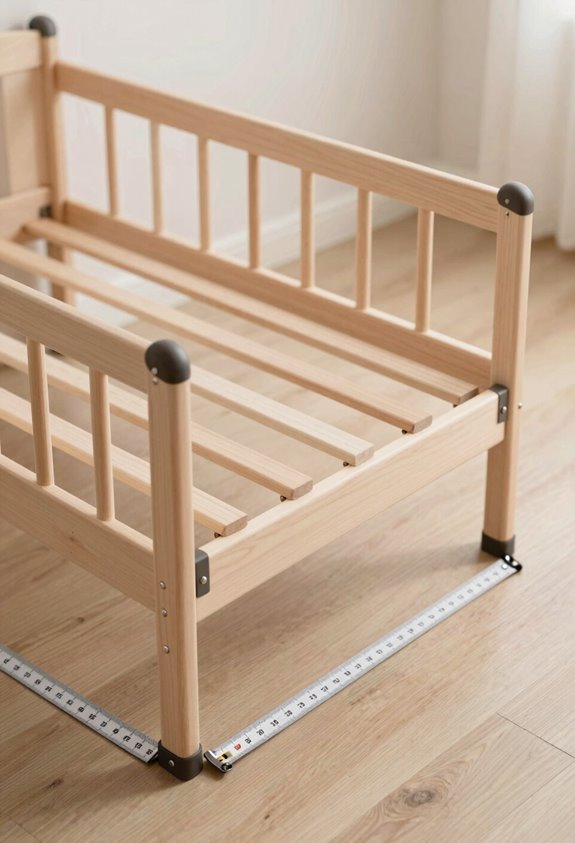
Measuring your toddler bed frame is crucial. You’ll want to check the internal width and length of your bed frame against those standard 69 x 131 cm mattress dimensions, because even a tiny gap between the mattress and rails can pose a safety risk that’s preventable. Getting exact measurements before you buy means you’ll find that perfect snug fit, which keeps your little one secure and comfortable as they settle into their new sleeping space.

COOLER, SAFER SLEEP FOR BABY: Breathable cotton cover with airflow channels helps promote air circulation around your baby for a cooler sleep environment, while the waterproof, PVC-free barrier helps protect against leaks and messes. Firm crib mattress surface supports safer sleep and easy cleanup.

WATERPROOF COVER: Waterproof vinyl cover easily wipes clean | Pattern on mattress cover may vary

GROWS WITH BABY: Dual-sided crib mattress features a firm infant side (0–12 months) and a cushioned toddler side (12 months+), providing long-lasting comfort, proper support, and a safe sleep surface as your baby transitions from newborn to toddler stage.
Standard Frame Dimensions
Getting exact measurements for your toddler’s bed is essential for safety and comfort.
Most toddler bed frames are designed specifically for the standard crib/toddler mattress size of 27¼ inches wide by 51⅝ inches long. This measurement is critical for the following reasons:
- Interior sleeping area must match exactly to prevent dangerous edge gaps
- Snug fit keeps the mattress secure and stable during restless sleep
- No wobbling or shifting means better safety for active toddlers
- Perfect support ensures your child sleeps soundly through the night
When you verify your frame’s interior dimensions match this standard mattress size precisely, you create the ideal sleep environment. Matching these dimensions correctly reduces the risk of entrapment and ensures your toddler’s safety during sleep.
Gap Prevention Essentials
Why do gaps between your toddler’s mattress and bed rails matter so much? They’re a safety concern that you can prevent. When you use the right mattress size—27¼ inches wide by 51⅝ inches long—you’re creating a snug fit that keeps your little one secure. A firm, supportive mattress makes a significant difference because it resists shifting and compression as your child grows and moves around. Pair that perfect mattress size with a fitted sheet to anchor everything in place. Make it part of your routine to check all four corners and along the rails regularly. You’ll spot any looseness early, and this simple habit protects your child’s sleeping space by eliminating potential entrapment hazards.
Why a Firm, Flat Mattress Is Non-Negotiable
A firm, flat mattress is essential for your toddler’s bed, not merely a nice-to-have. When you choose the right crib mattress foundation for your toddler’s transition, you’re investing in their spine health and growth. Firmness matters for these reasons:
- Proper spinal alignment during those crucial growing years
- No pillow tops or plush layers that compress under weight
- Low-profile construction that prevents entrapment risks
- Minimal compression for safer, easier transfers
Your little one’s developing body needs that supportive surface every single night. A soft mattress might feel cozy, but it actually compromises the support their growing spine needs. You’re providing them with a foundation that keeps them safe while they sleep and develop.

Safety Certified Design: Fits all standard cribs & toddler beds,dimensions of L (52 inches) x W (27.6 inches) x H (5 inches), the mattress fits any standard crib,convertible crib and toddler bed.Doesn't have any glue, latex,or springs that these could be harmful over time.Our crib & toddler mattress passes flammability 16-CFR-1633,16-CFR-1632,16-CFR-1241 standard,non-toxic -you can use it for many years.

Fully certified crib mattress:It meets CPSC requirements and passes CFR 1632 & 1633 flammability tests, with firmness and size matching ASTM F2933-25 standards. Rigorous standards crafted for babies offer full peace of mind to mothers.

GREENGUARD GOLD CERTIFIED: Tested for more than 10,000 chemicals and VOCs, this crib mattress is certified to contribute to cleaner indoor air and meets the most stringent chemical emissions standards to create a healthier home for your baby
Waterproof Covers That Breathe: Protection Without the Sweat
your toddler’s mattress needs to handle spills, accidents, and the occasional juice box catastrophe without trapping heat or moisture against their skin. Waterproof mattress covers provide this essential protection. These protective layers shield your investment from every messy mishap while letting your little one stay cool and comfortable throughout the night. The liquid-repellent technology doesn’t add bulk or block airflow. Your toddler sleeps soundly without sweating through their sheets. Some covers include GREENGUARD Gold certification and antimicrobial treatments, which improve air quality around your child’s sleep space. Breathable, lightweight covers maintain proper temperature balance and support better sleep quality. You protect both the mattress and your child’s health simultaneously.

Unique Style: Stand out with our classic quilted design. It locks in filling for even support and helps regulate temperature—stylish and practical
Unique Style: Stand out with our classic quilted design. It locks in filling for even support and helps regulate temperature—stylish and practical

Unique Style: Stand out with our classic quilted design. It locks in filling for even support and helps regulate temperature—stylish and practical
Foam vs. Innerspring Toddler Mattresses: Which Type Suits Your Child?
When you’re choosing between foam and innerspring mattresses for your toddler’s bed, you need to understand what each type offers. Foam provides lighter weight and easier handling, while innerspring constructions offer superior edge support and durability that withstands years of jumping and active play. This guide walks you through the real benefits of each option so you can determine which material fits your child’s needs and your family’s lifestyle. The comparison covers firmness levels, moisture-handling capabilities, and long-term performance differences to inform your decision for your child’s sleep setup.

FITS MINI & SELECT PORTABLE CRIBS - Measures 38” L x 24” W x 3” H for a snug, secure fit. Does not fit baby playards, ensuring proper fit and safer sleep.
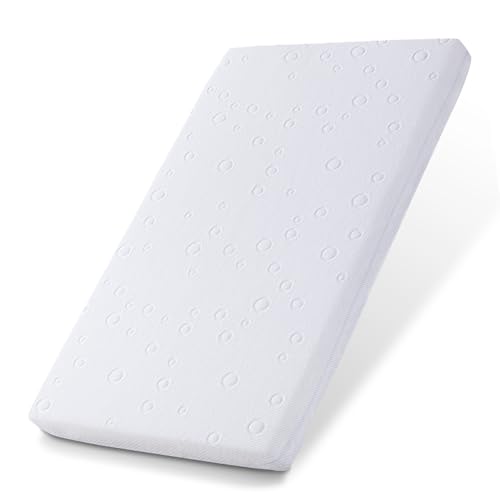
【Perfect Fit & Portability】This bassinet mattress fit for Dream On Me Nest/Zodiak/Zoom Portable, Pamo Babe Deluxe and Baby Trend Playard. (36.5” x 25”x 2”) . Ultra-lightweight design makes it ideal for travel, nursery, or grandparents’ house

Safety Certifications: The mini crib mattress meets the 16 CFR 1632 /1633 and 16 CFR 1241 Federal Flammability tests
Foam Mattress Benefits
Why do so many parents choose foam mattresses for their toddlers’ beds? They offer genuine practical advantages that make parenting easier.
Foam mattresses deliver significant benefits:
- Lightweight design – You can lift and rotate them solo, perfect for quick cleaning sessions
- Affordable pricing – Quality foam options fit most budgets without sacrificing safety
- Waterproof covers – GREENGUARD Gold or OEKO-TEX certified options protect indoor air quality
- Durable support – Higher-density foam provides the firm foundation growing spines need
The standard toddler size of 27¼ x 51⅝ inches fits perfectly in most beds. Unlike innerspring mattresses, foam cores avoid coils entirely, meaning no unexpected sagging or discomfort. The lighter foam makes maintenance manageable, especially when juggling multiple responsibilities. Foam mattresses provide reliable support for your child’s development.
Innerspring Construction Advantages
Innerspring toddler mattresses deliver the firmness your growing child’s developing spine needs. The coil core creates excellent edge stability, preventing your little one from sinking near the bed’s borders. This design feature enhances both safety and comfort.
These mattresses promote superior airflow through their structure, keeping children who naturally overheat cool throughout the night. Unlike foam-only options, innerspring mattresses maintain their shape through years of jumping and sleeping, resisting the sagging that weakens support.
Many innerspring models feature waterproof covers and antimicrobial treatments that match toddler-specific safety requirements. When selecting a mattress, look for GREENGUARD Gold certification to ensure your child sleeps on quality construction built to last.
Choosing The Right Type
Now that you understand why innerspring mattresses excel at supporting your toddler’s spine, you need to pick between the two main contenders: foam and innerspring. Both have significant strengths.
Here’s what makes each option special:
- Foam mattresses are lightweight, incredibly affordable ($60–$130), and mold beautifully to your child’s body
- Innerspring options provide superior edge durability and cooler airflow, which is ideal if your toddler runs hot
- GREENGUARD Gold certified choices guarantee low emissions and maximum safety for your little one
- Standard toddler sizes (27¼ x 51⅝ inches) work with waterproof covers for easy cleaning
Consider your child’s needs first. Does your toddler need budget-friendly comfort, or would firmer support and breathability be more beneficial. Both fit standard crib-to-toddler transitions well, so you’re selecting what works best for your family.
Dual-Sided Mattresses: Why Parents Love Them
How do you pick a mattress that grows with your child? Dual-sided toddler mattresses offer significant value for parents seeking longevity. You get two firmness levels in one design: a softer memory foam side (4) for younger toddlers and a firmer polyfoam side (6) for older ones. Brands like Helix Kids provide this reversible approach, allowing you to flip as your child develops.
| Feature | Soft Side | Firm Side |
|---|---|---|
| Best For | Younger toddlers | Older toddlers |
| Comfort Level | Memory foam support | Polyfoam stability |
| Core Support | Pocketed coils | Pocketed coils |
| Durability | Long-lasting design | Extended use |
The breathable covers manage heat and spills effectively, while safety certifications like GREENGUARD Gold indicate compliance with strict chemical emission standards. These mattresses fit standard crib dimensions perfectly, making transitions seamless.

100% Waterproof Protection: Our crib mattress protector offers a reliable shield against spills, accidents, and stains, keeping your baby's crib mattress clean and dry.

Greatly Fit: Our waterproof crib mattress protector measures 28 x 52 x 5 inches, fitting snugly onto any standard mattresses up to 6 inch. This crib mattress pad feels amazingly soft and will surely keep the mattress smooth for your little one to sleep on.

SOFT, BREATHABLE SLEEP SURFACE: Cozy micro-weave fabric creates a soft, airy layer that helps keep baby comfortable through naps and overnight sleep. Stretch-knit design fits standard full-size crib mattresses securely with less shifting or bunching under fitted sheets.
What Those Safety Labels Actually Mean (And Why They Matter)
While dual-sided mattresses give you flexibility as your child grows, something important is found on those tiny tags and certification labels: your child’s health and safety.
Those official seals are proof that manufacturers have tested their products rigorously. When selecting a toddler mattress, look specifically for:
- GREENGUARD Gold certification, proving the mattress passed stringent testing for low chemical emissions
- ASTM and JPMA standards, confirming minimum performance and safety requirements are met
- Non-toxic, breathable cover materials, ensuring your child breathes clean air during sleep
- Waterproof or spill-resistant features, protecting against mold and odors that compromise air quality
These certifications are substantive markers. They demonstrate that your toddler’s mattress reduces exposure to harmful substances. When you see them, you’re selecting a mattress that actively supports your child’s wellbeing during those critical growing years.
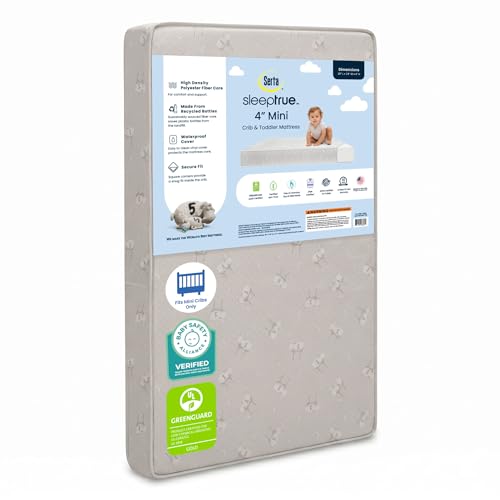
FITS MOST MINI & PORTABLE CRIBS: This crib mattress fits most mini cribs and portable cribs; mattress measures 38"L x 24"W x 4"H (not designed for standard cribs or pack 'n plays) | Measure your crib first to ensure a perfect fit.General Note: Please allow 24 - 72 hours for your Mattress to regain its full shape. Any memory foam will expand faster in a warmer room. In cold temperature, at delivery, your mattress may take a bit longer to return to full sized from its compressed state.The expansion time of the mattress will vary as per the surrounding
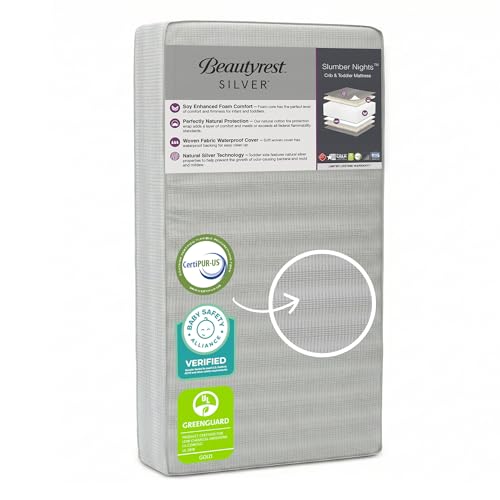
DUAL SIDED FOR BABIES & TODDLERS: Firm foam core blended with plant-based soy offers superior support | Infant side features ideal firmness for babies | Toddler side features Natural Sliver Technology

2-Stage Dual Firmness Crib Mattress – Firm infant side with heavy-duty innerspring support and reinforced border wire plus a softer toddler side with soybean memory foam for pressure relief, posture support, and safer sleep from newborn through toddler years
Finding Quality Toddler Mattresses Under $150
Can you get a fantastic toddler mattress without spending a fortune? Yes. I’ve found amazing options under $150 that don’t compromise on quality or safety.
Dream On Me offers incredible choices starting at just $38.05, with their Starbright breathable foam mattress around $59.98–$75.99. Sealy’s Baby Prestige Sleep delivers great value at $74.96, featuring free shipping and next-day delivery options.
Dream On Me and Sealy deliver budget-friendly toddler mattresses with free shipping and next-day delivery options starting under $75.
One standout feature is finding GREENGUARD Gold Certified mattresses in this price range. Graco’s Premium Foam Crib and Toddler Mattress costs $99.97–$132.96 and carries that certification, meaning low chemical emissions without the premium price tag.
These mattresses fit standard 27¼ by 51⅝ inch dimensions, so they’re compatible with both cribs and toddler beds. You’re not sacrificing safety or comfort. You’re choosing budget-conscious options that meet safety standards.

SLEEPS CALM ALL NIGHT – Dual-layer construction with gel-infused premium foam accelerates airflow and wicks heat away from your baby's body, maintaining a comfortable sleep temperature. your baby stays cool, calm, and sleeping soundly.

GROWS WITH BABY: Dual-sided crib mattress features a firm infant side (0–12 months) and a cushioned toddler side (12 months+), providing long-lasting comfort, proper support, and a safe sleep surface as your baby transitions from newborn to toddler stage.
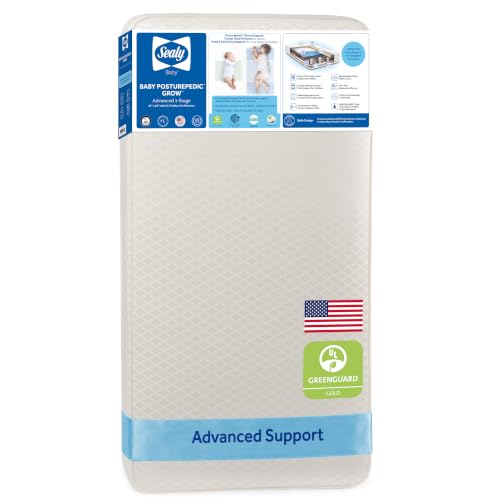
Two Stage Comfort Support: Dual firmness design features a firmer infant side designed to provide the supportive feel recommended for babies with extra firmness at the center for infants, and added cushioning at the head and feet for toddlers
Keeping Your Toddler Mattress at the Right Temperature
I’ve discovered that the best toddler mattresses keep your child comfortable through the night, as breathable materials and smart airflow design are essential factors. You’ll want to look for coil cores paired with breathable covers like Tencel, which allow steady airflow and prevent heat buildup that wakes kids up. When you combine a snug-fitting mattress, liquid-repellent sheets, and a firmer support base (skip those soft pillow tops), you create an effective temperature-controlled sleep environment for your child.
Unique Style: Stand out with our classic quilted design. It locks in filling for even support and helps regulate temperature—stylish and practical

Luxurious Cotton Cover - The Sleepah crib mattress topper offers exceptional softness, breathability, and safety for your baby. It is easy to remove and wash.
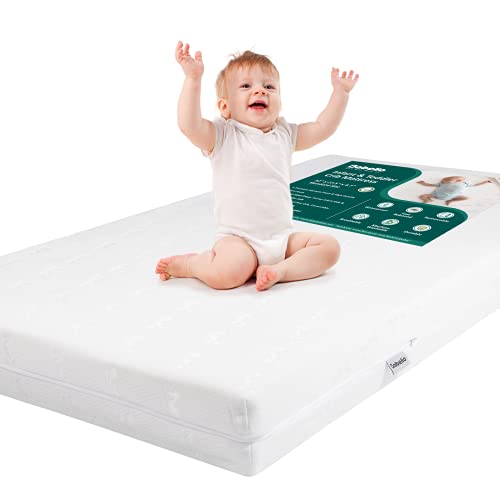
【Soft as Clouds】The crib mattress is designed for infants' growth and development. The toddler mattress has the ideal firmness, comfortable and breathable
Breathable Materials and Airflow
Temperature regulation is a critical factor in choosing your toddler’s mattress and significantly impacts sleep quality. Breathable materials make a substantial difference in keeping your little one comfortable throughout the night.
A temperature-regulating mattress includes:
- Tencel covers with antimicrobial treatment that wick moisture away from your child’s skin
- Pocketed coil layers that promote steady airflow and prevent heat trapping
- Lightweight foam construction designed to minimize heat buildup while maintaining support
- Natural fiber blends that enhance breathability across all mattress layers
Breathable materials reduce nighttime overheating and sleep interruptions. Your toddler will sleep more soundly on a mattress that manages heat effectively during active sleep cycles.
Heat Retention and Cooling Technologies
While breathable materials lay the groundwork for a cooler sleep surface, advanced cooling technologies actively manage heat throughout the night. Gel-infused memory foam, like what you’ll see in the Bear Cub mattress, wicks moisture away while keeping your toddler comfortable. The Helix Kids combines pocketed coils with breathability features that let air flow continuously, preventing that trapped-heat feeling. These technologies work together synergistically. Gel infusions cool the foam, pocketed coils create airflow channels, and antimicrobial treatments protect against moisture buildup. Mattresses with these cooling layers support deeper, more restful sleep for your child throughout warm nights.
Toddler Mattress Care: Cleaning and Waterproof Cover Maintenance
How do you keep your toddler’s mattress fresh and protected for years to come? A quality waterproof cover is essential for protecting your investment from spills, accidents, and stains. These factors make mattress care manageable and effective:
- Removable, washable covers that you can toss in the washing machine whenever needed
- Water-repellent barriers that shield against moisture penetration and odors
- GREENGUARD Gold certified options that ensure low chemical emissions for safer indoor air
- Regular cleaning routines that keep your mattress hygienic and fresh-smelling
Removable covers simplify maintenance significantly. Managing spills becomes straightforward, and hygiene is easier to maintain. Combined with a firm mattress structure, these protective measures keep your toddler’s bed comfortable and supportive as they grow, extending the mattress lifespan and reducing the need for early replacement.
When Does Your Child Outgrow a Toddler Mattress?
Eventually, your little one’s feet will touch the footboard, and you’ll notice them stretching out in ways that signal it’s time for a bigger bed. Most children outgrow the toddler mattress between 18 months and 3 years old, though every child develops at their own pace. Signs include feeling cramped, climbing out of bed, or reaching the potty training stage. The standard toddler mattress measures 27¼ inches wide by 51⅝ inches long, which works well initially but eventually becomes too small. When your child needs more sleeping space, transition to a larger bed. You can keep the same firm mattress you’ve invested in by switching to a low bed frame or floor bed with guardrails for safety and continuity.
Recognizing Signs Your Toddler Is Ready for a Bigger Bed
When does your child actually need to move on from that cozy toddler bed? Several telltale signs signal readiness for a bigger sleeping surface.
Your little one might be ready when they:
Your child may be ready for a bigger bed when they climb out of their crib, express interest in new bedding, show potty training progress, or need more sleeping space.
- Climb out of the crib repeatedly, showing they’ve outgrown their current space
- Express interest in using real sheets or bringing favorite bedtime toys to a new bed
- Show potty training progress and want independence with nighttime routines
- Feel physically cramped, needing more room to stretch and sleep comfortably
These signs matter because they indicate your child’s developing independence. When you notice these behaviors, transitioning from a toddler mattress becomes less about size and more about supporting their growth. Recognizing these moments helps you make confident decisions that align with your child’s developmental stage.
Top-Rated Toddler Mattress Brands: Quality Options for Every Budget
Once you’ve spotted those readiness signs, it’s time to find the perfect mattress for your growing child. The options available are comprehensive and varied. Helix Kids stands out as a top choice, featuring a flippable hybrid design with memory foam on one side and firmer polyfoam on the other. At just 8 inches tall, it’s designed for little sleepers, plus its waterproof barrier and antimicrobial cover manage accidents effectively. Solid alternatives include Graco, Sealy, and Dream On Me, with prices ranging from $38 to $749. Many carry GREENGUARD Gold certification, indicating they meet safety and health standards for children.
Making the Transition: From Crib to Toddler Bed Success
How do you know when your little one is ready to make this transition? Look for signs like climbing out of the crib or seeming cramped inside. These are indicators that your child needs a toddler bed.
Look for signs like climbing out of the crib or seeming cramped—these indicate your child is ready for a toddler bed.
The transition goes smoothly when you follow these steps:
- Keep the same firm mattress (27¼ inches by 51⅝ inches) so everything feels familiar
- Add safety rails to prevent tumbles during those first nights
- Use new, exciting sheets or a special bedtime toy to create positive feelings
- Consider a low frame or floor bed for easy access and confidence
Involving your child in choosing new bedding creates genuine excitement about sleeping in their big-kid bed. When you preserve routine while adding these safety features, your toddler transitions with confidence. The mattress size stays identical, so you’re simply upgrading the experience, not the foundation.