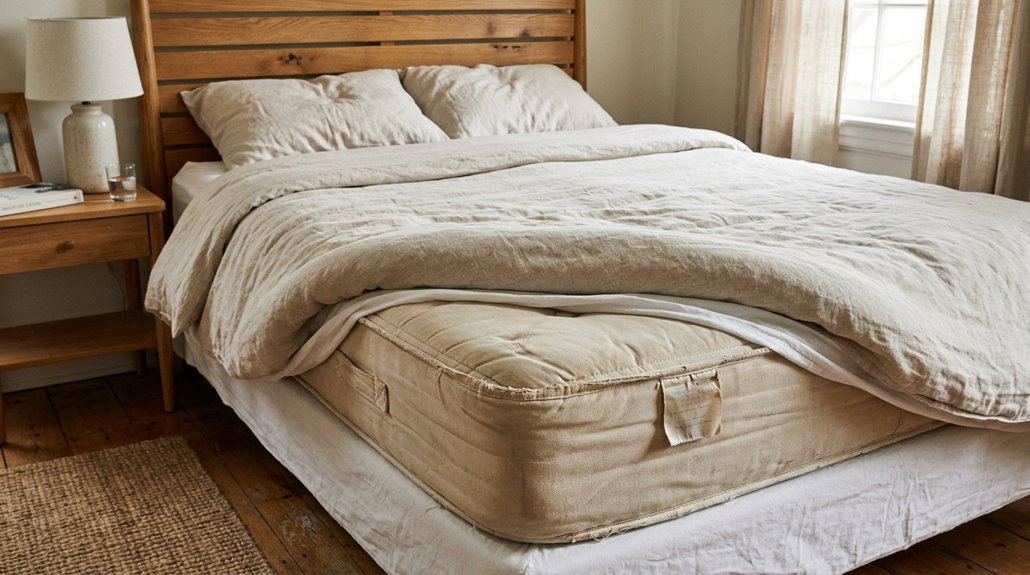
A quality mattress typically stays usable for 7–10 years, though it really depends on the material. Latex mattresses are champions, lasting 8–12+ years, while memory foam and hybrids hit that sweet spot around 7–10 years. Innerspring mattresses usually bow out sooner at 5–8 years. Your weight, sleep position, and maintenance habits dramatically shape lifespan. When you notice sagging, morning pain, or persistent allergens that cleaning won’t fix, it’s time for a replacement. Watch for these signs to know when your mattress needs to go.
How Long Does a Mattress Last by Material Type?
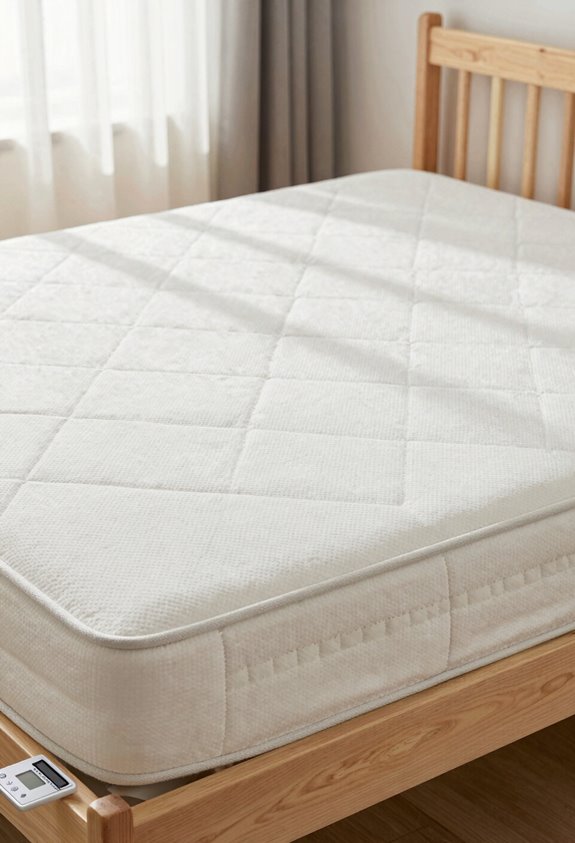
Ever considered why your friend’s mattress feels brand new after five years while yours seems ready for retirement? The answer lies in the materials. Different mattress types have significantly different lifespans, and understanding this helps you make smart choices.
Foam mattresses typically last 7–10 years, with higher-density options pushing toward that upper end. Innerspring mattresses are shorter-lived, usually lasting 5–8 years, though coil quality matters tremendously. Hybrid mattresses blend both, offering 6–10 years of durability depending on component quality.
Latex mattresses are the most durable option, lasting 8–12+ years, especially natural latex. The durability gap between materials is substantial. Your mattress lifespan ultimately depends on usage, weight, care, and environment, but knowing your materials helps you pick options that will keep you comfortable longer.
Firm - Provides Strong Pinpointed Support
![12 Inch - Queen size [60" x 80"] Hybrid Latex Mattress, Luxury Euro Top with Latex Comfort Foam & Individually Wrapped Pocket Coils | Cooling Support, Pressure Relief & Motion Isolation](https://m.media-amazon.com/images/I/41id0NrDb2L._SL500_.jpg)
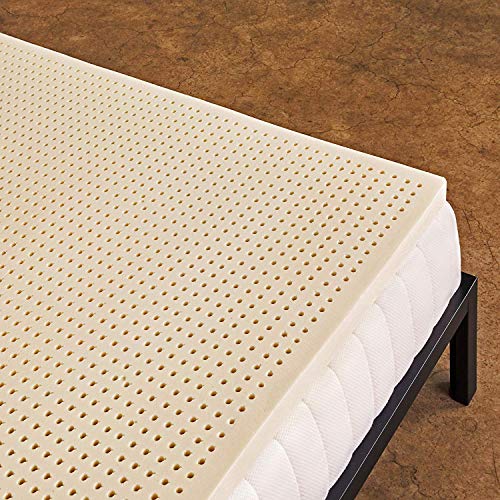
[NATURAL LATEX COMFORT LAYER] Premium responsive latex provides breathable comfort, pressure relief, and a gentle bounce that helps prevent the "stuck" feeling common in traditional memory foam mattresses.

The Pure latex top layer adopts Talalay Latex technology, a healthier manufacturing process without gellation reagents in its formula, combines with our strict purity standards to ensure that you rest peacefully on your new mattress from the very first night. There are no off-putting smells or irritants, and no need to wait days for your mattress to "air out" . Full Size Dimension: 75"X54"X8"
5 Physical Signs Your Mattress Needs Replacement
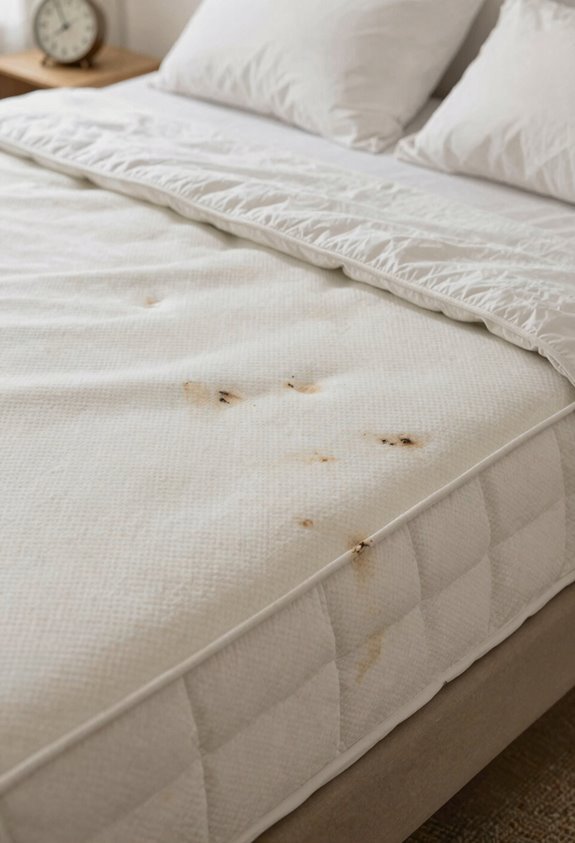
Your mattress sends clear signals when it’s time for a replacement. When you wake up feeling sore in your neck, back, hips, or shoulders, even though you used to sleep well, your mattress has lost its support. This is one of the most important signs to catch early.
You might also see visible sagging or permanent body impressions on the surface. This means the cushioning has broken down and can no longer bounce back.
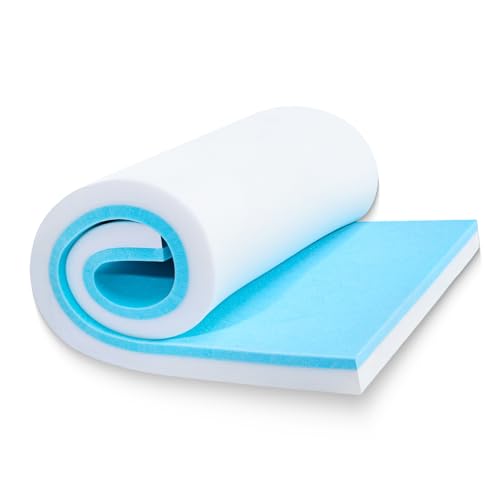
MEMORY FOAM PAD: Made from 0.4 inch blue memory foam bonded to a 0.6 inch foam support layer, combining high-quality materials to provide enhanced performance. Our replacement sofa cushions are designed for high density and provides superior sturdiness
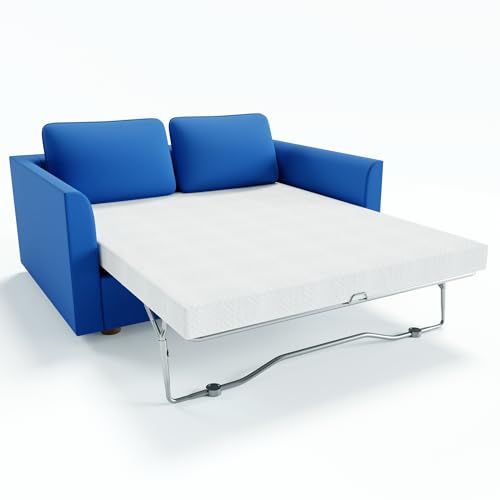
Queen size pull-out mattress measures 72"L x 58"W x 4.5"TH. The mattress is vacuum packed for easy transportation to family and friends. Please allow 24 to 72 hours for the mattress to return to its full shape, ensuring you enjoy quality sleep

Comfort Design: Soft gel memory foam mattress provides superior support and transforms any pull-out couch, sleeper sofa, or even your existing mattress into a comfortable sleeping surface; Perfect as a replacement or as a topper for added comfort.
Visible Sagging And Impressions
How’d you like it if your mattress remembered exactly where you slept every single night, but not in a good way? That’s what visible sagging and impressions tell us. When you notice body-shaped dips that don’t bounce back after you get up, your mattress wear is serious. These indentations mean the foam or springs have genuinely degraded from regular use, which directly impacts your mattress lifespan. Sagging support isn’t just uncomfortable; it affects your entire sleep comfort and spinal alignment. If you see lumps, bulges, or permanent depressions even after checking your frame, those signals indicate replacement time is necessary. A deteriorated mattress cannot deliver the support you need.
Pain And Sleep Disruption
When you’re waking up with aches in your back, neck, hips, or shoulders that weren’t there before, your mattress might be sending you a serious message. When sagging mattresses lose their pressure relief properties, they fail to support your spinal alignment properly. Your sleep quality suffers dramatically because your spine doesn’t maintain its natural curve during the night. You might find yourself tossing and turning constantly, struggling to get comfortable no matter how you position yourself.
If your back pain worsens after sleep but improves once you’re up and moving around, this indicates your mattress is experiencing serious wear. When pressure relief fails this completely, replacement isn’t optional; it’s essential for your health and restful nights ahead.
Morning Pain and Poor Sleep: Signs of a Failing Mattress
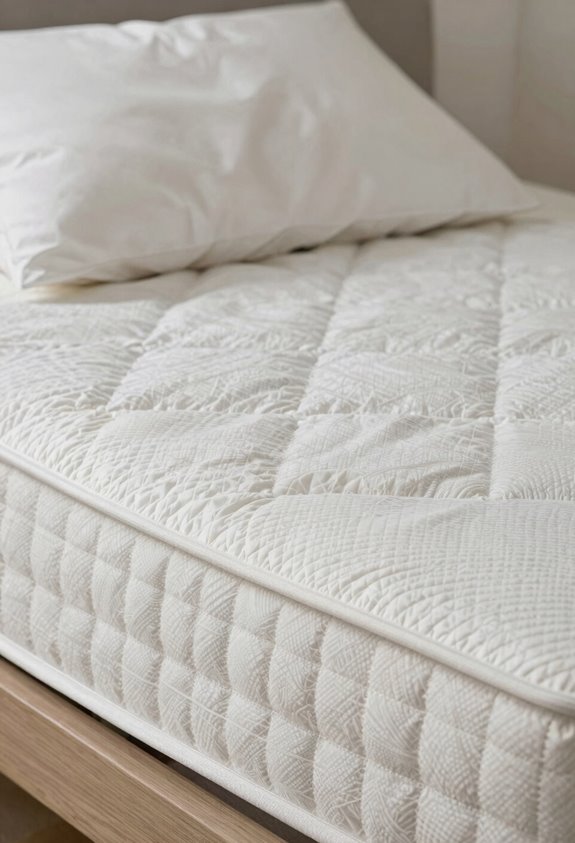
Why does your back feel terrible when you wake up? Morning pain indicates a failing mattress. When mattress wear happens, your body loses the support it needs. Sagging mattresses create permanent body impressions, robbing you of proper spinal alignment. You’ll notice waking up sore in your back, neck, or hips, which are classic signs of wear that require attention. This support loss means your body isn’t getting adequate rest.
Persistent morning discomfort isn’t normal, and you shouldn’t accept it. If your mattress shows visible sagging or body impressions, it’s time to replace it due to wear. A new mattress reduces soreness and helps you wake refreshed instead of aching.

Cloud-Like Comfort & Perfect Spinal Support – For Luxurious Deeper Sleep: Unlike 12 inch, our 14 inch full xl hybrid mattress adds 2 inches of comfort for a cloud-like feel, better pressure relief, and lasting sleep benefits. Engineered with a multi-layer construction, mattress full xl size combines a breathable Euro-top, memory foams, and a pocketed spring base. Muscle relaxation and spinal support for side, back, or combination sleepers – balancing comfort and Support for deeply restorative rest

Cloud-Like Comfort & Perfect Spinal Support — For Luxurious Deeper Sleep in Your RV: RV mattress short queen (60" x 75", 365-night trial, 10-year warranty). Unlike thin 8 inch, our 12 inch hybrid queen rv mattress adds extra 4 inches for a cloud-like feel, delivering the comfort of home wherever you rest. Engineered with multi-layer construction combining breathable Euro-top, memory foams, and pocketed spring base, this short queen mattress delivers muscle relaxation and spinal support for side, back, or combination sleepers. Wherever you go, you'll wake up restored — not stiff from a cramped RV bed

Deeper Luxury & Superior Support: Compared to 12 inch, Grbsy 14 Inch king hybrid mattress delivers deeper pressure relief and lasting sleep benefits. Comfort memory foam layers offer cloud-like contouring, while the pocketed spring base prevents sagging and ensures lasting support. King matress features innovative 7-zone ergonomic support, providing muscle relaxation and spinal support for side, back, or combination sleepers—balancing comfort and support for deep, restorative rest
Allergens and Odors: What Your Mattress Is Telling You
If you’ve noticed your allergies acting up at night or caught a musty smell wafting from your bed, your mattress needs attention. Dust mites settle into older mattresses, and when combined with sweat, oils, and moisture, they create an ideal breeding ground for allergens that can disrupt your sleep. That persistent odor or yellowing stain signals that contaminants have accumulated deep inside where regular cleaning cannot reach. Replacing your mattress is the appropriate next step.

STANDARD FULL SIZE CRIB & TODDLER BED MATTRESS - Designed to fit standard full-size cribs and toddler beds, this 52" x 28" x 5" mattress is made for a proper fit and firm support. Measure your crib before ordering, as this mattress does not fit mini cribs or playards.

TRADITIONAL SUPPORT, BETTER FOR THE PLANET – This reliably comfortable hybrid will provide even support night after night and arrives to you in a new smaller box that reduces its carbon footprint

ATTENTION: Please keep enough distance from the mattress as it may smack people when unpacking.【Pressure Relief & Motion Isolation】- Designed with the hybrid construction of individual pocket springs and CertiPUR-US certified foam, the Inofia 10 inch twin xl mattress offers sleepers right comfort and support. It supports body weight individually to a greater degree, reduces the risk of pressure point build-up, and reduces the feeling of rolling into your partner
Dust Mites and Allergen Buildup
Ever wonder what’s actually living in your mattress right now? Dust mites are accumulating in there. These tiny creatures and their feces build up over years, triggering allergies and asthma symptoms that disrupt your sleep. Your mattress hygiene directly impacts your health, and the following outlines what’s occurring:
| What Accumulates | Years Active | Health Impact |
|---|---|---|
| Dust mites | 5-10+ years | Allergies, asthma |
| Dead skin cells | Ongoing | Allergen buildup |
| Sweat and grime | Continuous | Odors, mold risk |
When humidity creeps in, mold develops as well. Mattress longevity provides no benefit if you’re sneezing all night. Even mattress protectors cannot eliminate everything from aged mattresses. If you’re experiencing persistent respiratory troubles despite cleaning, your mattress requires replacement. Quality sleep depends on a clean sleeping surface.
Persistent Odors Signal Replacement
Beyond the invisible dust mites and allergens we’ve just discussed, your mattress shows another telltale sign: stubborn odors that won’t go away, even after you’ve sprinkled baking soda and opened every window in your bedroom.
What’s happening is this: mold and mildew are thriving deep inside, alongside years of sweat, oil, and residue buildup. High humidity and poor ventilation make everything worse, signaling serious internal degradation. When deodorizing attempts fail, your mattress is harboring dangerous allergens and contaminants.
If you’re experiencing allergy symptoms that worsen at night, your mattress age is relevant. Stubborn smells point to deeper contamination that surface cleaning cannot address. Mattress replacement removes these health hazards and restores your sleep quality.
Material Breakdown: Why a 10-Year-Old Mattress Loses Support
Why does your once-comfortable mattress feel like it’s slowly collapsing beneath you. Material breakdown is the culprit. Over time, memory foam compresses and softens, latex degrades, and coils lose their tension. This natural deterioration causes sagging and body impressions that rob you of proper support. Your mattress’s durability depends on its construction. Higher-density memory foam lasts longer than cheaper alternatives, but eventually all materials weaken. Around year 10, you’ll notice your mattress can’t bounce back like it used to. The support loss accelerates with heavier body weight and sleeping in the same spot constantly. You can extend your mattress’s lifespan by rotating it every three to six months and using a solid foundation. When the worn-out feel becomes noticeable, replacement is necessary.

Dry Cleaning Mousse Foam Pump foam onto stains, let it sit, then wipe. No water rinse needed.

Cleans without water, shampoo or steam.

Very easy to use and easy to store
What Makes Your Mattress Last Longer (or Wear Out Faster)
Your mattress’s lifespan depends on three major factors: the quality of materials and how they’re built, how heavily you use your bed and what your body type is, and how well you take care of it with regular maintenance and smart environmental choices. Each of these plays a significant role in whether you get five years or ten-plus years out of your investment. The difference between a mattress that fails early and one that remains comfortable night after night comes down to these specific elements.
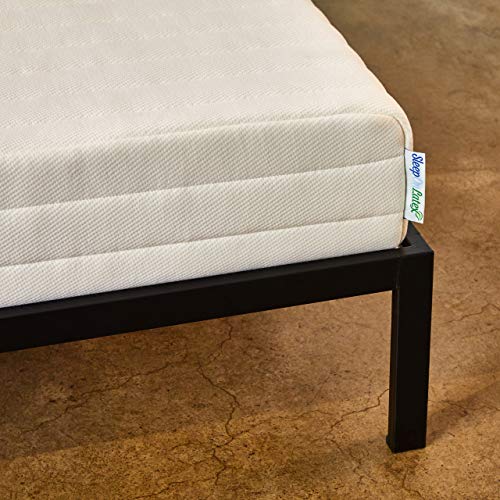
Medium Firmness - Great for Side Sleepers, Back Sleepers and Couples

Extra Firm Feel: Ideal for stomach and back sleepers, this queen size mattress offers extra support for heavier sleepers; This latex hybrid mattress is not compressed into a smaller box and is Assembled in the USA
Medium Firmness - Great for Side Sleepers, Back Sleepers and Couples
Material Quality and Construction
The materials and construction methods used in your mattress are the primary factors in determining how long it will last. The difference is significant: a mattress with poor construction may fail after five years, while one built with quality materials and methods will support you for over a decade.
| Mattress Type | Typical Lifespan |
|---|---|
| Latex | 8–12+ years |
| Hybrid | 6–10 years |
| Memory foam | 7–10 years |
| Innerspring | 5–8 years |
Higher-density memory foam and natural latex offer superior durability, while innerspring coils depend on their gauge and count. Quality construction provides better support that maintains its effectiveness over time. Proper care through regular rotation, protective covers, and ventilation will extend your mattress lifespan and preserve its comfort and support.
Usage Patterns and Body Weight
How you sleep matters just as much as what you sleep on. Your sleep position and body weight dramatically shape your mattress’s lifespan. Heavier sleepers experience faster material compression, shortening usable years significantly. Side sleepers often notice earlier sagging at shoulders and hips, while back sleepers typically enjoy more even wear across the surface. Sleeping in the same spot creates uneven compression and contour loss. When you factor in your use patterns, whether pets jump on it, kids play on it, or you work from bed, you’re accelerating wear considerably. Motion transfer intensifies this effect. Light bedroom use extends longevity, but frequent use speeds deterioration. Real-world wear and sagging depend entirely on these personal factors, not just inherent material quality.
Maintenance and Environmental Care
Want to know the secret to keeping your mattress in remarkable shape for years? Smart maintenance and environmental care make the difference in your mattress’s durability and lifespan.
Here’s what protects your investment:
- Rotate every 3–6 months to distribute wear evenly and extend overall longevity
- Use a mattress protector that blocks spills, dust mites, and allergens for superior hygiene
- Ensure proper foundation support to prevent sagging and premature deterioration
- Keep moisture low through regular ventilation to protect memory foam and internal components from breakdown
Quality materials like high-density memory foam last 8–10 years with diligent care. Consistent mattress care isn’t complicated. It simply requires respecting what you sleep on every single night.
Can Mattress Pads and Toppers Extend Your Mattress Life?
| Feature | Pads | Toppers |
|---|---|---|
| Thickness | ½–1 inch | 2–4 inches |
| Comfort boost | Mild | Significant |
| Dust mite barrier | Yes | Yes |
| Cost | $50–150 | $200–500 |
| Lifespan extension | No | No |
When visible signs like sagging appear, rotation and pads cannot save your mattress. Replacement becomes necessary at this point.

Reinforce Weak Frames or Replace Your Box Spring - Use SlatSure as a box spring alternative or reinforcement layer on top of wood slats, metal bars, or an existing frame.

CERTIPUR US CERTIFIED - Highest quality foam is CertiPUR US Certified for durability, performance, and content

Memory Foam Pad: Constructed from 1-inch blue memory foam bonded to a 4-inch foam support layer, this pad combines high-quality materials to deliver enhanced performance. The memory foam exhibits slow rebound and gradual pressure release characteristics, providing effective cushioning and optimal load distribution for upholstered applications
Life Changes That Demand a New Mattress
Sometimes your mattress worked perfectly for years, but then your life shifts and suddenly it doesn’t anymore. Major life changes can absolutely demand a new mattress, and recognizing when that moment arrives is essential.
Consider these pivotal moments:
- Pregnancy or significant weight changes alter how your body needs support and pressure relief
- A new sleeping partner means different sleep duration needs and mattress firmness requirements
- Persistent pain or sagging signals mattress aging that toppers can’t fix
- Worsening allergies despite cleaning indicate your mattress no longer provides the healthy sleep environment you need
When life changes coincide with wear-related issues, your mattress simply can’t deliver the support your body needs anymore. Upgrading becomes genuinely wise rather than just convenient at that point.
Cloud-Like Comfort & Perfect Spinal Support – For Luxurious Deeper Sleep: Unlike 12 inch, our 14 inch queen hybrid mattress adds 2 inches of comfort for a cloud-like feel, better pressure relief, and lasting sleep benefits. Engineered with a multi-layer construction, mattress queen size combines a breathable Euro-top, memory foams, and a pocketed spring base. Muscle relaxation and spinal support for side, back, or combination sleepers – balancing comfort and Support for deeply restorative rest

HYBRID COMFORT – Combines memory foam and innerspring coils for contouring support and lasting comfort, ideal for any sleep position

Precision Zoned Support - Featuring a 7-zone support system, this full mattress provides targeted comfort for key areas, including shoulders, lower back and hips. The ergonomic design helps relieve pressure points and promotes proper spinal alignment
Sagging or Breaking In? Know the Difference
Now that you’ve considered whether life changes demand a new mattress, let’s talk about something equally important: figuring out if your mattress is actually worn out or just needs time to settle.
Temporary indentations disappear after you get up, but lasting sag doesn’t. Test this yourself by lying down, then standing up and checking if impressions remain. Remaining indentations signal mattress degradation.
Real visible sagging shows springs that don’t recover quickly, unlike a healthy mattress that bounces back instantly. Look for depressions several inches deep or lumps pushing against your body. These aren’t normal breaking-in signs; they’re indicators that replacement is needed.
Addressing true wear prevents discomfort and potential sleep disruption caused by an unstable sleep surface.

STANDARD FULL SIZE CRIB & TODDLER BED MATTRESS - Designed to fit standard full-size cribs and toddler beds, this 52" x 28" x 5" mattress is made for a proper fit and firm support. Measure your crib before ordering, as this mattress does not fit mini cribs or playards.

STANDARD FULL SIZE CRIB & TODDLER BED MATTRESS - Designed to fit standard full-size cribs and toddler beds, this 52" x 28" x 5" mattress is made for a proper fit and firm support. Measure your crib before ordering, as this mattress does not fit mini cribs or playards.
!Note: Be cautious and keep enough distance when opening the mattress from the plastic, as it may smack people. ● Body Conforming & Pressure Reliving--The 7 zoned individual encased coils are positioned at the core of the mattress. On top, multi-layers of CertiPUR-US certified comfort foam are laid in place. This coil hybrid mattress has a certain amount of spring while also conforming to the body for targeted pressure relief, offering a balanced sleep experience for many individuals
Daily Habits That Prevent Premature Wear
What’s the secret to keeping your mattress comfortable for years longer? It’s all about your daily habits. Consistent mattress care makes a difference in how long your bed stays supportive and fresh.
Here’s what I do to protect my investment:
- Rotate every 3–6 months to distribute mattress wear evenly across the surface
- Use a mattress protector to block spills, dust mites, and allergens that damage fibers
- Ensure proper foundation support with a sturdy frame preventing premature sagging
- Avoid moisture buildup by keeping your bedroom well-ventilated and dry
These simple rotation and foundation support habits extend your mattress’s life by years. Your body deserves the comfort you’ve invested in, so practice these straightforward mattress care routines. You’ll notice the difference.

Deep Cleaning Mattress Stain Remover For Bed: Gentle Mattress Cleaner and Stain Remover Spray, designed as a mattress cleaner and stain remover that helps extend the life of your mattress, bedding, and carpets

POWERFUL FORMULA: Professional-grade mattress cleaning agent with neutral, non-irritating formula that effectively removes stubborn stains and spots while being gentle on fabrics
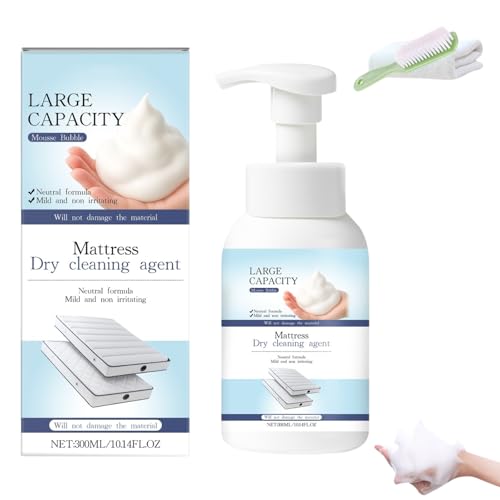
Powerful Mattress Stain Remover for Bed & Carpets – Safely lift tough stains, including sweat, spills, and urine, without harsh chemicals. Our gentle yet effective formula works as a yellow stain remover, restoring freshness to mattresses, upholstery, and rugs
Latex vs. Hybrid: Which Mattresses Actually Last 15 Years?
You’ve got your rotation schedule down and your mattress protector in place. Now let’s talk about which mattresses actually deliver that impressive 15-year lifespan you’re after.
Natural latex mattresses are your champions here, typically lasting 8–12+ years with exceptional durability. Hybrid mattresses can match this performance too, enduring 6–10 years when you choose quality construction and trusted brands.
The real secret? High-quality materials make all the difference. Premium latex and well-made hybrids consistently reach that coveted 15-year mark, while budget options tend to disappoint sooner. Investing in superior durability means fewer replacements and better sleep for years. You’re not just buying a mattress; you’re making a smart, long-term choice for your rest and comfort.