
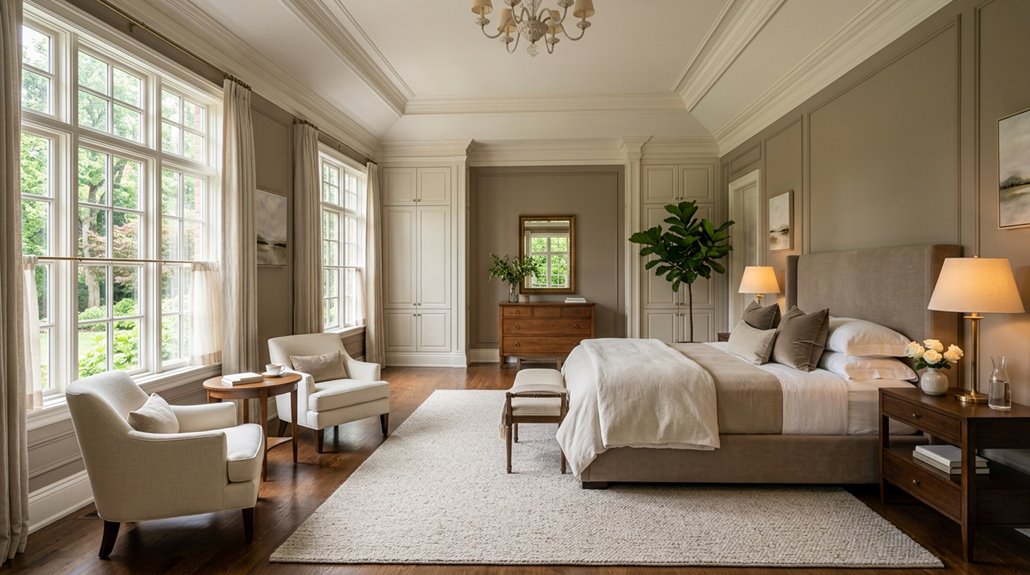
I’d say 14 by 16 feet, about 224 square feet, is your sweet spot. This size gives you comfortable space for a king bed with a solid 30 inches of clearance on three sides, plus room for dressers and easy movement without feeling cramped.
It’s roughly 11–13% of your home’s finished floor space, which keeps resale value strong. Smaller homes work with 200–250 square feet, while larger ones can stretch to 400–600 square feet.
To nail your exact dimensions and avoid costly mistakes, measure your space carefully against these benchmarks.
What Qualifies as a “Good” Master Bedroom Size?
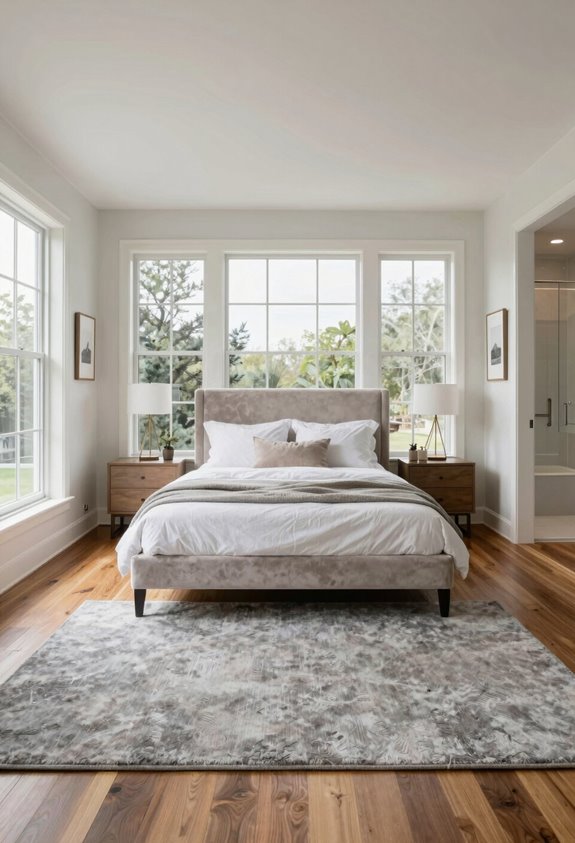
How much space do you really need for the perfect master bedroom? A comfortable default is around 14 by 16 feet, giving you about 224 square feet of personal space. This master bedroom size accommodates a king bed beautifully, plus extra furniture for that cozy retreat feeling. You’ll want at least 30 inches of clearance around three sides of your bed so you can move freely and access everything easily.
The minimum practical size sits around 12 by 12 feet if you’re working with limited space. However, your master bedroom size should ideally occupy roughly 11–13% of your overall floor space. In luxury homes, you’re looking at 350–600+ square feet, offering exceptional flexibility. The key is choosing what works for your lifestyle and home.
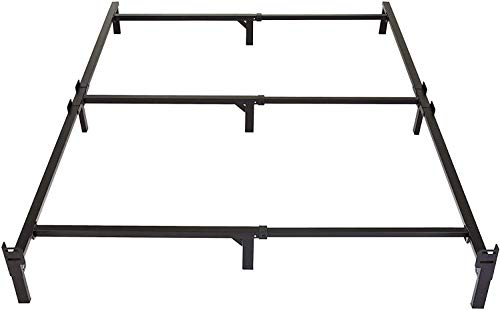
King-size bed frame provides support for your box spring and mattress

Luxurious & Durable: Made from 100% premium microfiber, this three-sided ruffle bed skirt adds a soft, elegant touch to your bedroom. Not only does it enhance the look of your bed, but it also helps protect against dust while concealing items underneath.
Why the 14×16 Benchmark Works for Most Homes
Why the 14×16 Measurement Shows Up in So Many Home Plans
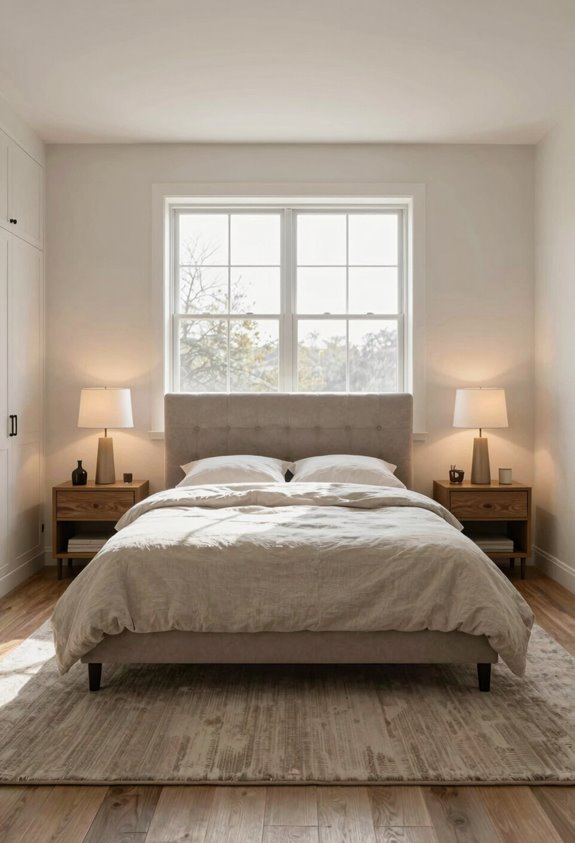
The 14×16 measurement appears frequently in home plans because it delivers practical benefits for most families. This furniture layout provides roughly 224 square feet, the optimal size that functions well for residential needs. You can fit a king bed comfortably, plus dressers and nightstands with excellent movement space around them. The circulation is efficient; you avoid squeezing through tight spaces or navigating awkwardly.
Industry experts recommend master bedroom size should occupy about 11.3% of your finished floor space, and 14×16 achieves that balance precisely. You avoid wasting precious square footage while gaining real flexibility. A cozy reading nook fits easily. You can accommodate better bathroom access or built-in storage. This benchmark works because it matches how families actually live while keeping the whole home proportional and efficient.

Size : Curtain valance measures 12" H x 42" W with 1" header and 3" rod pocket for Hanging.

Casual natural fiber style is versatile enough to integrate with any contemporary, modern, bohemian, and transitional styles of home décor

[SUBSTANTIAL & ROBUST]: Up to 5x more material by weight than comparable rugs, offering enhanced durability and comfort; The added weight means more material, improving its ability to withstand everyday wear
Right-Size Your Master by Home Square Footage
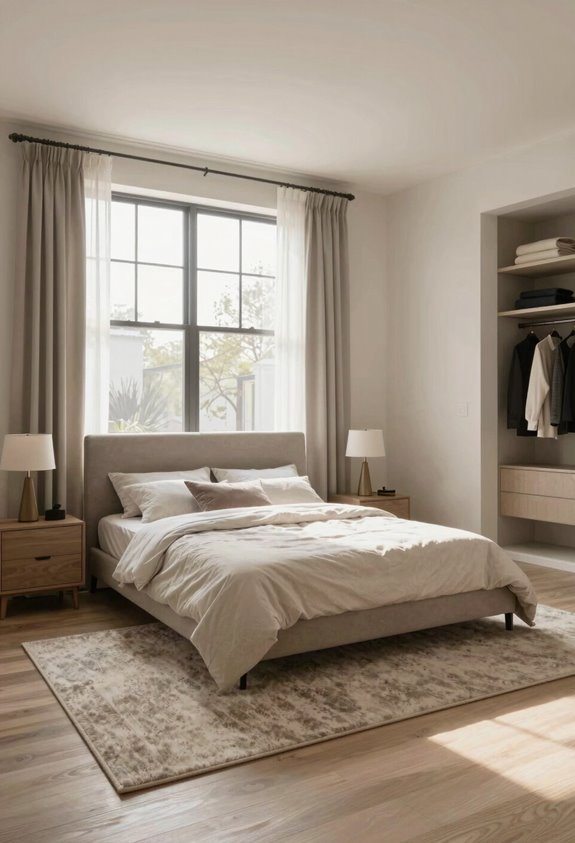
The 14×16 benchmark gives you a solid starting point, but your ideal master bedroom size really depends on your home’s total square footage. Using the percentage method works well for right-sizing your space. Industry benchmarks suggest aiming for about 11.3% of your finished floor space for a standard master, though custom plans often push toward 12.6%, which provides optimal comfort.
Here’s how to think about it:
- Smaller homes (under 2,000 sq ft): Target 200–250 sq ft for your standard master with king bed and essential furniture layout
- Mid-size homes (2,000–3,500 sq ft): Aim for 250–350 sq ft, giving you great space planning flexibility
- Luxury properties (3,500+ sq ft): Consider 400–600+ sq ft for that expansive, resort-like feeling
This approach ensures your master bedroom feels proportional to your home’s overall design without overwhelming the space.

【9 STURDY WOOD DRAWERS - NO MORE FLIMSY FABRIC】 Stop settling for sagging fabric bins that lose shape after a month. Our premium closet system features 9 heavy-duty engineered wood drawers, providing a solid, furniture-grade storage solution for your jewelry, watches, socks, and seasonal privacy items. Designed with a high weight capacity and smooth operation, these drawers protect your delicate items from dust and sagging, offering a permanent, "built-in" custom look for your walk-in closet that fabric alternatives simply can't match.

【Spacious Storage Space】This 59" l shaped desk features a grid pegboard with 1 hook and 3 clips, dual top display shelves, and 4 large fabric drawers, providing ample space for monitors, accessories, and personal items. Keep your gaming and working area organized and efficient

【 Closet System of 2 Sets】Fastgo closet system with 6 drawers, 8 shelves and 8 hanging rods is designed to maximize storage capacity while maintaining elegance. It turns cluttered spaces into an orderly, stylish walk-in closet with enhanced functionality and style. It fits closet spaces from 5ft to 15ft wide. Each hanging rod can be customized to match your exact layout, offering a smart, flexible storage solution that keeps every outfit and accessory in its proper place.
Plan Bed Placement and Circulation Space
How you position your bed significantly affects how your master bedroom functions. Consider your bed’s dimensions (queen beds are 60 by 80 inches, while kings stretch to 76 by 80 inches) alongside a 30-inch clearance zone on three sides. This combination determines whether you can move comfortably through your space. Planning these practical details before purchasing furniture prevents a bedroom that feels cramped or cluttered.
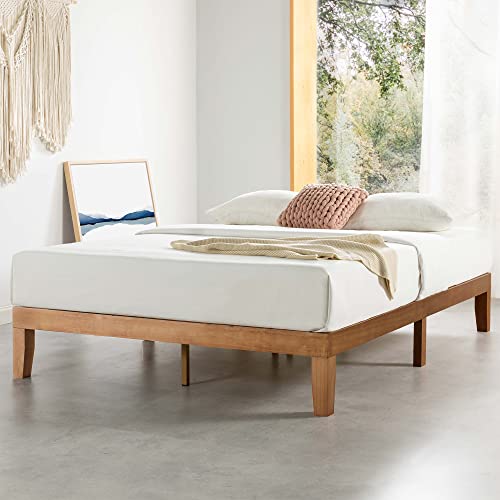
King Wood Platform Bed Frame with Wooden Slat Mattress Foundation

【Minimalistic Modern Design with Ample Under-Bed Storage】: The clean lines and minimalist design of the bed frame contribute to a modern aesthetic, ideal for various bedroom styles. And it provides enough space for storage under the platform bed, optimizing space utilization.

【Timeless Design】This solid wood bed frame showcases an elegantly 55" high arched crown headboard with refined panel grooves and four turned chamfered posts. The timeless silhouette and sculpted accents exude a vintage charm to any bedroom
Bed Dimensions and Spacing
How much room do you actually need around your bed to move comfortably? Bed dimensions and clearance around your bed significantly affect master bedroom size and circulation space.
- Queen beds measure 60 inches wide by 80 inches long, requiring 30 inches of clearance on three sides for easy movement
- King beds stretch 76 inches wide by 80 inches long, demanding more master bedroom space to maintain comfortable flow
- Positioning your bed against the longer wall maximizes surrounding circulation space and keeps your room feeling open
Understanding these bed dimensions helps you design a bedroom that functions well, whether you’re planning a 12×12 space or a luxurious master bedroom with a walk-in closet and ensuite. You’ll move freely and create the sanctuary you need.
Furniture Flow and Movement
Once you’ve decided where your bed’s going, you need to think about everything else that needs to fit around it. Smart furniture placement transforms your master bedroom from cramped to genuinely comfortable. Plan at least 30 inches of clearance around three sides of your bed for easy movement. Position your bed against the longer wall to maximize circulation space throughout the room. Create a scaled drawing before purchasing anything so you can visualize your bedroom layout and walking space without guessing. For larger rooms, consider room zoning by separating your sleeping area from a relaxation zone. This strategic bed orientation and furniture placement ensures you can move through your space efficiently rather than navigate around obstacles.
Master Bedroom Dimensions by Home Type and Budget
What makes the perfect master bedroom size for your home? Your budget and home type shape what works best. Here’s what the data shows:
- Smaller homes typically feature 200 sq ft masters (like the Independence at 12′ x 15′), offering cozy, efficient spaces
- Mid-range homes hit that sweet 248 sq ft benchmark (the Adams measures 14′ 1″ x 17′ 7″), balancing comfort with practicality
- Luxury homes exceed 350 sq ft, accommodating en-suites and walk-in closets with premium finishes
Industry statistics show masters average 11.3% of finished floor space, though custom plans push toward 12.6%. Your dimensions depend on whether you’re building modestly or investing in premium features. Larger homes justify bigger masters because they support amenities like spa-quality bathrooms and expansive closet systems.

Size : Curtain valance measures 12" H x 42" W with 1" header and 3" rod pocket for Hanging. Perfect for home Christmas decoration.

Fluffing Instructions: Upon unpackaging, vigorously shake or pat the pillow for up to 5 minutes to restore its fluffiness. Subsequently, place it in the dryer with or without dryer balls on low heat for 20-30 minutes. Allow 24-48 hours for the pillow to fully regain its fluffiness.

The high-quality synthetic pile fiber adds durability and longevity to these rugs
Make Small Masters Feel Bigger: Design Tricks
I’ve discovered that you don’t need a sprawling master to feel like you’re living in a palace, because smart ceiling choices and furniture placement work magic. When I raise the visual height with tray ceilings or architectural details, suddenly my smaller bedroom feels genuinely spacious. I then lock in that expansive vibe by positioning my bed strategically against the longer wall with at least 30 inches of breathing room on three sides. These two moves transform even a cozy 12×14 bedroom into a room that feels significantly larger than it actually is.

【Simple and Unique Style】The perfect combination of purity and elegance. Black color not only makes the space look more ordered, but also matches perfectly with various furniture styles. Unique arched door design with gold handle embellishment adds a touch of luxury to the simple Black colour

【Integrated Storage Bookcase Headboard】The headboard comes with layered open storage shelves that work as a built-in bookcase. You can arrange reading materials, eyewear and daily bedside items within reach. The integrated structure reduces the need for extra side tables and keeps your resting area neatly arranged.
【Integrated Storage Bookcase Headboard】The headboard comes with layered open storage shelves that work as a built-in bookcase. You can arrange reading materials, eyewear and daily bedside items within reach. The integrated structure reduces the need for extra side tables and keeps your resting area neatly arranged.
Ceiling Height and Architecture
How much difference can a few extra feet make in your master bedroom? Raising your ceiling from 8 feet to 9–10 feet transforms the entire room. Architectural details like tray ceilings aren’t just pretty; they actually expand perceived volume without adding square footage.
What makes this work:
- Vertical space draws your eyes upward, creating instant depth and reflections that make your brain perceive the room as roomier
- 9–10 ft ceilings in larger suites eliminate that cramped sensation, giving you genuine breathing room
- Natural light floods down from higher walls, making everything feel open and welcoming
These ceiling modifications work because they fundamentally change how you experience the space. Your brain interprets higher ceilings as larger rooms, which directly affects comfort and relaxation.
Strategic Furniture Placement
Once you’ve arranged your high ceilings, position your furniture strategically. Where you place your bed and other pieces significantly affects how spacious your master feels. Position your bed against the longer wall to open up your bedroom layout. Ensure at least 30 inches of clearance space on three sides so you can move freely without feeling cramped. Consider creating a multi-zone master by adding a cozy reading nook or sitting area, which enhances perceived spaciousness while maximizing functionality. Built-in storage solutions minimize clutter and free precious floor space. Natural light is transformative. Thoughtful furniture arrangement combined with these elements converts even modest masters into sanctuaries that feel spacious and welcoming.
Add Square Footage for Storage, Ensuites, and Sitting Areas
Why settle for a basic bedroom when you can create a luxurious retreat that’s truly yours. When you’re planning your master bedroom square footage, think beyond just the bed. You’ll want to include dedicated zones that make your space feel complete and functional.
Plan your master bedroom beyond the bed—create dedicated zones that make your space both luxurious and functional.
Consider adding these elements to your footprint:
- Walk-in closets (60–150 square feet) that give you room to organize and move freely
- Ensuite bathrooms (80–120 square feet) for ultimate convenience and privacy
- Sitting areas (80–200 square feet) where you can relax and unwind
Don’t forget about clearance either. Aim for at least 30 inches around three sides of your bed so movement feels natural, not cramped. Built-in storage solutions help maximize space without expanding your room’s footprint. You’re creating a sanctuary that functions efficiently and meets your daily needs.

HEAVY DUTY AND DURABLE: King metal bed frame have a strong frame and a sturdy steel salts structure, seamless welding, no noise, prevent scratching and creaking, and with anti-scratch gaskets to protect your floor

Upholstered Headboard: This upholstered King bed frame with elegant diamond tufting, linen inspired fabric finish, provide good support for the back when you are reading or watching TV. The PU-leather headboard is classic and easy to clean

Quality Advantage: King bed frame made of high-quality metal and wood; heavy-duty support feet with plastic plugs to care for your floor; super sturdy and durable, supports up to 800 pounds
Does Your Region or Lifestyle Change Master Size?
Your ideal master bedroom size really does depend on where you live and how you actually live. Regional variation matters tremendously. UK homes typically feature 150–250 sq ft master bedrooms, while Australian homes range from 200–300 sq ft, and Asian homes often stay between 100–200 sq ft. Your lifestyle influence shapes these choices too. Warm climates favor larger windows and airy layouts, whereas urban regions encourage compact, efficient square footage. Proportion guidelines suggest your master bedroom should claim roughly 11–13% of your total finished floor space. Whether you’re in a bustling city or peaceful suburb, comfort and flow remain essential. Understanding typical dimensions and regional ranges helps you create a master bedroom that genuinely fits your life, not just your home’s footprint.
Size : Short curtain valance measures 12" H x 42" W with 1" header and 3" rod pocket for Hanging. Perfect as a fun decoration for home. Suitable for any decoration style.

[DURABLE QUALITY HANDMADE CONSTRUCTION]: Hand-tufted by skilled artisans for a truly unique textured look and feel

Size : Curtain valance measures 12" H x 42" W with 1" header and 3" rod pocket for Hanging.
Common Sizing Mistakes That Waste Space or Limit Comfort
How many of us actually measure twice before placing that gorgeous king bed in our master bedroom? Master bedroom size mistakes can derail comfort and function. Here’s what matters for layout efficiency:
Master bedroom sizing mistakes compromise comfort and function—measure twice before committing to your layout.
- Ignoring space around bed and door swing – A king bed in a 12×12 room blocks airflow and restricts movement
- Skipping lighting and outlets planning – Awkward furniture placement and tangled cords create problems when you don’t plan ahead
- Underestimating furniture scale and circulation space – Even spacious rooms feel cluttered without proper clearance and storage optimization
Measuring clearance, considering furniture scale early, and optimizing storage before committing to your bedroom layout will prevent costly mistakes and ensure your space functions as intended.

【Integrated Storage Bookcase Headboard】The headboard comes with layered open storage shelves that work as a built-in bookcase. You can arrange reading materials, eyewear and daily bedside items within reach. The integrated structure reduces the need for extra side tables and keeps your resting area neatly arranged.

Aheaplus Closet System, 8FT Closet Organizer with 4 Wooden Drawers, Wood Closet Organizer System with Tower, Walk-in Closet Organizer Wardrobe Garment Clothes Rack with 4 Hanging Rods, White Oak

STURDY SUPPORT: Heavy-duty powder-coated steel construction prevents squeaking and sag, providing quiet and stable mattress foundation for restful sleep every night.
How Master Bedroom Size Affects Resale Value
Your master bedroom’s dimensions directly impact what buyers will pay for your home. A well-proportioned master, such as 14′×16′ at around 224 square feet, strikes that perfect balance between luxury and practicality, especially when it includes a walk-in closet and en-suite bathroom that today’s buyers expect.
If you’ve gone overboard with a massive master at the expense of your living room or kitchen, you’re actually hurting your resale value. The key is to nail the right proportions for your region and budget.

Dual-layer reinforced steel bed frame supports up to 3500 lbs without wobbling or sagging. Built for adults, couples, families, and heavy sleepers who need lasting stability....
Market Appeal and Proportionality
When selling your home, the size of your master bedroom significantly affects buyer perception. Master bedrooms that represent 11–13% of your finished floor space tend to appeal most strongly to purchasers. This works because:
- Proportional sizing creates balance: A master suite that matches your home’s overall size feels intentional and well-planned, allowing the space to flow naturally.
- Circulation space affects comfort: Buyers prefer at least 30 inches around three sides of the bed. This clearance distinguishes between cramped and comfortable layouts.
- Walk-in closets increase appeal: Adequate storage transforms a master bedroom from standard to desirable, with buyers consistently valuing this feature.
This proportional approach builds market appeal that directly strengthens resale value.
Budget Impact on Property Value
Does your master bedroom size align with your home’s overall value, or work against it? The sweet spot matters tremendously. Your master suite should represent about 11.3% of your finished floor space. This balance keeps your property value competitive. When you invest in a 400–600 sq ft master bedroom with an en-suite and walk-in closet, you’re creating genuine appeal that buyers love. Those extra storage solutions and thoughtful design features provide measurable value.
However, oversizing your master at the expense of other rooms actually hurts resale value. Buyers want functional secondary spaces too. The optimal approach is a master bedroom size that feels luxurious yet proportional, maximizing both aesthetic appeal and property value for your entire home.
Regional Resale Expectations
Master bedroom sizing isn’t one-size-fits-all across the globe, and that’s where your resale strategy becomes critical. Regional resale expectations dramatically shape what buyers consider ideal. In the UK, you’re looking at 150–250 sq ft as the sweet spot, while Australian buyers expect 200–300 sq ft.
What makes your master suite size matter:
- A master bedroom representing about 11.3% of your finished floor space meets national averages and buyer expectations
- An attached bathroom paired with a walk-in closet (totaling 250–400 sq ft) significantly boosts resale appeal and perceived quality
- Oversized bedrooms that steal from living areas actually deter buyers by cramping functional flow
Understanding your regional market determines the perfect master bedroom size for maximum resale value.
Test Your Master Dimensions Before You Build
How can you know if your dream master bedroom will actually feel right once you’re living in it? Create a scaled floor plan or use a room layout app before breaking ground. This simple step transforms your master bedroom dimensions from numbers on paper into something tangible you can visualize.
Map out your bed clearance. You’ll want at least 30 inches of walking space around three sides for comfortable movement. Then experiment with furniture placement using your scale drawing. Does everything fit naturally? Does the room have adequate space and flow?
Testing your layout this way prevents costly regrets. You get to see how your master bedroom size will function daily before construction begins. This step protects your investment and ensures the space meets your practical needs.