
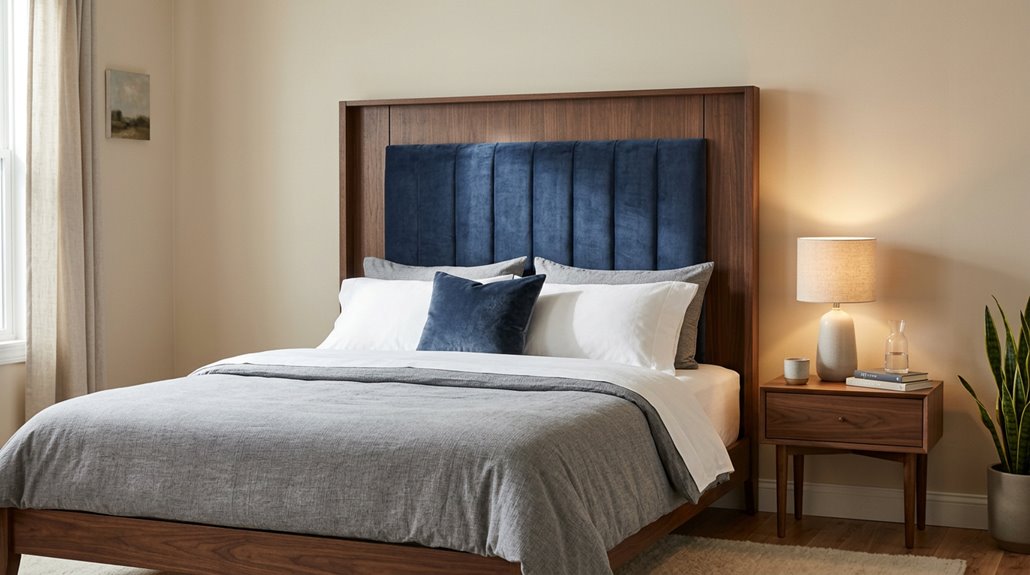
I’ve got the perfect formula for you. Standard headboard heights match your bed size: twin beds need about 14 inches, queens sit around 28 inches, and kings reach approximately 58 inches. Your ceiling height matters just as much. For 8-foot ceilings, aim for 48–60 inches; higher ceilings welcome dramatic 60–72 inch styles. Your headboard shouldn’t exceed three-quarters of your wall height, keeping everything balanced and visually proportionate. Discover exactly how to measure your space for optimal results.
Standard Headboard Heights by Bed Size
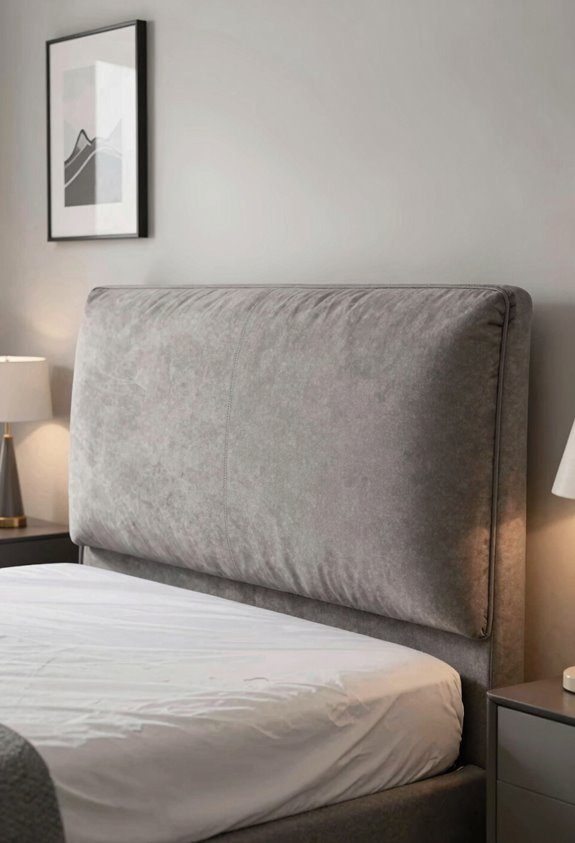
When shopping for a headboard, size is an important consideration. Your headboard height needs to match your bed size perfectly. Twin headboards typically sit about 14 inches above the mattress, creating a cozy feel for smaller spaces. Full and queen headboards reach around 28 inches, offering visual proportion for master bedrooms. King and California king headboards reach approximately 58 inches, making a striking statement. For total headboard dimensions, I’d recommend 28–36 inches for twin beds, 110–150 cm for queen setups, and 150 cm and above for king beds. Your headboard should extend above your pillows while maintaining balanced visual proportion. Proper headboard dimensions create cohesive room design.

👍【Sturdy And Stable Bed Risers】 Our table risers are made of high quality thickened PP plastic, which is strong enough to support any heavy furniture for home or office. The internal mesh reinforcement design greatly increases its load-bearing capacity. Top bumps and rubber bottom of the desk risers can firmly grip the furniture legs, shock absorbing and anti-slip to avoid furniture sliding, protect the floor from friction and reduce noise. BEST FOR STATIONARY ITEMS AND SMOOTH FLOORS.

【Unpack & Wait 72 Hours for Full Shape】This bed headboard is compressed for shipping. Please allow 72h for foam to fully expand for best comfort and durability.
Not eligible for free returns; please see our return policy
Short vs. Tall Headboards: Which Fits Your Space?
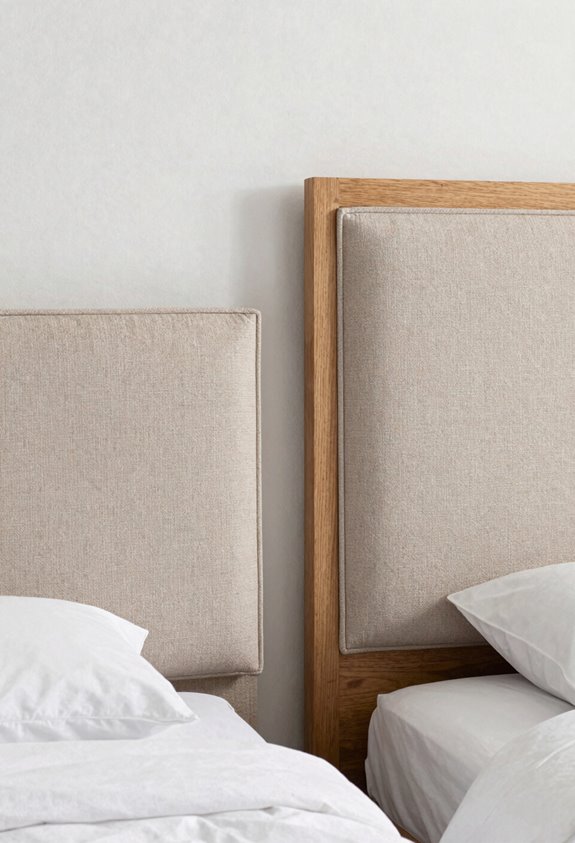
Short vs. Tall Headboards: Which Fits Your Space?
Now that you’ve got the standard heights down for your bed size, consider whether a short or tall headboard works best in your specific room.
Here’s what to evaluate:
- Short headboards (14–24 inches) save precious wall space in small rooms and make everything feel bigger
- Tall headboards (48–72+ inches) create dramatic focal points in spacious bedrooms
- Ceiling height matters significantly. 8-foot ceilings feel cramped with headboards over 50 inches, while 9-foot+ ceilings handle taller dimensions well
- Twin size beds typically pair well with shorter styles since they’re already compact
- Room proportions determine your headboard height; match tall ceilings with tall headboards for balanced proportions
Evaluate your space carefully, and you’ll select the right headboard height.

No assembly required: Unpack the item and allow 72h for the queen headboard to fully restore its shape. Includes 2 metal frames compatible with various mattresses and bed frames

Extra Large Headboard: 49.2 inches tall upholstered headboard with nailhead trim wingback, brings a grand atmospheric to the bedroom.
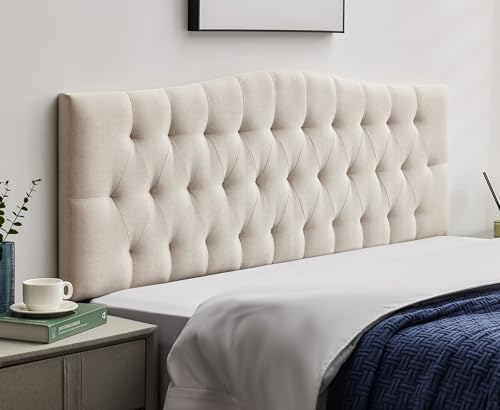
Packaging Tips: Each box contains a queen headboard, two legs, and a screw set. All components are safely stored in a compartment on the back of the queen headboard only
Account for Ceiling Height
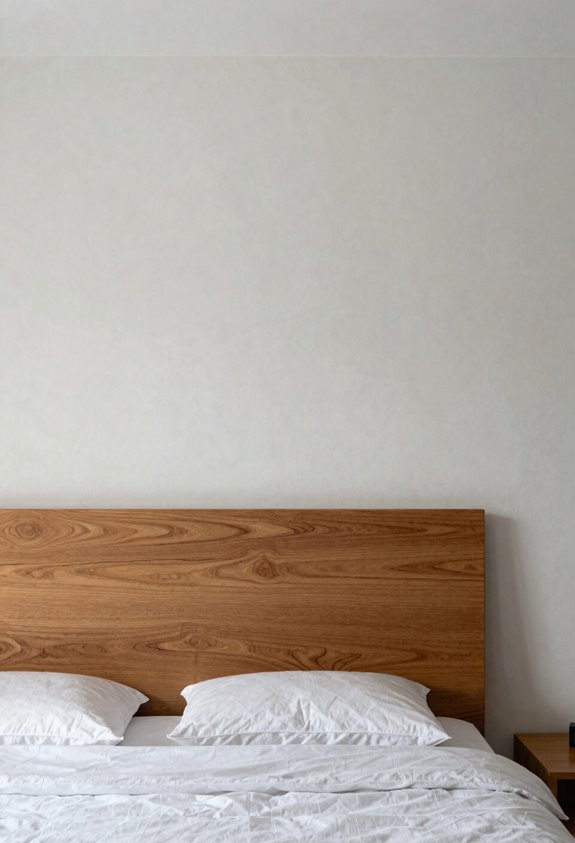
Your ceiling height is one of the most important factors when picking your headboard size, because it directly shapes how balanced your whole bedroom will feel. For 8-foot ceilings, aim for headboards around 48–60 inches tall to keep things proportionate and avoid that cramped sensation. If you have 9-foot or higher ceilings, you can go bigger, thinking 60–72 inches, and create a stunning focal point without overwhelming the room. Keep your headboard height under three-quarters of your wall height for perfect visual balance. Low ceilings need restraint, while high ceilings welcome drama. Matching your headboard dimensions to your room height ensures everything feels intentional and harmonious, creating a well-designed space.

Silver Metal Plating:Mirrored chrome metal trim highlights the headboard and wingback design. Paired with rectangular plated legs, this king size bed frame adds a polished modern touch to your bedroom.

58" Extra Tall Upholstered Headboard: Designed with a 58-inch tall upholstered headboard, this bed instantly becomes the focal point of the room. Visibly taller than 60% of bed frames, it creates a strong, balanced presence that feels substantial and refined—perfect for master bedrooms or anyone who wants a bold, elevated look without overpowering the space.

Silver Metal Plating:Mirrored chrome metal trim highlights the headboard and wingback design. Paired with rectangular plated legs, this king size bed frame adds a polished modern touch to your bedroom.
Scale Headboard Height to Wall Proportions
Once you’ve figured out what your ceiling height allows, it’s time to think about your actual wall space. A headboard that’s perfectly sized for one room might feel totally off in another. Here’s how to scale your headboard to match your walls:
- Follow the golden proportion rule: your headboard shouldn’t exceed three-quarters of your wall height
- Match headboard height to your bed size: twin beds need shorter 14-inch headboards, while King beds work well with 58-inch options
- Consider room size honestly; smaller rooms demand restraint, while larger spaces welcome taller statements
- Create visual balance by ensuring proportions feel harmonious, not cramped or floating
- Test different heights mentally before buying, imagining how they’ll anchor your bedroom’s overall aesthetic
Proper scaling ensures your headboard enhances rather than dominates your bedroom.

ELEGANT WINGBACK HEADBOARD: Upgrade your bedroom with this upholstered queen headboard featuring a timeless wingback silhouette, hand-tufted button detailing, and nailhead trim for a sophisticated modern and classic look.

Farmhouse Victorian Style : The simple clean lines and elegant curves on this vintage rustic headboard can be well matched with a variety of decoration styles, and this headboard set will give your bedroom an instant upgrade in style and comfort

This headboard boasts a distinctive sleek angled profile crafted from premium solid wood panels, creating a modern visual focal point in any bedroom. The carefully engineered angles add geometric appeal and contemporary flair, transforming your space into a stylish retreat while showcasing the natural beauty of the wood.
How to Measure Before You Buy
Before you buy, measure two essential dimensions for a properly fitting headboard. First, measure straight up from your mattress top to where you want the headboard to visually end. This measurement ensures balanced proportions. Next, check your wall height and ceiling clearance. A headboard that extends too high in a low-ceiling room will appear disproportionate. Reference the proportions discussed earlier to guide your selection.

Packaging Tip: Each package includes one headboard queen size, two legs, an instruction manual, and a hardware kit. All parts are neatly stored in the compartment on the back of the headboard for easy access
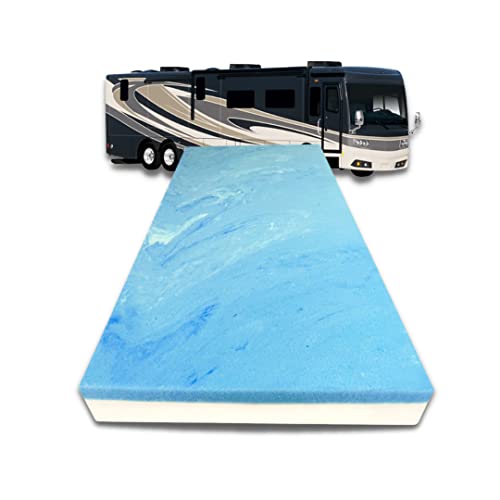
USE FOR A VARIETY OF PROJECTS: Foam is not just for sofas and chairs! It can be customized to repair worn down chairs, create custom cushions for patio chairs and benches, ottomans, stools, headboards, RVs, boat seats, car seats, golf cart seats, workout benches, cots, window seats, restore vintage furniture, foam mattress toppers and carrying cases for delicate glass or ceramic items, packing foam for delicate glass or ceramic items, accent pillows and many other crafts and DIY projects
USE FOR A VARIETY OF PROJECTS: Foam is not just for sofas and chairs! It can be customized to repair worn down chairs, create custom cushions for patio chairs and benches, ottomans, stools, headboards, RVs, boat seats, car seats, golf cart seats, workout benches, cots, window seats, restore vintage furniture, foam mattress toppers and carrying cases for delicate glass or ceramic items, packing foam for delicate glass or ceramic items, accent pillows and many other crafts and DIY projects
Mattress Top Reference Point
Where should you actually start measuring when picking out a headboard? The answer is not the floor.
- Start at your mattress top, not the ground, to get accurate headboard height measurements
- Standard headboard height above mattress ranges from 14 inches for twins up to 58 inches for king beds
- Measure inches above mattress where your pillows rest, ensuring your headboard extends comfortably above them
- Account for pillow height when determining your ideal headboard sizing to support comfortable leaning
- Balance matters across bed sizes: queen headboards typically sit around 28 inches above mattress, while king headboard height reaches about 58 inches
Using the mattress top as your reference point ensures you’re comparing headboards accurately. Measuring from the correct starting point allows you to select the perfect headboard height above your mattress.
Wall Height Proportion Guidelines
How tall can your headboard actually be without looking awkward in your bedroom? The golden proportion guideline is your best friend. Your headboard shouldn’t exceed three-quarters of your wall height for perfect visual balance. If you’re working with standard 8-foot ceilings, aim for headboard heights around 48–60 inches, which creates stunning bedroom proportion.
To maintain visual balance, leave roughly 4 inches of wall space behind your mattress partially visible above the bed. Taller headboards work beautifully in spacious rooms with high ceilings, while smaller spaces benefit from low-profile designs at 10–24 inches. These proportional guidelines ensure your headboard dimensions complement your ceiling height and create visual harmony throughout the room.
Choosing Height Based on How You Use Your Bed
Your headboard height should match how you actually use your bed. If you’re someone who loves reading or lounging with pillows piled up behind you, you’ll want a taller headboard around 50–58 inches that gives your back solid support. If you mainly sleep and want your room to feel bigger, a short 10–24 inch headboard works well. Your sleeping position and back support needs should guide your choice, as the right height makes your bed function as both a practical sleeping surface and a comfortable lounging area.

Super Load-bearing Capacity: Crafted from high-strength steel construction, this sturdy bedroom bed frame holds up to 500 lbs for safe, wobble-free sleeping performance with no box spring required. Thickened support legs reinforce the whole structure to effectively stop shaking during use

【HEAVY DUTY & DURABILITY – ENGINEERED TO LAST】 ✔1.8mm thickened steel tubes – 30% thicker than standard frames (1.2-1.4mm) for superior bending resistance. ✔2X thicker legs – twice as thick as ordinary bed frames for better weight distribution. ✔Extra center support legs – eliminate middle sagging and evenly distribute weight. ✔Unique structural design – unlike ordinary frames that rely on single screws to bear weight, our integrated structure distributes force across the entire frame.

👍【Sturdy And Stable Bed Risers】 Our table risers are made of high quality thickened PP plastic, which is strong enough to support any heavy furniture for home or office. The internal mesh reinforcement design greatly increases its load-bearing capacity. Top bumps and rubber bottom of the desk risers can firmly grip the furniture legs, shock absorbing and anti-slip to avoid furniture sliding, protect the floor from friction and reduce noise.
Reading and Lounging Support
Do you love settling in with a good book or scrolling through your phone before sleep? If so, your headboard height matters for comfort. The right lounging support transforms bedtime into something special.
What I’ve learned about creating the perfect reading setup:
- Queen beds benefit from 28-inch headboard heights above mattress for cozy support
- King or Cal King beds work best with 58-inch heights for superior back support
- Taller headboards (65–70 inches) in high-ceilinged rooms provide exceptional leaning surfaces
- Adjustable headboards let you customize heights for different positions and people
- Smaller rooms shine with shorter 14–24-inch heights that preserve visual space
A headboard extending 6–8 inches above pillows provides comfortable leaning support while reading. Balancing headboard height with room size keeps your space feeling open and supportive.
Sleeping Position Comfort
Whether you’re curling up with a book, catching up on your favorite show, or just lounging in bed on a lazy Sunday, your headboard height shapes how comfortable you’ll be. When you sit upright to read in bed, you need your headboard aligned roughly with your eye level, usually around the top of your pillow or slightly above. For king headboard height, aiming for about 58 inches provides excellent back support without overwhelming your space. In smaller rooms, choose lower heights between 10–24 inches above the mattress, which keeps things proportional and cozy. The sweet spot for most people falls within 14–30 inches above the mattress, supporting comfortable leaning while respecting pillow level. Your perfect headboard height above the mattress depends on how you actually use your bed daily.
Back Support Requirements
How much time do you actually spend sitting upright in bed? It’s probably more than you think. Getting your back support requirements right matters.
Consider these essentials when choosing headboard height:
- Extend above your pillow line so you’ve got solid backing when reading or watching TV
- Match standard heights to your bed size. 28 inches for Queen beds offers substantial support without overwhelming your space
- Add upholstered padding around 6–8 inches thick for comfort while leaning
- Balance headboard dimensions with your room size and ceiling height to maintain visual harmony
- Account for reading height by ensuring adequate backing behind where your shoulders rest
The right headboard dimensions directly affect your daily comfort during seated activities in bed.