
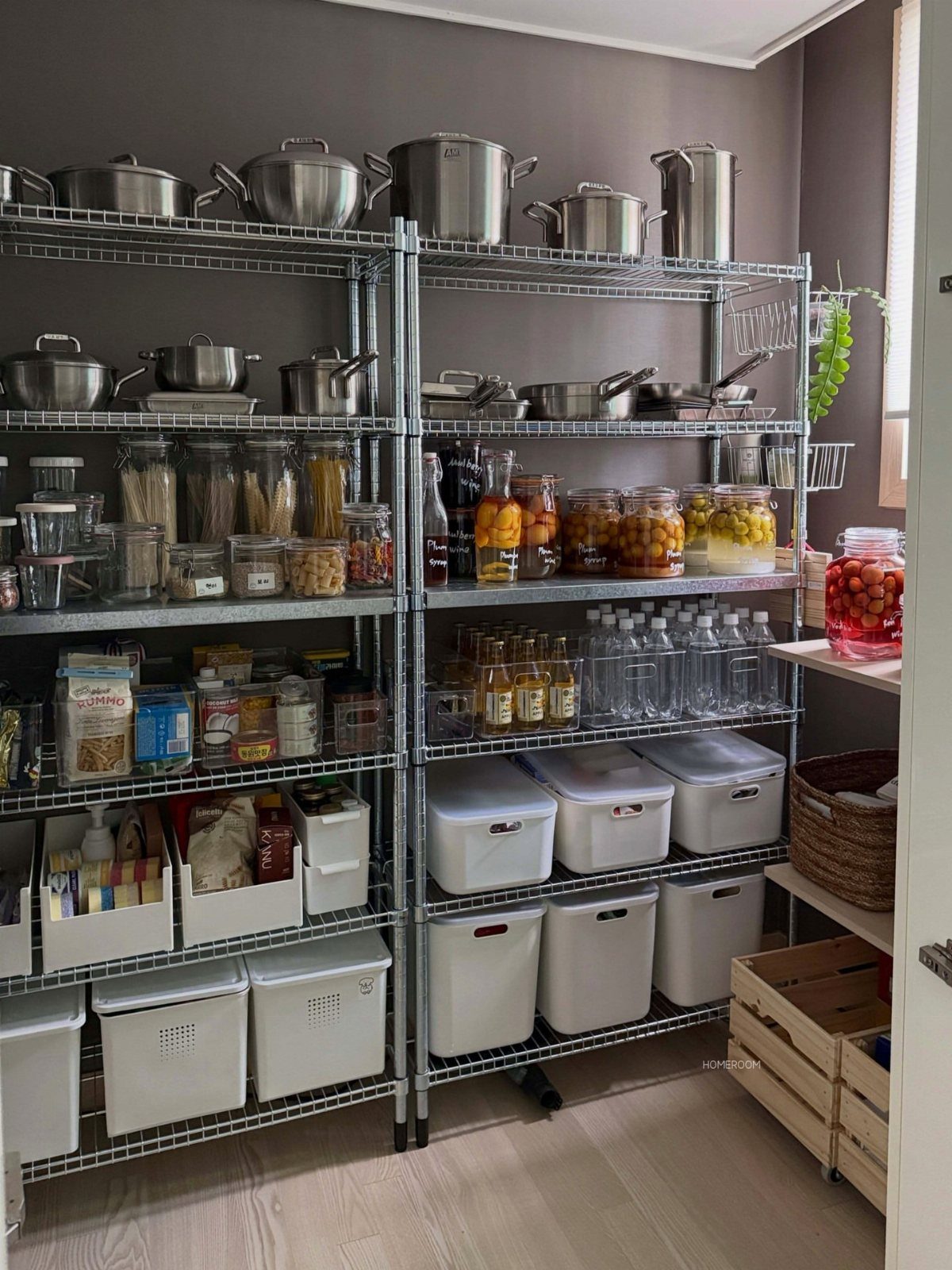
Which option fits depends on how much time you have and how much food you need: a community fridge needs no paperwork and is open at any hour, while pantry grocery items and food box groceries usually come with set hours, ID or address checks, and visit limits.
Food box groceries can stock your kitchen for a week or more, but visit limits vary, so I’d check details before visiting and confirm what to bring along with eligibility requirements.
1. Community Fridge
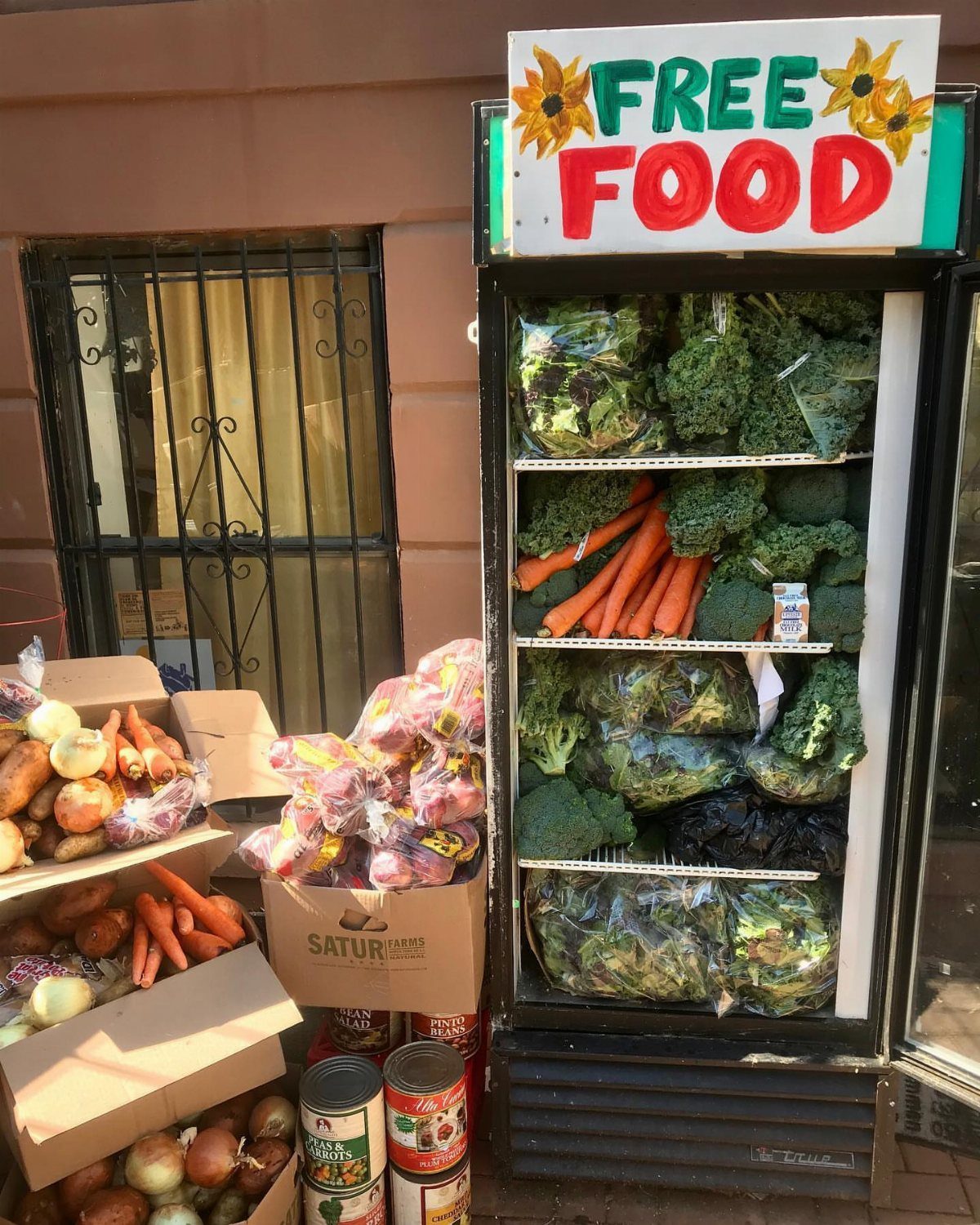
A community fridge runs on one promise: donated food sits outside, and you can take what you need at any hour. That helps when a pantry’s open window never fits around work or school.
What’s inside depends on what neighbors drop off, so produce, canned goods and boxed items change from visit to visit.
I’d treat it as a top-up for the week, not a plan for every meal. Bring your own bag.
2. Pantry Grocery Items
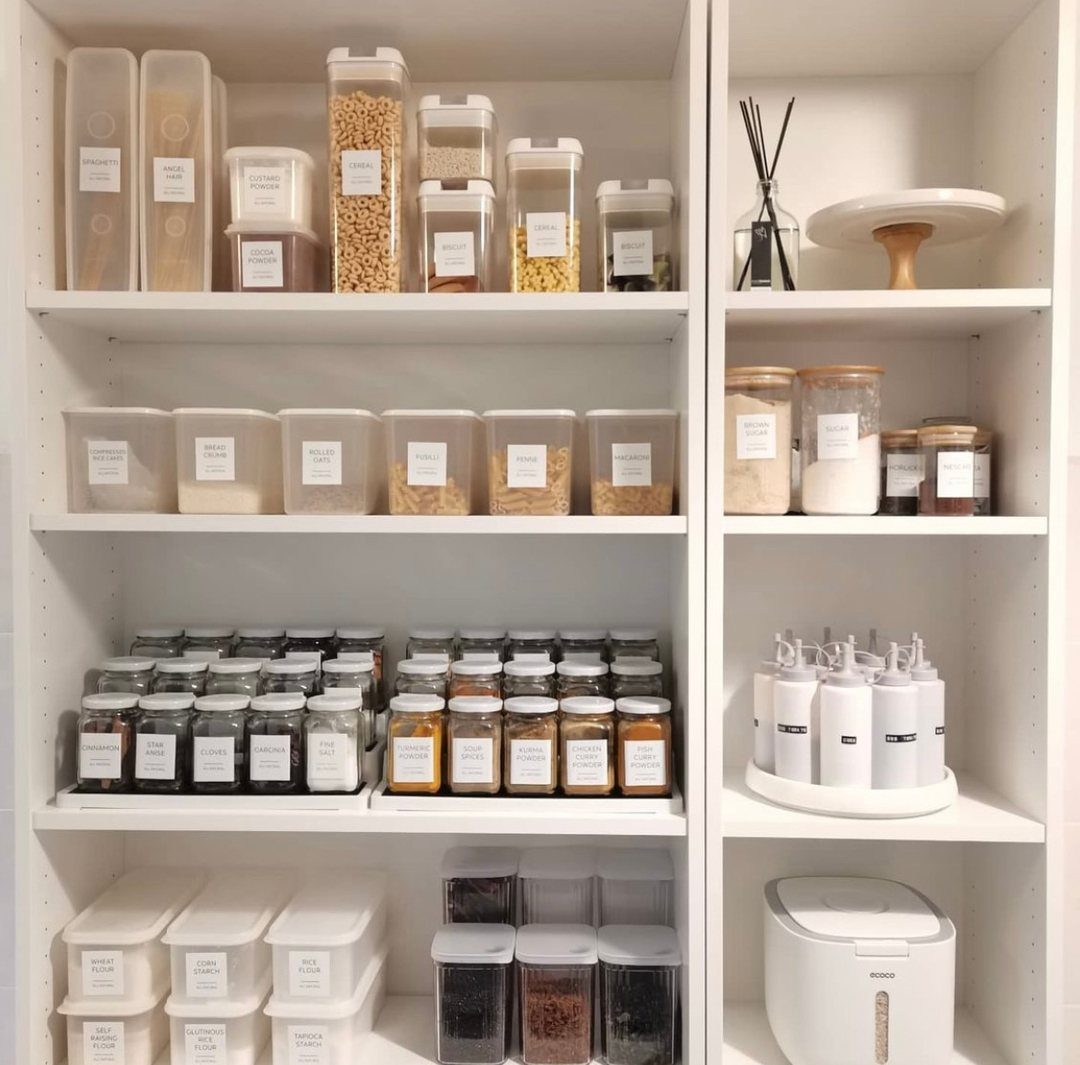
Shelf-stable groceries like pasta, cereal, flour and canned goods are what most people picture at a pantry. Some pantries also hand out fresh and frozen items, so an insulated tote or cooler bag is worth bringing along.
ID rules, residency requirements, appointments and visit limits vary from place to place. Call or check the pantry’s website first, and ask what’s in stock that day and whether fresh and frozen food is included.
3. Food Box Groceries
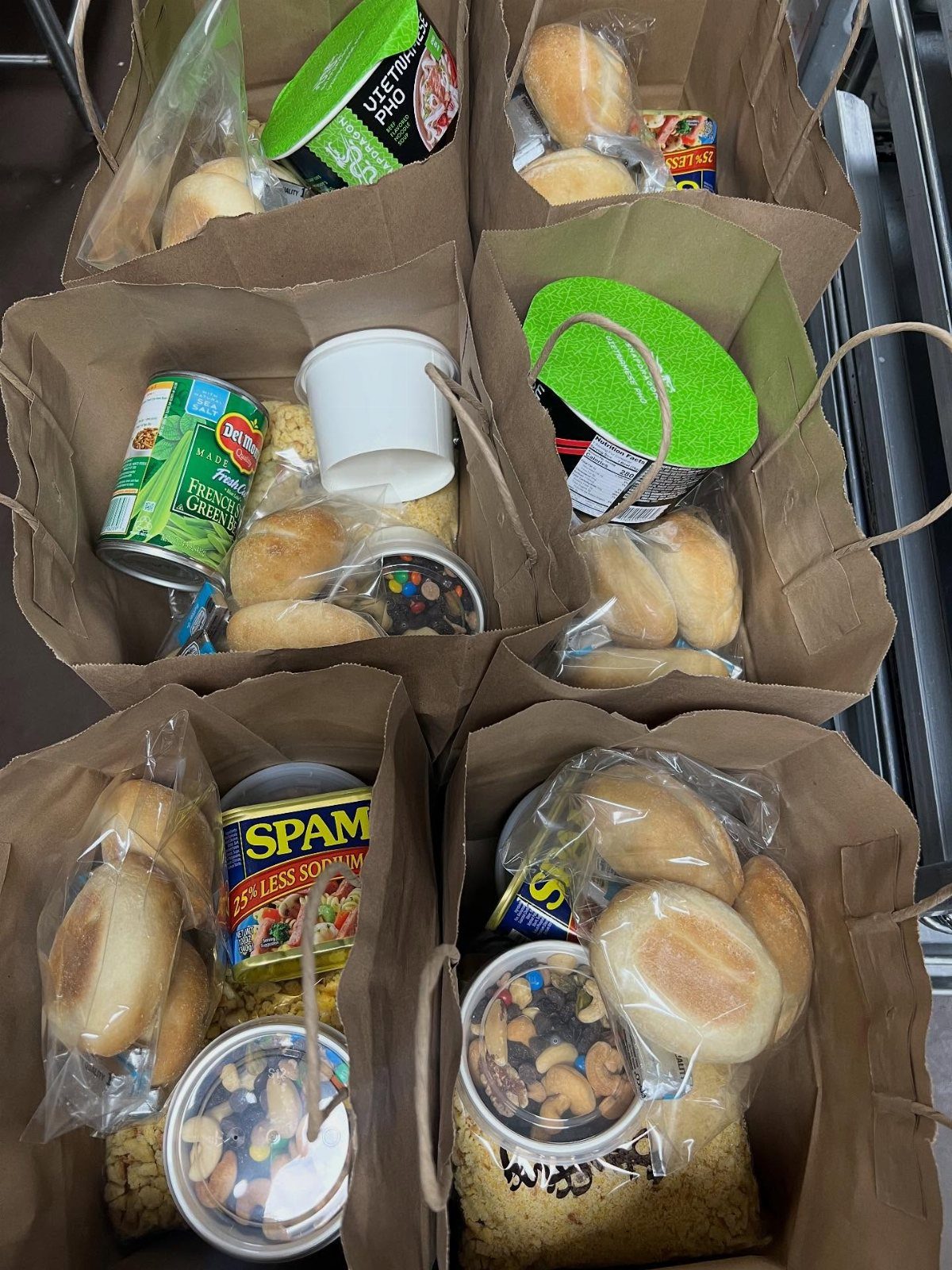
Food boxes are meant to be carried home: a supply of groceries that stocks your kitchen instead of covering one meal.
Paper bags of canned vegetables, canned meat, rolls and nuts are one version, and contents differ from pantry to pantry.
Bring sturdy bags or a small cart, since these get heavy.
Visit limits differ from one pantry to the next, some allowing a weekly stop and others only a monthly one, so find out the schedule before you plan your grocery budget around it.
Check Details Before Visiting
Hours and distribution days change from one pantry to the next, and a place that hands out food on Tuesday morning may be closed the rest of the week. A short phone call saves a wasted trip.
Service areas vary, and some pantries only take residents of particular ZIP codes or counties, so give them your address up front and ask if it falls within their boundaries.
Ask what to bring while you have someone on the line.
When a pantry can’t take you, ask who else it would point you to: a nearby pantry, a mobile food truck stop, or a free meal program all count.
A soup kitchen hands out hot meals you eat there, and most skip the paperwork, which makes one a handy stopgap while you line up a pantry.
Most of these places run on volunteers. Being polite costs nothing, and I’ve found it’s the easiest way to get a useful answer.
Food Access Eligibility
Rules differ by pantry, and the paperwork is the part that surprises people.
Some ask for a photo ID, proof of address or residency, details about who lives in your household, or income information. Others serve anyone in need without asking for any of it.
Expect extra steps the first time.
Registration at some pantries happens in person: bring a photo ID, something showing where you live, and the names of everyone in your household, then expect to present that ID again each time you return.
Gather those items before your first trip, and keep them together in one folder or envelope. Some programs also set residency or income limits, so ask about those up front.
If you’re missing a document, say so when you call. Some pantries work without it, and staff can often point you to one that does.
Frequently Asked Questions
Can I get food from a food pantry?
Yes. Rules on ID, where you live, appointments and how often you can visit change from one pantry to the next, so a short phone call beforehand can spare you a wasted trip.
Do I need ID to visit a food pantry?
It depends on the pantry. Keep your documents together in one folder for the first visit.
Missing a document? Mention it on the call, since plenty of pantries will help anyway and the staff often know of a nearby one that will.
How often can I visit a food pantry?
Each pantry sets its own limit, and most allow one visit per household per week or per month.
Because the limits are per pantry, some people use more than one. Find out the schedule before you build your grocery budget around a pantry.
What kind of food do food pantries give out?
Shelf-stable staples are the most common: rice, pasta, beans, cereal, flour, canned goods and bread. Some pantries also have dairy when available, fresh produce, frozen meat and baby supplies.
What should I do if I need food today?
Call 2-1-1 for local food referrals, or reach the USDA National Hunger Hotline at 1-866-348-6479, or at 1-877-842-6273 for Spanish.
A community fridge is open at any hour, and a soup kitchen serves hot meals you eat on site, usually without paperwork.
When you reach a pantry, ask what it has on the shelves today and whether your address is inside the area it serves.