
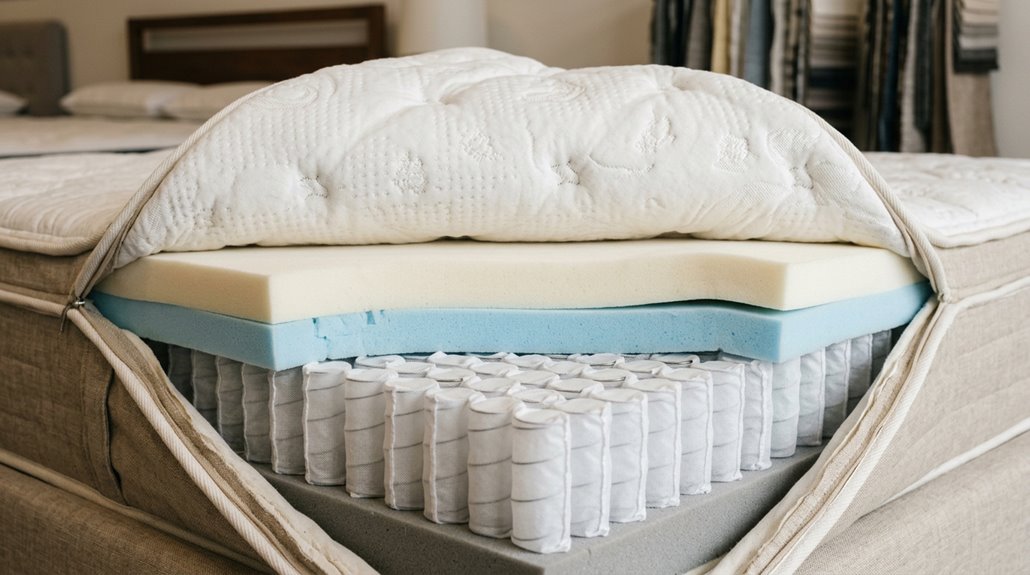
Mattresses are built from three main layers working together. The support core, whether it’s coils, foam, or latex, gives you sturdy structure and determines how deep you sink.
Comfort layers on top, usually memory foam or softer materials, cradle your body and ease pressure points.
Finally, a protective cover wraps everything. Each material choice changes how cool, bouncy, or cradling your mattress feels, so picking the right combination affects your sleep quality.
The Core Layers of Every Mattress
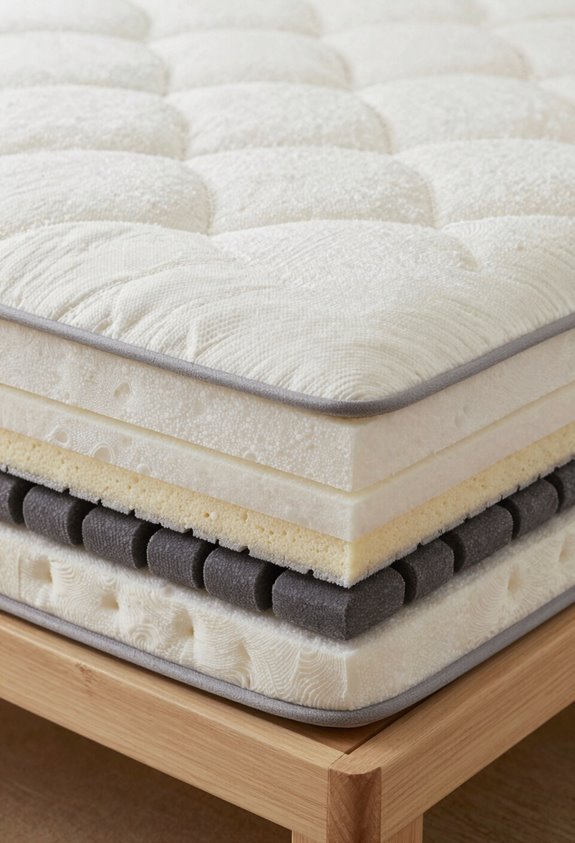
Ever wonder what’s hiding inside your mattress when you sink into bed at night? Every mattress has a support core, which is the foundation that keeps you comfortable and supported. You’ll find three main types: an innerspring coil unit made of steel springs that help with airflow, a foam core using high-density polyurethane materials, or a latex core that offers natural support. These cores provide the structural support your mattress needs. The support core’s density and firmness level determine how much your body sinks in or stays lifted up. Whether you prefer that bouncy feel or gentle cradling sensation, your mattress’s core creates that experience.
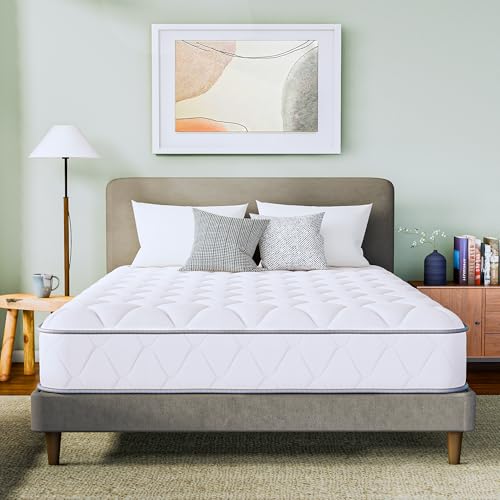
COMFY HYBRID MATTRESS – The GAESTE Full Size Mattress blends durable innersprings with cushioning memory foam layers. It provides stable, even support from head to toe with a balanced medium plush feel, ensuring the pressure relief and improved sleep quality.
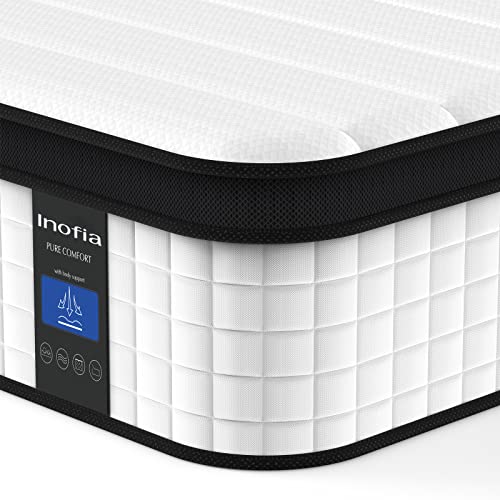
!Warning: Be cautious and keep enough distance when opening the mattress from the plastic, as it may smack people. ● Body Conforming & Pressure Reliving--The 7 zoned individual encased coils are positioned at the core of the mattress. On top, multi-layers of CertiPUR-US certified comfort foam are laid in place. This hybrid mattress has a certain amount of spring while also conforming to the body for targeted pressure relief, offering a balanced sleep experience for many individuals

General Note: Please allow 24 - 72 hours for your Mattress to regain its full shape. Any memory foam will expand faster in a warmer room. In cold temperature, at delivery, your mattress may take a bit longer to return to full sized from its compressed state.The expansion time of the mattress will vary as per the surrounding..Set Up: Simply take your mattress out of the box and enjoy watching it decompress. Jumping, walking, and sleeping on your mattress can speed up the process.
Choose Your Mattress Type: Innerspring, Foam, Latex, or Hybrid
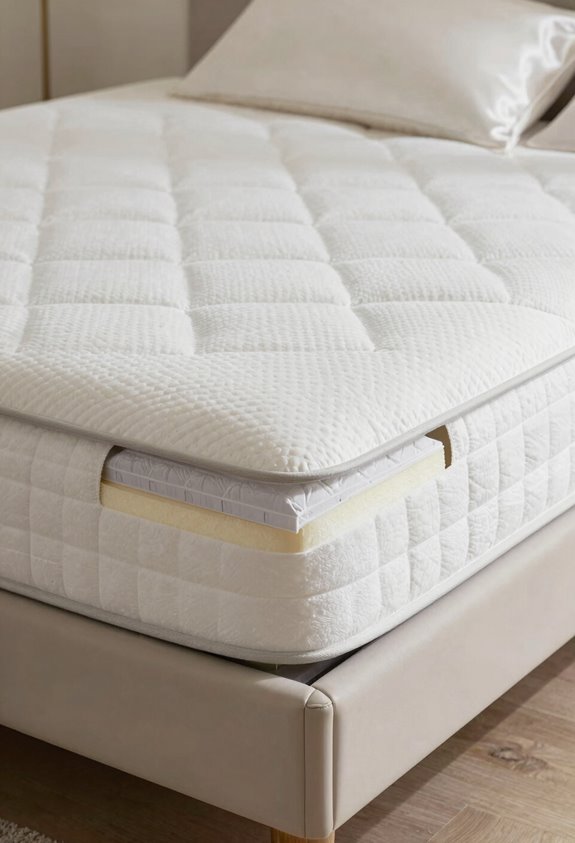
Now that you understand what’s inside your mattress, you’ll want to pick the type that fits your sleep style best. If you love feeling cool air flowing through as you sleep, an innerspring mattress with its steel coil system might be your perfect match. Prefer sinking into comfort. Foam layers cradle your body, relieving pressure points effectively. Want something that lasts longer and breathes naturally. Latex delivers durability and responsiveness. Can’t decide. A hybrid combines pocketed coils with foam layers, giving you support, contouring, and airflow in one mattress. Consider what matters most to you: affordability, motion isolation, breathability, or balanced comfort. Your ideal mattress is waiting to transform your sleep experience.

【Luxurious Cloud-Like Comfort & Airflow for Every Sleeper】Enjoy a more indulgent sleep experience with the Grbsy memory foam mattress hybrid design, engineered to combine plush comfort, balanced support, and breathable cooling. Its multi-layer construction creates a cloud-like feel that helps your body relax more deeply throughout the night. Ideal for side, back, stomach, and combination sleepers, this medium firm mattress offers refreshingly cool, pressure-free rest and fits most standard bed frames with ease
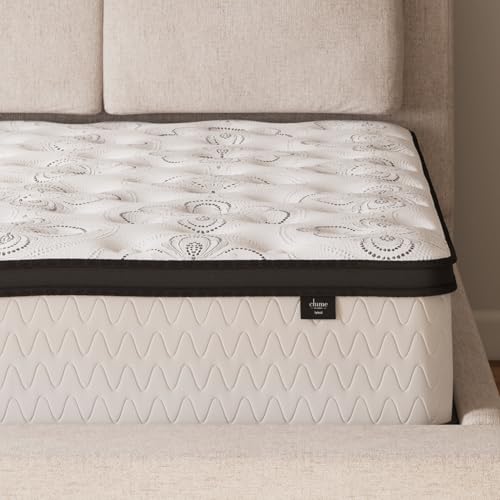
QUEEN HYBRID MATTRESS: Enjoy endless possibilities for restful sleep with this hybrid innerspring queen mattress. Feel the support of a truly traditional coil mattress, which contours to your body for a comforting feel thanks to layers of foam

12 INCH HYBRID SUPPORT: Gel memory foam over individually pocketed coils with a Euro top gives a medium firm feel that supports back and side sleepers; the 12 inch profile fits standard Queen frames and sheets.
Innerspring Mattresses: Coil Systems and How They Support
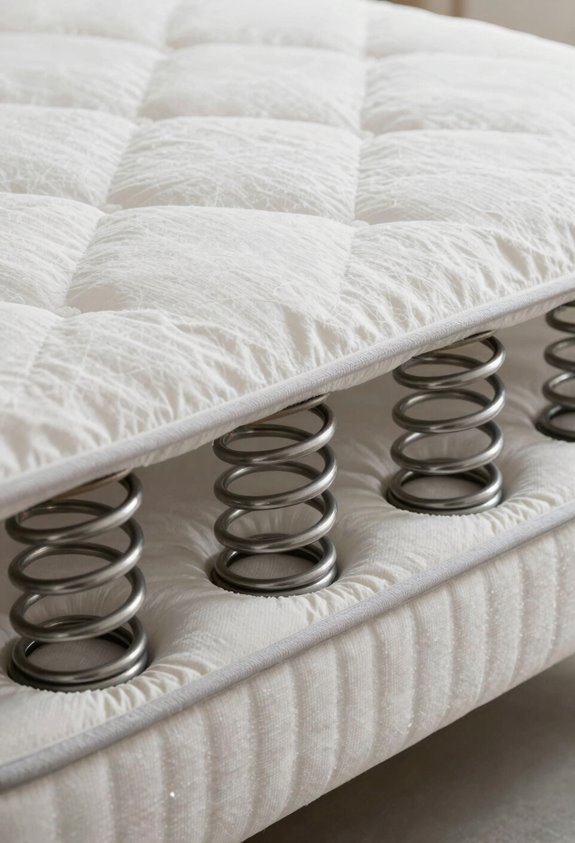
At the core of every innerspring mattress sits a system of steel springs, and these coils are what give the mattress its main support and bounce. Modern innerspring designs use individually wrapped coils, which reduce noise and keep motion from transferring between partners if you share your bed. The coil system varies quite a bit: coil gauges range from 12 to 18, while total counts span from about 500 to over 2,000, affecting how supportive and durable your mattress becomes. These steel springs get encased with materials like canvas, cotton, or wool to boost strength and edge support. The air flowing between open coils creates a cooler sleeping surface. Quality construction is essential to avoid sagging or squeaks over time.

Built for Comfort: 3 inch of AeroFusion Memory Foam is crafted to fit body's micro pressure points and conform to body's curves and shape for comfort throughout your sleep. Putting the topper on top of the mattress and under the mattress cover will give you a new and softer mattress, extending the life of the mattress and giving you a new sleep experience.
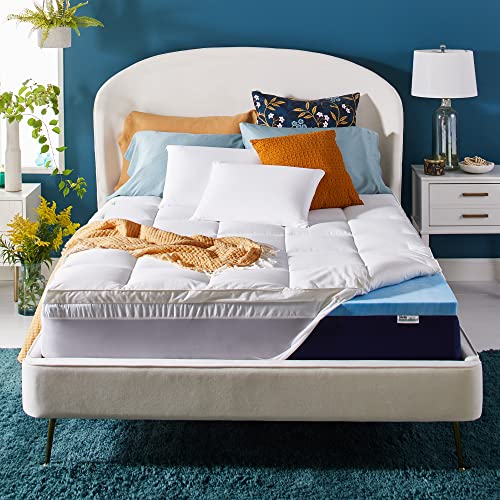
Dual Layer King Size Gel Memory Foam Mattress Topper: This luxurious 2 layer mattress topper features a 2 inch soft quilted pillow top cover with plush fiber fill and 2 inches of cooling gel memory foam for a medium feel

COOLING GEL MEMORY FOAM : This queen mattress features graphite-infused foam that helps regulate heat and wick moisture. Designed for cooler sleep, these queen size mattresses help reduce overheating.
Memory Foam Mattresses: Contouring and Pressure Relief
Memory foam mattresses work through a special material called viscoelastic polyurethane foam, which molds to your body’s unique shape and weight to cradle you in comfort. When you lie down, this foam slowly conforms to your body, spreading out pressure from your heels, hips, shoulders, and head so no single spot gets overloaded. It also keeps your spine nicely aligned. Memory foam’s multiple layers work together with denser material underneath for support and softer, plushier foam on top for comfort, distributing pressure across a wider surface area and reducing localized stress on your joints and tissues.

Soft - Great for Adding Softness to the Surface of a Mattress
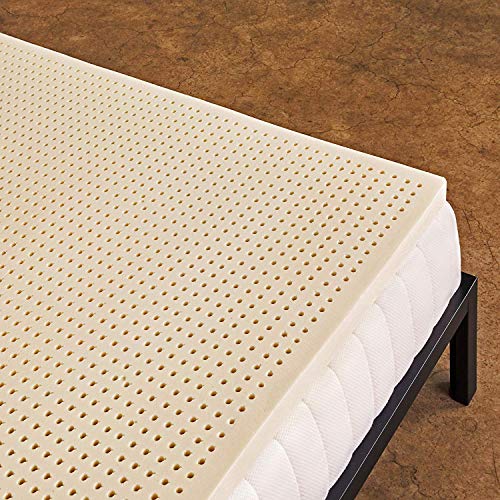
Soft - Great for Adding Softness to the Surface of a Mattress
Soft - Great for Adding Softness to the Surface of a Mattress
Polyurethane Foam Composition
Memory foam mattresses feel different from regular foam mattresses because of their polyurethane foam composition.
Memory foam is a viscoelastic material created through a special chemical reaction. Understanding how it’s made reveals what makes it effective:
- Polyurethane foam is formed by mixing polyol with water and diisocyanate chemicals, creating that unique foaming structure
- The density of your mattress ranges from 3 to 8 pounds per cubic foot, which directly affects how long it’ll last
- This foam composition allows the material to conform to your body’s shape, relieving pressure points where you need it most
When shopping for a mattress, knowing these details helps you find the product that meets your body’s specific requirements.
Pressure Point Support System
Why do memory foam mattresses feel so good when you first lie down on them? Memory foam has an impressive ability to mold around your shape, using your weight and body heat to create personalized support. This contouring action helps align your spine and relieves pressure on sensitive spots like your hips, shoulders, and joints.
The support system works because of the comfort layer, which gets progressively softer from top to bottom. Manufacturers use different density levels, typically 3 to 8 pounds per cubic foot, to balance that plush feel with solid core support. Some foams even have perforations that boost airflow, keeping you cool while you sleep.
| Feature | Benefit |
|---|---|
| Contouring design | Personalized body support |
| Density variation | Better durability |
| Perforated foam | Temperature regulation |
Contouring and Body Alignment
When you sink into a memory foam mattress, the foam gently wraps around your entire body like a custom-made hug.
- Personalized support: The foam molds to your unique shape, creating a custom fit that’s just for you
- Spine alignment: Your backbone gets the support it needs, helping you maintain healthy posture while you sleep
- Pressure relief: Softer foam layers on top cradle your curves while denser layers underneath keep everything stable
The foam layers work together, with each layer serving a specific function. Softer foam near the surface cradles your shoulders and hips, while deeper foam layers maintain the structural support your entire body requires. This layered design keeps you comfortable throughout the night.
Latex Mattresses: Natural Breathability and Longevity
Natural latex mattresses offer something special. They’re made from rubber tree sap, which gives them a responsive feel and remarkable durability that can last for years without sagging or developing body impressions. Their breathability comes from an open-cell structure and smart layering that allows air to flow through, keeping you cooler throughout the night. When you combine natural latex with organic cotton covers and recycled steel springs, you get eco-friendly materials that support your body while reducing environmental impact.

SAFEGUARD YOUR INVESTMENT: Keep your expensive mattress in pristine condition with our Premium King Bamboo Mattress Protector. Our ultra-soft mattress cover protects from dirt, water and normal wear & tear, so it stays clean and comfortable.

Crafted for Stillness and Ease – Designed to complement the quiet rhythm of restful sleep, this water-resistant mattress protector features a breathable surface of viscose derived from bamboo—smooth, cool to the touch, and gentle on the skin. Its deep-stretch skirt fits mattresses up to 18", embracing the bed in a clean, uninterrupted layer that stays quietly in place.
SAFEGUARD YOUR INVESTMENT: Keep your expensive mattress in pristine condition with our Premium Queen Bamboo Mattress Protector. Our ultra-soft mattress cover protects from dirt, water and normal wear & tear, so it stays clean and comfortable.
Natural Material Benefits
Breathability and durability are two qualities that make natural latex mattresses stand out from the crowd. Natural latex, sourced from rubber tree sap, transforms your sleep experience.
- Open cell structure creates amazing airflow, keeping you cool throughout the night
- Eco-conscious sourcing from responsible farms means you’re making a planet-friendly choice
- Long-lasting latex foam resists indentation, maintaining its shape year after year
When switching to natural latex, the breathability prevents that sticky, hot feeling experienced with other mattress types. The latex foam’s responsive nature provides support exactly where you need it and won’t flatten out like other materials. Natural latex is a sustainable option that lasts longer, making it a smart investment for quality sleep.
Durability And Lifespan
How long will your latex mattress actually last? Natural latex delivers impressive longevity, often outlasting standard foam or spring options by years. Latex resists permanent compression, bouncing back night after night without flattening like regular mattresses do. This resistance to sagging means your mattress maintains its support and keeps your spine aligned for many years. Eco-conscious materials, like Dunlop natural latex, combine sustainability with performance, so you’re investing in something that lasts while helping our planet. Unlike all-foam alternatives, latex shows slower wear rates and deformation, protecting your investment long-term. Latex mattresses typically support you reliably for 10 years or more, making them a worthwhile long-term investment.
Hybrid Mattresses: Springs and Foam Working Together
Hybrid mattresses combine springs and foam layers to create a sleep experience that leverages the benefits of both materials.
Here’s what makes hybrids special:
- Pocketed coils provide sturdy support and airflow, keeping you cool throughout the night
- Foam layers on top offer pressure relief and reduce motion transfer, so you won’t feel your partner moving
- Responsive materials create a balanced feel that contours to your body while maintaining firmness
Plush memory foam positioned above thousands of individually wrapped coils delivers the cooling benefits of springs combined with the comfort of foam. This construction provides support without sacrificing comfort, resulting in better sleep quality.

COMFORTABLE HYBRID SUPPORT – The NEO SLEEP 8-inch Full mattress features a medium plush feel with a soft comfort foam layer over evenly supportive innerspring coils, helping distribute weight evenly for consistent support across all sleeping positions.

COMFY HYBRID MATTRESS – The GAESTE Twin Mattress blends durable innersprings with cushioning memory foam layers. It provides stable, even support from head to toe with a balanced medium plush feel, ensuring the pressure relief and improved sleep quality.

【Hybrid construction enhances comfort】: Indulge in the ultimate sleep experience with the Novilla twin hybrid mattress, which combines comfort foam and individually pocketed springs. This mattress twin will cater to your every need, offering the perfect blend of support and plush.
Stay Cool All Night: Gel and Specialty Foam Technology
While hybrid mattresses give you the best of both springs and foam, gel and specialty foams offer another cooling technology option. Gel foam technology works by absorbing and dispersing heat away from your body, so you stay comfortable throughout the night. These innovative materials combine with memory foam to give you that perfect balance: you get the contouring support you need, plus better temperature control.
| Technology | Benefits | Features |
|---|---|---|
| Gel Foam | Heat absorption, cooling | Disperses warmth effectively |
| Copper/Graphene | Energy management | Temperature regulation |
| Perforated Design | Enhanced airflow | Breathable comfort layer |
Perforated or hole-punched foam designs increase airflow within your mattress, preventing heat buildup. Specialty foams with copper or graphite additives manage temperature and energy absorption effectively. These cooling features create a sleep surface that maintains a comfortable temperature throughout the night.
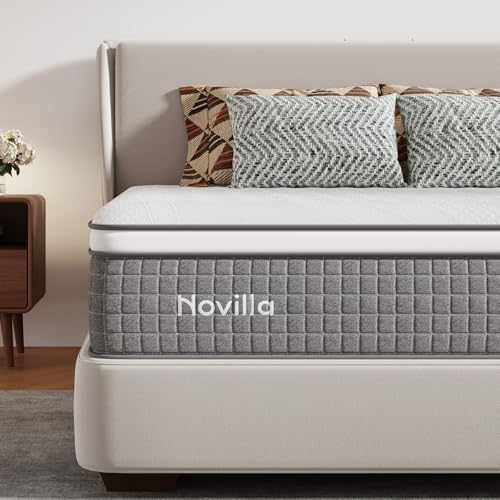
【Targeted Support Zones for Balanced Alignment】 The twin mattress is built with hundreds of individually pocketed coils, each working independently to deliver precise, zoned support and significantly reduce motion transfer. These mattress twin 12 inch targeted support zones help maintain spinal alignment, improve sleep stability, and create a more personalized rest experience for a wide range of sleepers.

Certified Safe & Premium Materials: Crafted in the USA with CertiPUR-US certified foam and OEKO-TEX certified fabric. This hybrid mattress is completely fiberglass-free, using only non-toxic, high-quality materials for a healthier sleep environment you can trust.

【Targeted Support Zones for Balanced Alignment】 The queen mattress 14 inch is built with hundreds of individually pocketed coils, each working independently to deliver precise, zoned support and significantly reduce motion transfer. These hybrid mattress queen targeted support zones help maintain spinal alignment, improve sleep stability, and create a more personalized rest experience for a wide range of sleepers.
How to Match Materials to Your Sleep Position and Preferences
The right mattress for you depends on how you sleep and what feels comfortable. Understanding each material’s strengths helps you make the best choice.
- Side sleepers benefit from memory foam or latex because they provide excellent pressure relief for your shoulders and hips, cradling your body where you need it most.
- Back sleepers thrive with innerspring or hybrid mattresses that offer balanced support, keeping your spine aligned without sinking too deeply into the surface.
- Stomach sleepers prefer firmer options like innerspring cores that prevent your hips from sagging, maintaining proper spinal alignment throughout the night.
Your personal preferences matter too. If you run hot, innerspring’s airflow beats memory foam’s heat retention. If you love that hugging feeling, memory foam or latex delivers contouring comfort that keeps you supported all night long.

Cooling & Breathable - The Novilla 12 inch queen size memory foam mattress addes 30% more NanoGel, which will increase the heat absorption capacity, promotes airflow and provides a refreshing cooling effect, thereby delivering an enhanced sleep experience. Enjoy all-night comfort and relaxation, say goodbye hot and restless nights.

PRESSURE RELIEVING MEMORY FOAM: Plush gel infused memory foam conforms to your curves for personalized comfort that hugs you to sleep; use it to rejuvenate an old mattress, soften a too-hard mattress, or prolong the life of your mattress

GEL MEMORY FOAM MATERIAL: Our memory foam mattress topper readily conforms to the curves and shape of your body, distributes weight evenly to alleviate pressure points for better sleep.
The Foundation Matters: Choosing the Right Base for Your Mattress
Have you wondered why your mattress sits on a special base instead of just going straight on your bed frame? A solid foundation provides the support your mattress needs to stay comfortable and last longer. When you choose the right base, whether it’s a traditional box spring or an all-wood slatted foundation, you’re investing in better sleep.
Ventilation matters too, so air flows underneath your mattress, preventing moisture and mildew. Rotate your foundation regularly to distribute wear evenly. Make sure your base matches your mattress type, foam, innerspring, latex, or hybrid, for optimal performance and base compatibility. When foundation and mattress work together, you create a more durable and supportive sleep setup.
Soft - Great for Adding Softness to the Surface of a Mattress
![12 Inch - Queen size [60" x 80"] Hybrid Latex Mattress, Luxury Euro Top with Latex Comfort Foam & Individually Wrapped Pocket Coils | Cooling Support, Pressure Relief & Motion Isolation](https://m.media-amazon.com/images/I/41id0NrDb2L._SL500_.jpg)
[NATURAL LATEX COMFORT LAYER] Premium responsive latex provides breathable comfort, pressure relief, and a gentle bounce that helps prevent the "stuck" feeling common in traditional memory foam mattresses.
Soft - Great for Adding Softness to the Surface of a Mattress