
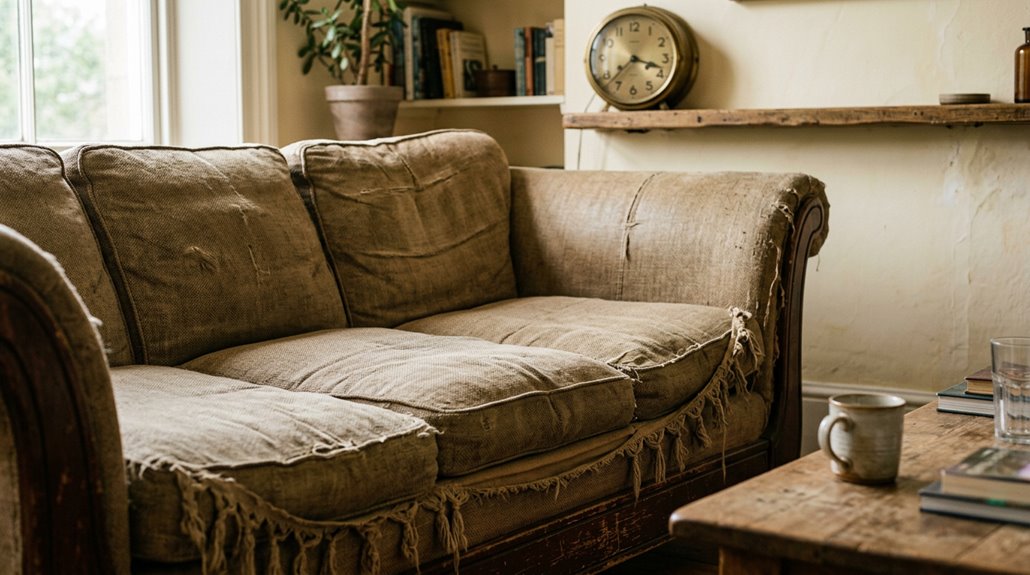
Your couch’s lifespan depends on ten essential factors.
First, solid hardwood frames with corner blocks and dowels resist wobbling far better than particleboard.
High-density foam cushions (1.8 pcf or higher) stay supportive for 10+ years, while low-density ones sag in just 2–5 years.
Durable fabrics with 30,000+ rub counts outlast cheap materials.
Daily usage, pets, and kids accelerate wear substantially.
Smart maintenance, including rotating cushions monthly, vacuuming weekly, and cleaning spills immediately, extends life dramatically.
Climate control and UV protection matter too.
Understanding these factors helps you make smarter replacement decisions down the road.
What Determines Couch Lifespan: The Core Factors
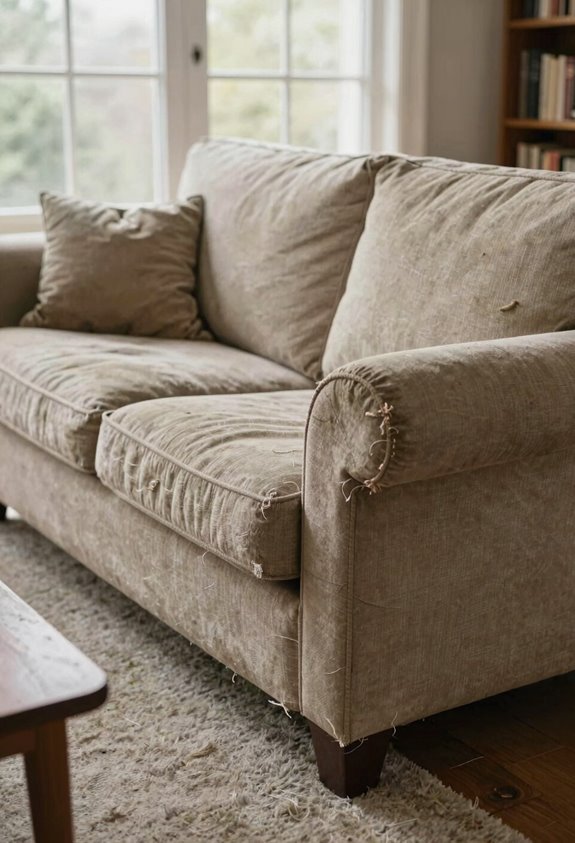
Why do some couches last a decade while others fall apart in just a few years? The answer lies in what’s inside. The foundation matters most: solid hardwood frames outlast particleboard, and proper joinery with corner blocks creates superior durability. Then there’s cushion density, which determines how well your seating bounces back after daily use. High-density foam holds its shape longer than cheaper alternatives.
Your lifestyle significantly impacts longevity. Pets and kids accelerate wear through scratches and spills. Daily family use demands tougher construction than occasional guest seating. When you understand these core factors, frame quality, cushion composition, usage level, and how everything’s built together, you can make furniture choices that will actually stand the test of time.


Premium Pine Wood Construction – 25-pack of 1/2" x 12" unfinished square wooden dowel rods, crafted from durable, sturdy pine wood. Perfect for woodworkers, crafters, and DIY enthusiasts seeking reliable wooden dowels for projects

【Premium Dense Hardwood】 Made from selected high-density hardwood, these dowel pins resist splitting & provide stronger joints than softwood alternatives.
How Frame Quality Sets Your Couch’s Durability Baseline
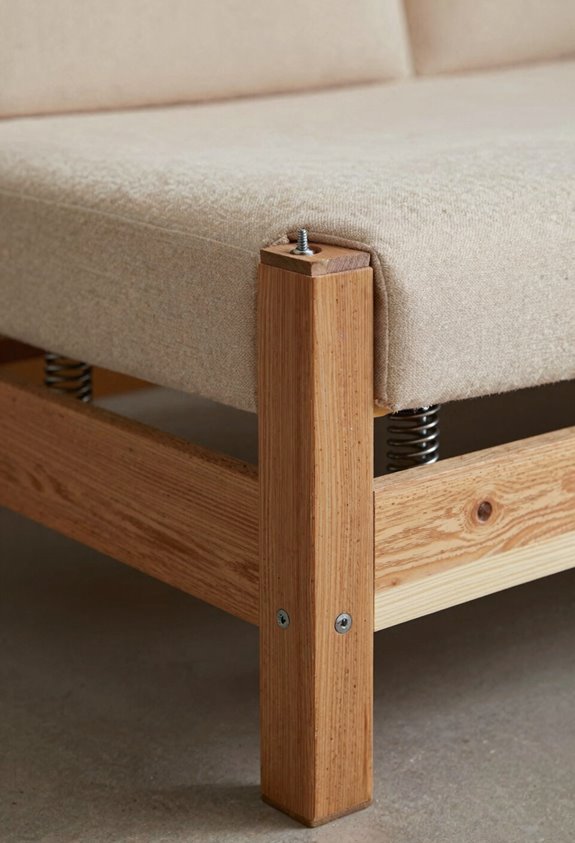
I’m going to show you why the frame is basically your couch’s skeleton. Get this right, and you’ve got a furniture investment that will stand strong for years. When you choose a solid hardwood frame like maple or oak that’s been kiln-dried, you’re picking wood that’s significantly less likely to warp, crack, or develop that annoying wobble that makes you feel unstable when you sit down. The decisive factor comes down to how the frame’s put together: corner blocks, dowels, and quality joints (think dovetail or glued construction) beat staples alone significantly, because they keep everything locked in place instead of slowly loosening up and turning your beloved couch into a creaky mess.


REVIVE WORN-OUT CUSHIONS – Replace flattened or sagging foam instead of replacing the entire piece of furniture. A fresh foam insert helps bring back cushion shape, support, and everyday comfort while letting you keep the furniture you already love.
Solid Wood Frame Superiority
I’m talking about a solid wood frame, specifically kiln-dried hardwood like maple or oak. These materials significantly improve frame durability because they resist wobble and warping that cheaper softwoods cannot handle.
You want to look for corner blocks and dowels reinforcing the joints. These create real structural integrity, unlike staples alone. Kiln-drying removes moisture, which means your couch won’t sag or twist as years pass. When you sit down, you’ll notice the difference. the rock-solid stability indicates quality construction.
Investing in solid wood frame construction now ensures you’ll enjoy a dependable couch for years to come.
Construction Methods That Matter
Now that you’ve got the frame material down, let’s talk about how your couch actually gets built. The way manufacturers put those solid wood pieces together makes all the difference in how long your couch will really last.
Here’s what separates a couch that lasts from one that doesn’t:
- Corner blocks and dowels reinforce joints beyond basic staples, markedly increasing structural longevity
- Screwed or dovetail joints with glue outperform glued-only or stapled constructions substantially
- Kiln-dried hardwood frames resist wobble and age-related shape loss better than particleboard
When you invest in quality construction methods, you’re getting a frame that won’t creak, wobble, or sag at the base. These durability features protect your investment for years. Your couch will remain stable and beautiful with proper construction.
Cushion Density and Fill: Why Support Systems Matter Long-Term
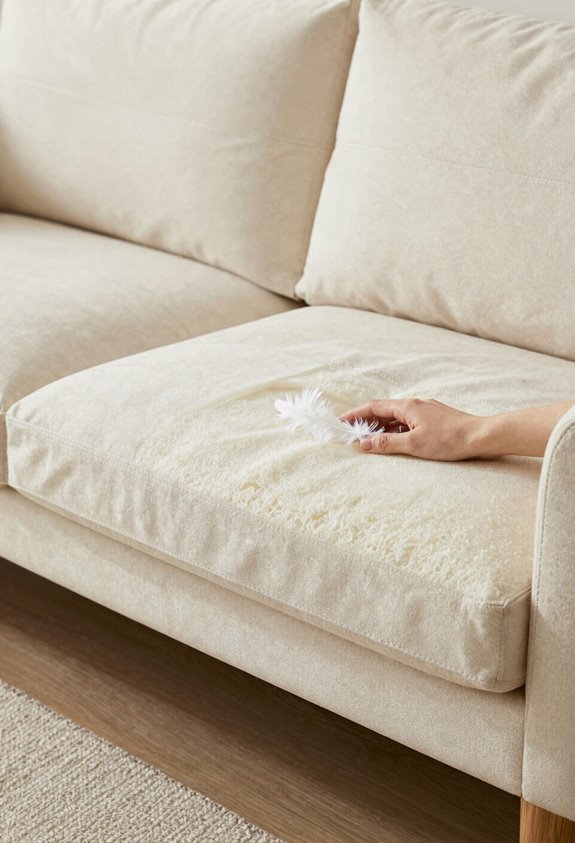
I’m excited to show you why your couch’s cushion density is essential to how long it actually stays comfortable. A frame might be rock-solid, but those cushions determine whether you’re sinking into a saggy mess or sitting in support that lasts for years. We’re going to explore how high-density foam (think 1.8 pcf or higher) keeps its shape much better than cheaper alternatives, compare the different fill materials so you can spot which ones resist bottoming out, and help you recognize the warning signs that your support system is starting to break down. By understanding these cushion essentials, you’ll know exactly what to look for when shopping and when it’s time to refresh those inserts instead of replacing your whole couch.

1.STRUDY DURABILITY & PREMIUM WEIGHT: Our chenille fabric is engineered to be thicker, denser, and more substantial than standard options. This heavyweight construction ensures exceptional resistance to wear, sagging, and wrinkles, providing a luxurious, full-bodied drape that elevates any project from ordinary to outstanding.

Suitable for upholstery, chairs, tablecloth, couch, pillows and seat, sofa, reupholstery

Suitable for upholstery, chairs, tablecloth, couch, pillows and seat, sofa, reupholstery
High-Density Foam Retention
Picture yourself sinking into your favorite couch after a long day. That perfect cushion support shouldn’t disappear after just a few years. High-density foam makes a measurable difference in your seating experience:
- Superior sag resistance – High-density foam (1.8 pcf or higher) resists compression significantly better than cheaper alternatives, keeping your couch feeling fresh for 10+ years
- Longer-lasting comfort – While low-density foam sags in just 2–5 years, quality cushion density maintains that perfect seating support through years of lounging
- Easy refresh options – You can replace just the cushion inserts instead of rebuilding your entire couch, extending long-term durability affordably
When you pair high-density foam with proper construction like springs or foam-core combinations, you’re investing in furniture with proven longevity. This combination delivers the durability and performance that matters for long-term value.
Cushion Fill Material Comparison
The material inside your couch cushions makes all the difference between a sofa that stays supportive for a decade and one that goes flat after a few years. High-density foam (1.8 pcf or higher) is your best choice for lasting comfort because it resists bottoming out better than cheaper alternatives. Down-wrapped cushions feel plush, but they need regular attention to maintain their shape. Spring-core cushion cores offer superior durability and resilience by combining springs with foam, a combination that outperforms foam alone. Simple cushion rotation spreads wear evenly across your sofa, extending its life significantly. Replacing cushion inserts refreshes your couch without replacing the entire piece.
Support System Degradation Signs
How do you know when your couch’s cushions are starting to fail you? Spotting the telltale signs of support system degradation early allows you to take action before significant damage occurs.
- Visible sagging cushions that sink deeper than they used to, especially in frequently used spots
- Uneven wear patterns across your seating surface that show some areas compress faster than others
- Loss of that firm, supportive feeling when you sit down, even after fluffing
When cushion density drops below 1.8 pcf, your cushion support weakens noticeably. You have practical options available. Rotating cushions regularly helps prevent concentrated wear, and replacing cushion inserts refreshes your couch’s feel without replacing everything. Addressing support system degradation early extends your sofa’s usable life considerably, keeping it comfortable for years ahead.
Couch Upholstery and Fabric Performance: Surface Durability Explained
When you’re shopping for a couch, you’ve probably noticed those mysterious numbers—like 30,000 double rubs—printed on fabric labels. These numbers represent surface durability ratings, showing how well performance fabrics resist wear and tear. Fabrics with higher rub counts offer better stain resistance, which means your couch stays looking fresher longer. Synthetic performance textiles typically outlast natural fibers, especially in busy households. UV exposure from sunlight gradually fades and weakens fabric, so using window treatments to shield your upholstery is recommended. Regular maintenance, including vacuuming, prompt spill cleaning, and cushion rotation, extends your couch’s life. These simple steps protect your investment in quality upholstery.

Cat Couch Protector: This couch scratch protector from cats is designed to help reduce unwanted scratching while shielding fabric upholstery from everyday contact with pet claws and paws. These cat couch scratcher sheets are intended for use on fabric surfaces only and should not be applied to faux or genuine leather

SCRATCH & Claw Protection: Our cat scratch couch cover is specifically designed to withstand daily clawing. Premium tear-resistant velvet withstands sharp pet claws, protecting your sofa 24/7.Dense velvet fibers repel pet hair—simply wipe off with a lint roller or vacuum. Say goodbye to shredded armrests and fur-covered cushions
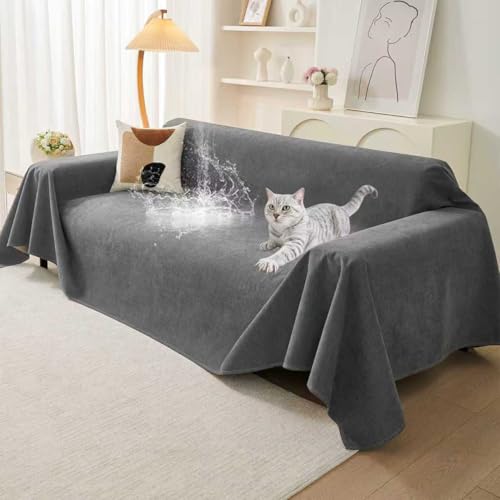
Durable & Scratch-Resistant Fabric: Made from heavy-duty 500D polyester, this couch cover is designed to withstand daily wear from pets, including cat scratching and dog chewing. The tightly woven fabric helps resist damage while maintaining a soft texture for pet comfort.
How Daily Usage Hours Add Up Over Time
Ever wonder why your favorite couch seems to wear out faster than your friend’s? The answer is straightforward: daily usage hours accumulate quickly. When you’re lounging 2 to 3 hours daily, you’re accelerating wear on your seating. Here’s what happens to your couch’s lifespan:
- Higher daily usage compresses cushions faster, reducing support
- Family rooms experience more rapid wear than occasional-use spaces
- Consistent maintenance like rotating cushions extends replacement timing significantly
Usage patterns directly impact durability. Your couch doesn’t sit there passively; it’s working hard absorbing weight and friction. With prompt spill cleanup and regular cushion rotation, you’ll extend its life beyond average expectations. Smart maintenance transforms how long your couch actually lasts, maximizing the value of those comfortable hours.

Premium Walnut Dow Rods: Made from the finest quality black walnut wood, these wood dowel rods offer exceptional strength, straightness, and rich color - perfect for furniture building, joinery, and detailed woodworking projects
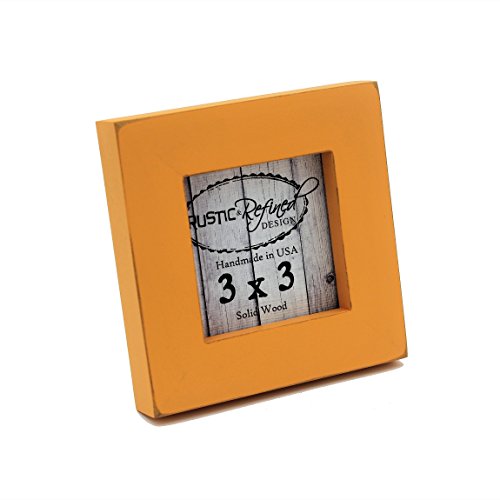
Handmade in America from repurposed solid alder wood.

What You Will Receive: You will receive 10 wooden dowel rods. Enough quantity for your DIY and decorating needs for everyday use
What Pets and Kids Do to Couch Longevity
When you’ve got pets scratching away at your cushions and kids jumping around like trampolines, your couch’s lifespan takes a serious hit. Your furniture deteriorates significantly faster than normal wear and tear would cause. Your furry friends leave behind odor-causing bacteria and stains, while your kids grind debris deep between the cushions and create tears that just keep spreading. When pets and kids team up on your furniture, they don’t just double the damage; they create conditions that can age your couch years ahead of schedule.

HIGH QUALITY – Foamy Foam High Density Upholstery Foam is the best option for Seat Cushion Replacement, Couch Cushion Replacement, Bench Cushion Replacement, and variety of other upholstery projects.

HIGH QUALITY – Foamy Foam High Density Upholstery Foam is the best option for Seat Cushion Replacement, Couch Cushion Replacement, Bench Cushion Replacement, and variety of other upholstery projects.
Wear Patterns From Pets
One of the biggest challenges facing couch longevity isn’t time; it’s the furry and energetic creatures sharing your living room. Your pets contribute to wear in significant ways over months and years.
- Sharp claws scratch fabric and create small tears that spread
- Accidents leave stains and introduce odor-causing bacteria deep into cushions
- Constant jumping and lounging compress cushions faster than normal use
The durability of your couch drops significantly when pets have unrestricted access. Cushions thin out rapidly and frames weaken under the stress. Regular cleaning helps, but it won’t completely prevent the damage. Protective covers offer real protection, yet they’re not foolproof solutions. Understanding these wear patterns helps you choose the right furniture and set realistic expectations for your couch’s lifespan.
Children’s Impact On Durability
If you’ve got kids, your couch faces a whole different level of stress than in a quiet, adult-only home. Children jump on cushions, spill juice, and track dirt everywhere, accelerating fabric wear dramatically. Combined with pets, this compounds damage to frames and springs significantly. Regular disturbances like crumbs and tracked-in debris create stubborn stains faster than you’d expect. While proper maintenance, including prompt spill cleaning, cushion rotation, and targeted repairs, helps protect your investment, it won’t completely offset the higher usage intensity. You’ll notice visible tears, sagging cushions, and persistent odors sooner in households with kids. Replacement conversations often arise within five to seven years rather than ten or more. Understanding this reality helps you prepare financially and choose durable fabrics wisely.
Maintenance Habits That Extend Couch Life by Years
How much longer could your couch last with just a few simple habits? Consistent maintenance significantly extends your sofa’s lifespan. Here’s what’ll make the biggest difference:
- Rotate cushions monthly to prevent permanent indentations and keep wear even across all surfaces
- Vacuum weekly and blot spills immediately to stop dirt buildup and staining that damages fabric
- Fix loose springs and creaking frames promptly to preserve structural integrity before problems worsen
Your cleaning routine is essential. Daily care prevents degradation more effectively than occasional deep cleaning. Shield your upholstery from direct sunlight and moisture since UV and humidity accelerate fading. Consider washable slipcovers on high-traffic areas; they provide significant protection. These prompt repairs and fabric care practices extend your couch’s life by years, keeping it looking good and feeling comfortably supportive.

Product Size: Premium Faux Linen Fabric by the Yard, available in 1/2/5 yard options and multi vibrant colors. Featuring 1mm thickness and 58-inch wide design, perfect for various crafts and home decor applications.

Faux Suede 100 Percent Polyester Microsuede fabric offers the ultimate in a rich and luxurious look and feel and 60 inches width and Weight per yard 13 Oz +-10Percent

Content : 100% Polyester
Location and Climate: How Environment Affects Durability
Where you place your couch significantly impacts its longevity. Sunlight and UV exposure are critical factors for durability. When you position your sofa away from direct sun and windows, you’re protecting it from damage that weakens fabrics and fades colors over time.
Temperature swings and humidity affect furniture durability. They can warp your wooden frame and break down cushion support. That’s why maintaining a stable living room climate with proper ventilation and consistent temperatures is important.
A practical solution is to hang window coverings during peak afternoon hours. This shields your furniture from harsh rays. By controlling your room’s environment, you can extend your couch’s lifespan by several years. Location is a significant factor in furniture longevity.

Ultra Soft & Protective: LOIION's couch cover blends cloud-like softness with reliable scratch resistance for families with kids and pets. No more choosing between loving your feline friend and saving your furniture. Relax like you're on a cloud while your cat plays freely on the couch

Home Defender Pro - Keep your furniture protected from scratches, chewing and potty accidents - absorbs way more moisture than regular throws. Trusted by multi-pet households, from teething puppies to incontinent senior dogs

ULTIMATE PROTECTION FOR PET OWNERS: Protect your couch from pet hair, muddy paws, scratches, spills, stains, and everyday wear. Designed for dog and cat households, this pet couch cover helps extend the life of your furniture while keeping it clean and comfortable.
When Your Couch Has Reached the End of Its Lifespan
Even the best-loved couches eventually show their age, and recognizing those telltale signs is key to deciding whether it’s time for a replacement.
Watching for specific wear and tear indicators helps you catch problems early. Look for:
- Sagging cushions and frame wobble that don’t bounce back anymore
- Upholstery deterioration like tears, stains, or fading that bothers you daily
- Structural issues where repairs cost more than replacing makes sense
Your usage level really matters here. With kids and pets, that seven-to-fifteen-year replacement guidance shrinks considerably. Check whether your couch still feels comfortable and supportive. If it’s not serving your family well, replacement is likely the right choice.
When your couch stops meeting your needs, it’s time to replace it.
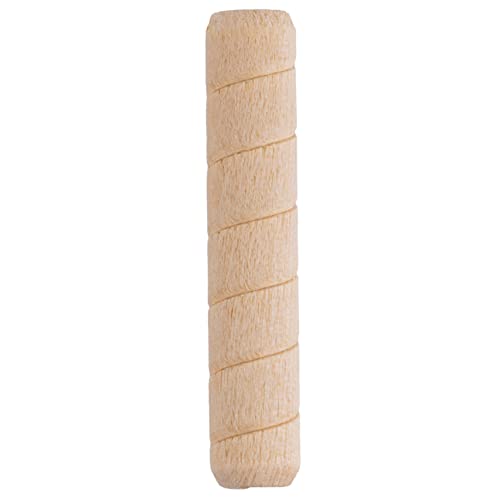
Overall Size: 3/8" Diameter x 2" Long. The package contains 50 dowel pins approximately.

Repair vs. Replace: Making the Financial Decision
When should you sink money into fixing your couch versus buying a brand-new one? Checking your warranty length gives you essential clues about durability. If you’re dealing with minor cosmetic wear, repair makes sense, but structural issues like wobbling frames or broken springs signal replacement time.
Calculate your cost-per-year by dividing the original price by years owned. High-use households with kids and pets hit that breakeven point faster, making replacement the smarter move. A well-made sofa with a hardwood frame and quality cushions can last 10+ years, so consider targeted repairs first. Look for modular components you can swap out; that selective replacement approach saves serious cash.

[Curved to Hold, Sagging Controlled] HAVARGO loveseat cushion support is developped to improve sagging loveseat sofa seats so they become supportive as new. Our love seat cushions are measured 24*24 inches with a thickness of 2.4 inches in the middle and 1.2 inches on the edge, our cushion support is made of high-density foam that provides exceptional stability for your couch cushions.

HIGH QUALITY – Foamy Foam High Density Upholstery Foam is the best option for Seat Cushion Replacement, Couch Cushion Replacement, Bench Cushion Replacement, and variety of other upholstery projects.

LONG-LASTING SUPPORT - Our sofa support for sagging cushions targets couch cushion sagging issues, effectively eliminating sag and collapse on sofas/armchairs from prolonged use. This sagging couch support under cushion adds extra cushioning support for drooping seats, restoring stable support and comfort for all-day cozy sitting.