I’d say yes, you absolutely need a rug pad. It prevents your rug from sliding and bunching on hard floors, protects your flooring from scratches and dents, and adds cushioning for barefoot comfort. Plus, it traps debris underneath, making cleaning easier and extending your rug’s lifespan.
Without a pad, friction wears down both surfaces, creates trip hazards, and diminishes protection.
The right pad significantly improves functionality for any room, and selecting one suited to your specific flooring type ensures maximum benefit.
What Is a Rug Pad?
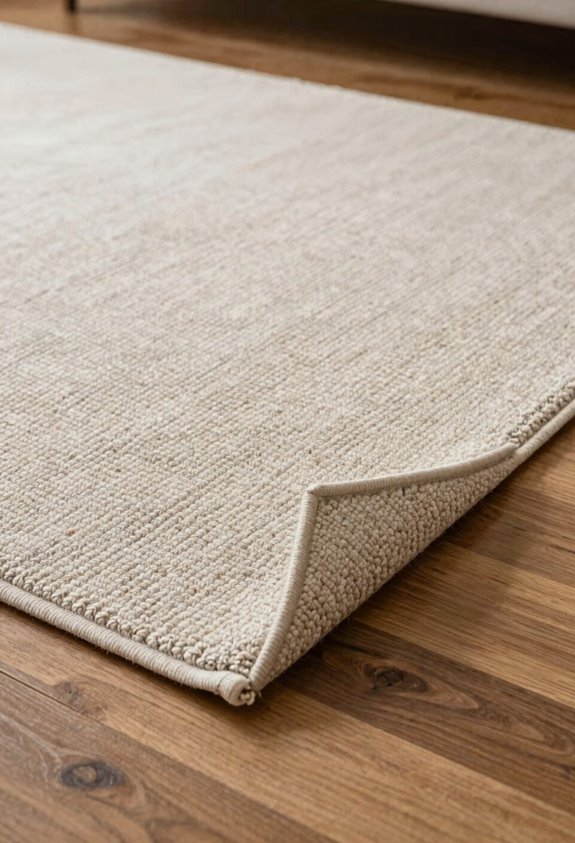
What Is a Rug Pad?
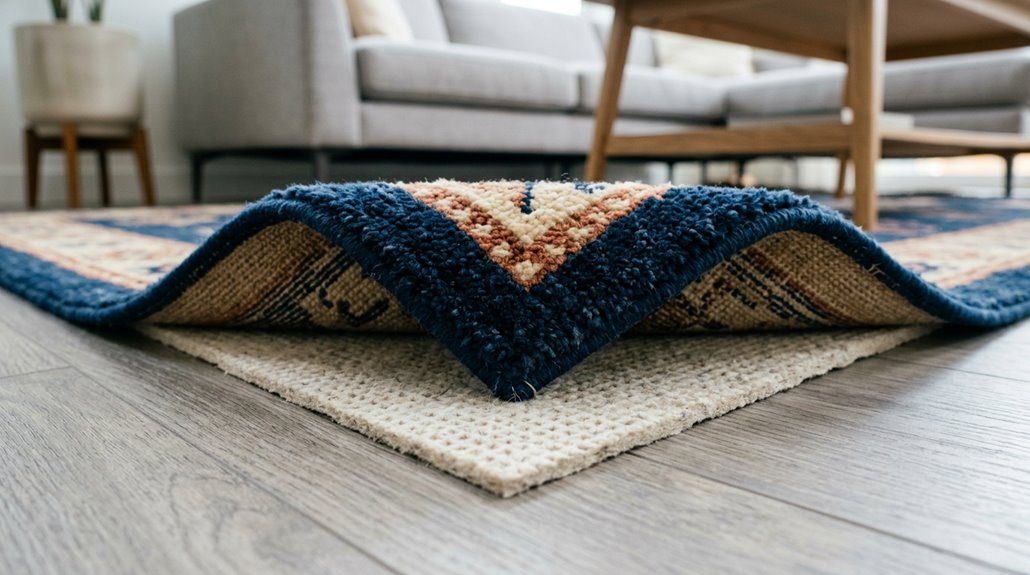
A rug pad is the unsung hero sitting between your rug and floor. This non-slip pad keeps your rug anchored in place, preventing sliding on hard surfaces. Beyond grip, the pad offers extra cushioning underfoot, making your steps softer and more comfortable. It protects your floors from scratches and dents caused by rug movement.
These pads boost insulation and sound absorption throughout your space. They even help trap dust during cleaning. Rug pads extend the lifespan of both your rug and flooring while reducing maintenance costs and potential floor damage.
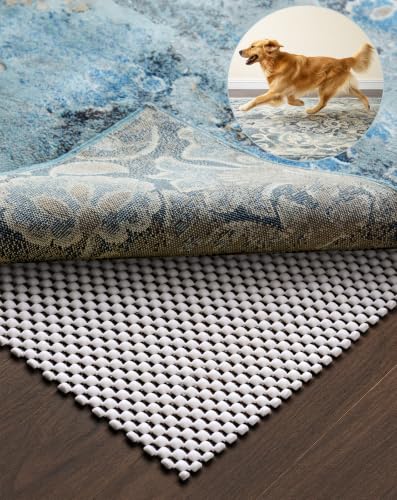
Non-slip Protection: Our pad's signature grip keeps rugs securely in place, preventing bunching and sliding during daily use. It also protects your floors from wear and tear, including damage from high heels, children at play, and more.

THE ORIGINAL EXTRA STRONG GRIPPER: our trusted Gorilla Grip nonadhesive rug pads offer a unique, dual sided grip that firmly holds onto both the rug pad and your hard floor to help prevent rug movement
Five Real Benefits: Why Rug Pads Protect Your Home
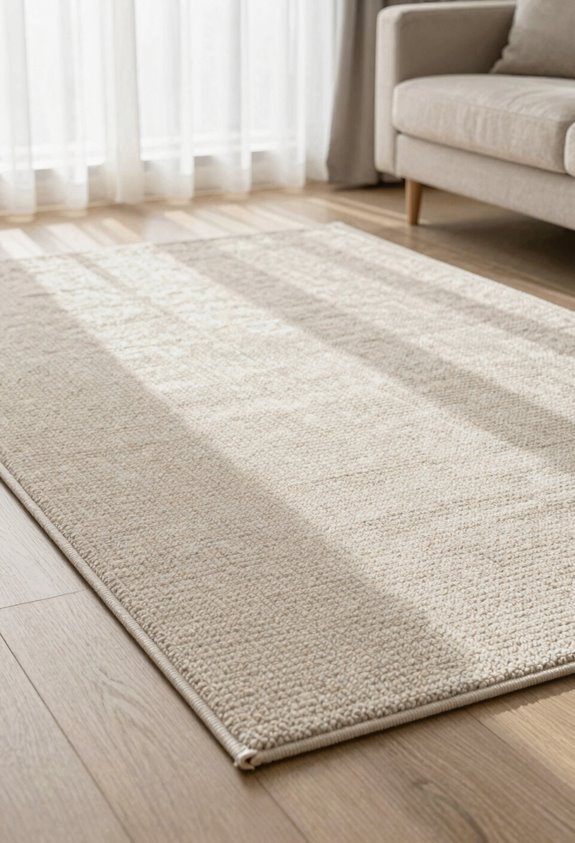
Why do so many people overlook something as simple as a rug pad. These cushioned layers, like the Premier Pad at 1/4 inch thick, provide significant protection. First, they keep your rug from sliding and bunching on hard floors, which maintains a polished appearance. Second, rug pads provide essential floor protection by reducing friction that scratches and damages your flooring. Third, they trap dirt and debris underneath, preventing them from grinding into your surfaces. Fourth, the airflow between your rug and floor extends your rug’s lifespan significantly. Finally, they make cleaning easier. When you invest in quality rug pads, you’re investing in your home’s longevity and beauty.

NON-SLIP GRIP FOR SAFETY: Durable latex rubber backing prevents slipping, sliding, bunching, and wrinkles on hardwood, tile, carpet, or any floor—superior hold compared to basic foam pads for everyday use.

PLUSH FELT CUSHION: Choose from three thickness options - 1/4", 3/8”, and 1/2" - offering various levels of a soft feel underfoot, sound absorption, insulation, and extra comfort for your area rugs in busy spaces.
NON-SLIP GRIP FOR SAFETY: Durable latex rubber backing prevents slipping, sliding, bunching, and wrinkles on hardwood, tile, carpet, or any floor—superior hold compared to basic foam pads for everyday use.
The Cost of Skipping a Rug Pad: What Actually Happens
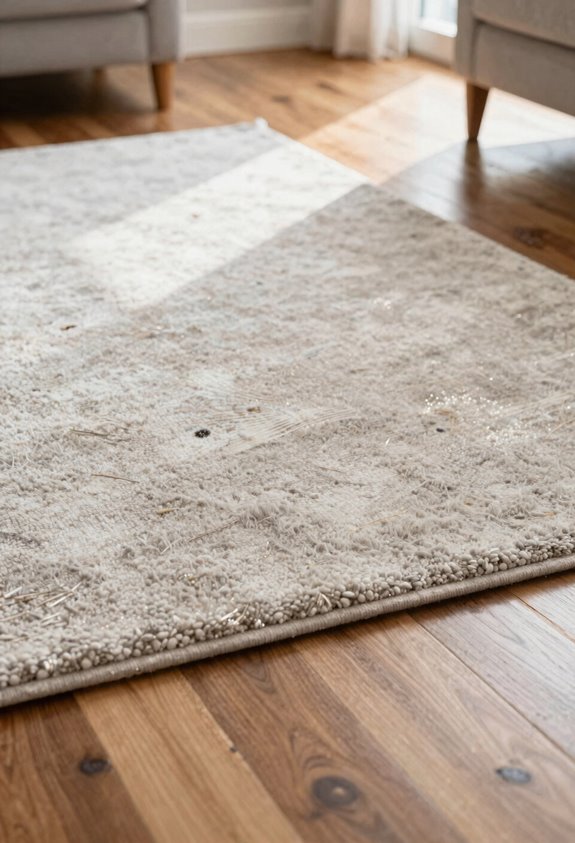
Imagine walking across your living room and suddenly tripping over a curled rug edge. That’s just the beginning of what happens when you skip a rug pad. Without one, your rug and floor experience serious wear and tear. Direct friction accelerates damage to both surfaces, while constant movement grinds dirt into fibers and scratches your floor. High-traffic areas deteriorate fastest, dramatically shortening your rug’s lifespan.
| Problem | What Happens |
|---|---|
| Bunching edges | Creates trip hazards and messy appearance |
| Floor damage | Scratches and dents from trapped debris |
| Rug shifting | Debris accumulates underneath, reducing cleaning effectiveness |
A rug pad provides essential protection for both your floors and rug. It prevents surface scratches, reduces fiber deterioration, and extends your rug’s usable life by years.
PLUSH FELT CUSHION: Choose from three thickness options - 1/4", 3/8”, and 1/2" - offering various levels of a soft feel underfoot, sound absorption, insulation, and extra comfort for your area rugs in busy spaces.

Helps Prevent Rug Slippage: Designed with a unique high-density cross-bar texture and silicone backing, this carpet underlay provides a powerful anti-slip grip. Keeps area rugs securely in place, preventing sliding, bunching, and wrinkling.

NOT NON-SLIP - This pad is meant for use with rugs anchored by furniture or heavy rugs that stay in place on their own. For non-slip applications, try one of our felt and rubber options.
Hardwood Flooring: Do You Need a Pad?
Hardwood Flooring: Do You Need a Pad?
Hardwood floors are beautiful, but they’re also vulnerable to damage. A rug pad underneath your rug is essential for protecting them. Without one, you risk scratches, dents, and wear from friction and trapped dirt that will damage the finish.
Hardwood floors need rug pads to prevent scratches, dents, and wear from friction and trapped dirt that damages the finish.
Rug pads also prevent your rug from slipping and bunching, which increases safety and stability. The added cushioning makes walking barefoot more comfortable.
For hardwood, felt-rubber combo pads balance grip and protection effectively. Choose a pad about 1–2 inches smaller than your rug. This keeps edges flat and prevents curling, which preserves your floors over time.
Helps Prevent Rug Slippage: Designed with a unique high-density cross-bar texture and silicone backing, this carpet underlay provides a powerful anti-slip grip. Keeps area rugs securely in place, preventing sliding, bunching, and wrinkling.

Elegant Floral Rug: This 8x10 area rugs vintage-inspired botanical rug blends rich dark greens, vibrant and delicate floral complements any decor style, from vintage and bohemian to farmhouse and modern. Perfect rugs for living room, bedrooms, dining room rugs for under table, entryways, kids' playrooms, or home offices, it adds warmth and charm to any space. Both durable and stylish, it withstands high-traffic areas while maintaining a cozy, inviting appeal

Pile: Polypropylene - Backing: Cotton - Weave: Machine Made (Power-Loomed) - Made in: Turkey
Laminate, Tile, and Carpet: Floor-by-Floor Protection Guide
Rug pads protect three common flooring types in your home: laminate, tile, and carpet. Each floor has its own protection needs, and specific solutions exist for each one. Laminate requires protection from moisture and stains, tile presents slipping hazards, and carpet tends to bunch and shift. The right rug pad prevents damage to both your floors and rugs. This guide breaks down what works best for each surface so you can select the appropriate pad for your space.

Safe & Non-toxic: The pet natural sisal cat scratching mat, for one, is environmentally and cat-friendly. It has not been treated with any harsh oils, chemicals, or other substances which may harm your cat or the environment around it.

Premium Natural Sisal Mat: Crafted from tightly woven, natural sisal, this scratching pad resists the sharpest claws. Highly durable and pet-friendly, it provides an ideal surface for your indoor cats to scratch, stretch, and play all day.

Non-slip Protection: Our pad's signature grip keeps rugs securely in place, preventing bunching and sliding during daily use. It also protects your floors from wear and tear, including damage from high heels, children at play, and more.
Laminate Flooring Protection Needs
Why does laminate flooring need special care under your rugs? Your laminate flooring is a synthetic surface that imitates beautiful hardwood, but it’s actually quite vulnerable. Without a quality rug pad, friction from your rug can cause serious wear and damage. Using a laminate-specific rug pad will protect your investment, making it one of the most practical choices available.
These engineered pads prevent staining and finish stripping while keeping your rug securely in place. You have two main options: rubber or non-rubber pads, including soybean oil-based varieties that balance grip and protection. A proper rug pad significantly reduces scuffing and slippage, safeguarding your laminate’s finish. Protect your floors with quality rug pad protection.
Tile, Stone, And Carpet
While laminate flooring demands specific pad protection to avoid finish damage, tile and stone floors face their own unique challenges that rug pads address effectively. You’ll want felt, felt-and-rubber, or natural rubber options for tile and stone floor protection because they secure your rug and guard against surface scratches. These pads prevent slipping and misalignment, which means fewer trip hazards and no annoying edge curling. The damaging risk without a pad rates medium, yet pads provide foundational support and grip.
| Floor Type | Best Pad Material | Main Benefit |
|---|---|---|
| Tile/Stone | Felt or Natural Rubber | Slip Prevention |
| Carpet | Carpet Lock (Felt-Rubber) | Stops Shifting |
| Laminate | Rubber or Non-Rubber | Prevents Staining |
Carpeted floors deserve attention too. Carpet Lock pads stop shifting, bunching, and friction-based wear.
Felt, Rubber, or Combination: Which Pad Matches Your Priorities?
When you’re picking out a rug pad, consider what matters most to you, because your choice between felt, rubber, or a combination really comes down to your priorities. If you want cloud-like softness underfoot and you have carpet or other forgiving floors, felt pads provide comfort. If you need serious grip on slippery tile or hardwood, or you want a pad that will stay put through years of foot traffic, rubber delivers durability. Combination pads offer the middle ground, providing both cushioning and anti-slip protection.
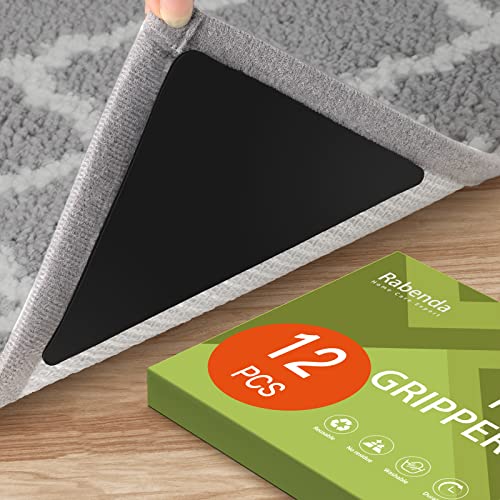
Advantaged Triangle Design: The Triangle Design grippers for area rugs and hardwood floors will maximum increase the contact surface. The strong adhesion will help stick firmly and keep your area rugs in place. Moreover, the rug stickers for wood floors will prevent the rug corners and edges curling and always keep your rugs steady and safe

STRONG NON-SLIP GRIP: Designed with a powerful double-sided grip, this rug pad effectively secures your carpet, preventing slipping, bunching, or shifting. Whether in high-traffic areas or for daily use, it keeps your carpet flat and stable, providing a safer experience.

Unique Design: Do you still worry about the traditional glue rug tape harm your floor ? This gripper uses VACUUM TECH design which grips hard smooth floors firmly and easily, this design can protect your floor perfectly as no glue used on floor. But it does not work for rug on carpeted floor. It does not work for rubber backed rug ,jute rug or fluff backing rug.
Felt Pad Benefits And Uses
The magic of a great rug pad lies in matching the right material to what matters most to you. Felt pads deliver comfort underfoot while protecting your floors from damage. Felt pads cushion your feet with a plush, soft feeling when you walk across your rug. They reduce slipping, especially when paired with a rubber or combination layer for extra grip. On laminate, tile, or stone floors, felt pads prevent staining and finish stripping that can happen over time. Your rug stays put better, and you’re protecting your investment. Felt rug pads work well whether you prioritize a cozy underfoot sensation or need reliable floor protection.
Rubber Pad Grip And Durability
Rubber pads deliver superior grip on hard floors like laminate, tile, and stone. They keep rugs firmly in place while reducing wrinkling and bunching.
Rubber pads resist compression even in high-traffic areas, maintaining their grip strength through years of footsteps. You’ll notice immediate stability when walking across your rug. These pads won’t wear out quickly or lose their non-slip performance over time.
A quality rubber pad transforms your space into a secure, stable area. Your floors and furniture will benefit from the added protection and durability.
Combination Pads For Balanced Protection
Why settle for just cushioning or just grip when you can get both. Combination pads deliver the ultimate protection you’re looking for.
A felt-rubber combo transforms your rug experience:
- Plush comfort underfoot – The felt layer cradles your feet while reducing friction that wears down fibers
- Superior floor safety – Rubber anchors your rug firmly, preventing dangerous slips in high-traffic zones
- Versatile installation – Some reversible designs let you customize cushioning or grip based on your floor type
You’re getting balanced protection without compromise. Whether you’ve got hardwood or carpet, a quality rug pad with this felt-rubber combo keeps your floors safer while extending your rug’s lifespan. This combination protects your investment by improving both comfort and durability.
Size and Thickness: Getting the Fit Right
Once you’ve chosen your rug, sizing your pad correctly is essential for keeping it secure and your space looking polished. Position your pad 1 to 2 inches inside the rug edges. This keeps those corners from curling up and creates that finished look.
For pad thickness, match your space to your needs. Thin pads (under 1/4 inch) work great in busy hallways where you need minimal height. Medium pads (about 1/4 to 1/3 inch) are versatile and handle most situations well. Thicker pads (over 1/2 inch) provide substantial comfort in barefoot areas.
Measure doorways and furniture clearances before installation. This prevents tripping hazards and height issues that could disrupt your flow. Most pads are scissors-cuttable, so irregular shapes aren’t a problem.
NON-SLIP GRIP FOR SAFETY: Durable latex rubber backing prevents slipping, sliding, bunching, and wrinkles on hardwood, tile, carpet, or any floor—superior hold compared to basic foam pads for everyday use.
NON-SLIP GRIP FOR SAFETY: Durable latex rubber backing prevents slipping, sliding, bunching, and wrinkles on hardwood, tile, carpet, or any floor—superior hold compared to basic foam pads for everyday use.

Upgraded Cushioning and Grip: Unlike other pure felt pads, our pad has a durable natural rubber backing to increase gripping and durability. 1/4" thick felt forming a dense, cushioned surface, aims to make your rugs cozier and provide extra comfort underfoot, even the thinnest rugs can feel soft and comfortable. Dense fibers surface securely holds rugs in place without bunching, while offering noise reduction and insulation
Why DIY Tape and Shelf Liners Fall Short
I’ve tried the DIY route myself: double-sided carpet tape, shelf liners, and silicone caulk. These shortcuts don’t hold up. While they seem budget-friendly initially, they leave sticky residue on your floors, compress over time so they lose grip, and lack the specialized airflow and cushioning that real rug pads deliver. When I switched to a purpose-built pad, I noticed an immediate difference. My rug stayed put, my floors stayed protected, and I didn’t have to worry about damage when it came time to move things around.

【 Waterproof Rug Pad】--Felt + Waterproof TPR carpet pad for all types of carpeting. The rough fabric of the felt top layer grips the carpet tightly to prevent it from curling and crawling, while the non-slip backing prevents the carpet from slipping in any direction.
NON-SLIP GRIP FOR SAFETY: Durable latex rubber backing prevents slipping, sliding, bunching, and wrinkles on hardwood, tile, carpet, or any floor—superior hold compared to basic foam pads for everyday use.
Residue And Damage Risk
Have you ever peeled off a piece of double-sided carpet tape, only to find sticky residue clinging stubbornly to your hardwood floor? DIY tape solutions create real problems that purpose-made rug pads simply don’t have. When you skip the proper rug pad, several issues occur:
- Sticky residue damages your floor’s finish, requiring intensive scrubbing or professional refinishing
- Adhesive breaks down unevenly, leaving some edges secure while others curl dangerously
- Removal attempts can strip away wood stain or scratch delicate surfaces permanently
A quality rug pad protects your floors completely while keeping your rug exactly where you want it. Unlike risky tape alternatives, manufactured rug pads grip without damaging, providing reliable floor protection and a secure rug placement.
Performance Limitations Compared
Why do so many people reach for double-sided tape or shelf liners when they need to secure a rug, only to regret it later? These DIY fixes simply don’t deliver the performance you need. Tape and liners fail to provide consistent slip resistance across high-traffic areas, which means your rug keeps moving no matter how hard you try. A real rug pad features dual-sided construction with felt and rubber layers that work together effectively. Unlike tape, which loses grip over time, purpose-built rug pads maintain their anti-slip properties day after day. You won’t experience the frustrating bunching or creeping that happens with shortcuts. When you choose a proper rug pad, you’re choosing a solution that prevents rug movement and floor damage.
Professional Manufacturing Advantages
Professional rug pads are manufactured with precision that DIY solutions simply can’t match.
Compare a professionally engineered rug pad to that roll of double-sided tape sitting in your junk drawer. The difference is striking.
What sets them apart:
- Uniform density and durability – Manufacturing ensures consistent cushioning throughout, while tape bunches and shelf liners shift unpredictably
- Tailored materials for your floors – Felt, rubber, or blends are engineered specifically for your floor type and rug weight, delivering reliable anti-slip performance
- Ready-to-install precision – Pre-cut pads eliminate gaps and edge lift that plague improvised solutions
You’re investing in engineering excellence that protects your floors, extends your rug’s life, and maintains superior airflow. Professional pads prevent floor damage, reduce rug deterioration from movement, and allow floors to breathe properly.
High-Traffic, High-Stakes Spaces: Where Pads Are Non-Negotiable
When you’ve got people constantly moving through your home, kids running to school, guests arriving for dinner, you shuffling between rooms, your rug takes a beating. That’s where rug pads become essential. In high-traffic areas like entryways and kitchens, a quality rug pad isn’t just nice to have; it’s necessary for safety and longevity. The pad grips your floor firmly, preventing dangerous curling and shifting on tile or laminate surfaces that could trip you or loved ones. It cushions every footstep, reducing wear and friction that would otherwise destroy your rug quickly. Plus, the pad traps dirt, making vacuuming easier without your rug bunching up. You’re protecting an investment while creating a safer, cleaner home for your family.
NOT NON-SLIP - This pad is meant for use with rugs anchored by furniture or heavy rugs that stay in place on their own. For non-slip applications, try one of our felt and rubber options.

[DESIGN & PILE]: SAFAVIEH's Hudson Shag rug sets a Moroccan diamond lattice in multi ivory over beige, and its 1 3/4" pile is deep, plush and fluffy underfoot in a living room, bedroom or dorm room.

[COLOR & DESIGN]: SAFAVIEH's Monaco area rug showcases a distressed traditional medallion pattern in grey tones with light blue accents; actual color may appear darker or lighter than shown, depending on lighting and screen settings.
Installing Your Rug Pad: A Quick Setup Guide
The beauty of a rug pad is that you don’t need any special tools or expertise to get it right. Just follow a few simple steps and you’re done.
Installation involves three straightforward actions:
- Measure and trim your pad to sit 1–2 inches inside your rug edges for a secure, wrinkle-free fit
- Position it carefully under your rug to reduce slipping and bunching on hard surfaces
- Feel the immediate difference as cushioning improves underfoot comfort while protecting your floors from scratches
Once your rug pad installation is complete, your rug will stay in place. The pad reduces floor scratches, extends rug lifespan, and adds cushioning underfoot. These practical benefits make it a worthwhile investment for any room.

[Trimmable Cat Scratch Mat ]: The cat scratch sofa protector can be used on various surfaces, such as wood, plastic, glass, cotton and linen fabrics, leather, etc. You can freely cut it into any shape according to the actual size you need. You can DIY various cat climbing frames, wooden cat trees, cat towers, sofas, walls or other furniture. Cat scratching post replacement, cat scratch carpet protector, cat tree replacement post, DIY climbing cat scratcher, stick on cat scratching pads.

Extra Thick & Protective: Our bike trainer mat is 6mm thick, which is 50% thicker than other mats on the market, providing superior cushioning to safeguard your floors from scratches or impact damage during intense workouts.

【Waterproof Rug Pad for Vinyl Plank & LVP Floors】 Crafted with dense felt and a waterproof rubber backing, this pad acts as a reliable barrier against spills and accidents. Unlike standard pads, it helps block pet urine or liquid from seeping into your subfloor, keeping your hardwood, laminate, and luxury vinyl plank (LVP) floors dry and free from staining. Note: The felt surface is absorbent; promptly wipe up spills to avoid saturation.
Finding Quality Pads and Making Your Purchase
Where do you find the perfect rug pad for your space? Shop directly from trusted rug pad manufacturers who design products specifically for floor protection. These quality pads come in various materials: felt, rubber, and felt-rubber combos, depending on your floor type. You’ll discover options tailored for laminate, tile, stone, or carpet surfaces, each offering excellent grip and cushioning benefits.
When making your purchase, check product descriptions carefully. Look for pads that match your rug dimensions and floor needs. Purpose-made rug pads are shipped throughout the USA, making ordering convenient. Unlike DIY alternatives like double-sided tape or silicone caulk, authentic rug pads avoid staining while delivering superior durability. Investing in quality floor protection saves money long-term by extending your rug’s lifespan significantly.