
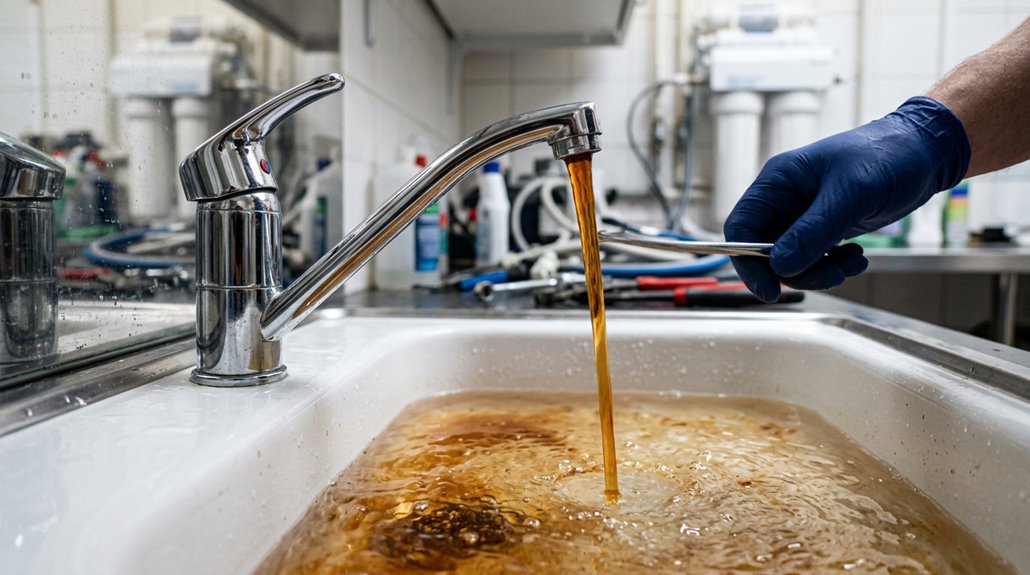
Brown water is fixable. First, check if it’s just one fixture or your whole house, because that changes everything. If only hot water is brown, your water heater needs flushing.
For localized problems, unscrew and clean your faucet aerator. Most importantly, run cold water for 15-30 seconds to flush out iron oxide buildup from overnight stagnation.
These quick fixes work well, and you can discover exactly which solution matches your specific situation.
Diagnose First: One Fixture or Your Whole House?
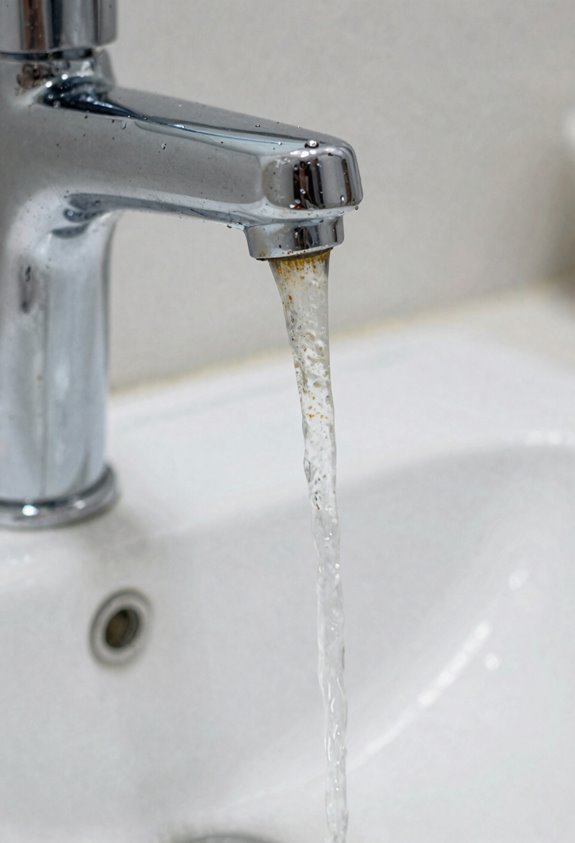
Why is brown water coming out of just one faucet while the rest of your home runs crystal clear? One fixture with brown water indicates a localized problem, not a system-wide issue. Rust fragments or sediment are trapped in that specific supply line or faucet aerator. Start by unscrewing your faucet aerator and cleaning it thoroughly. Debris commonly builds up there. If brown water persists after flushing, suspect galvanized piping corrosion or sediment near your water heater connection. Check that fixture’s mixing valve too. A single outlet problem usually stays contained, making it easier to fix than whole-house discoloration. When cleaning doesn’t work, professional diagnosis of your branch line becomes necessary.

Better tasting water: Enjoy cleaner, great-tasting water with every pour; this faucet mount water filter system features a genuine PUR Plus Filter with advanced 3-in-1 filtration technology
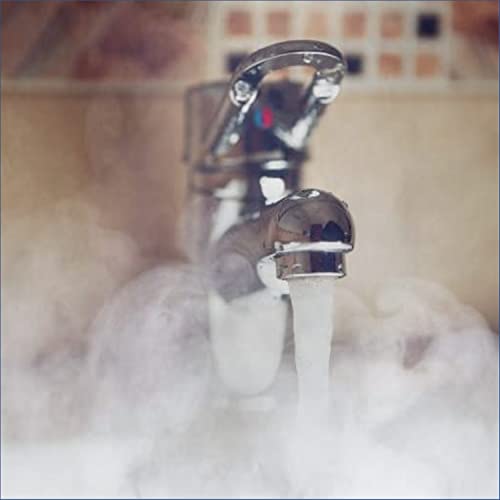
Why Only Your Hot Water Turns Brown
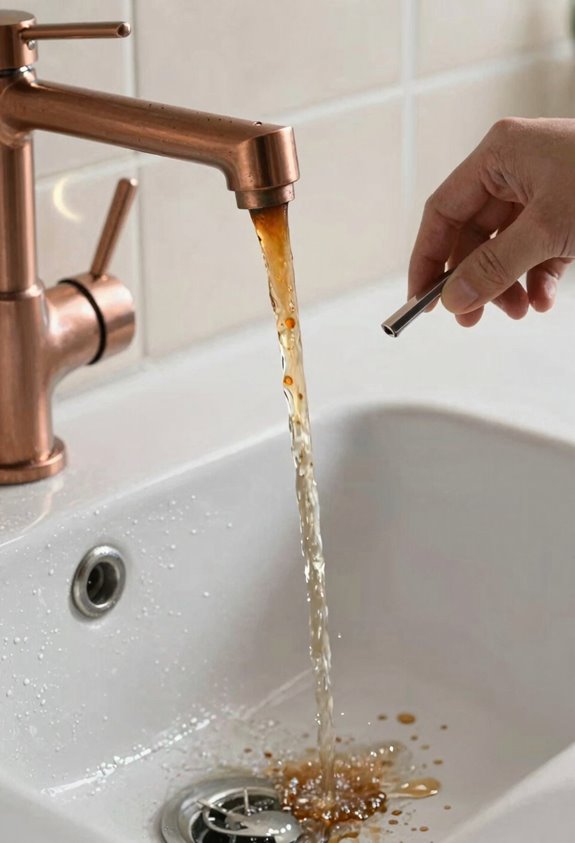
If you’ve narrowed down your problem to just one fixture, consider this scenario: what if only your hot water is coming out brown while your cold water runs perfectly clear. That rusty water indicates sediment and minerals settling at the bottom of your tank. When you heat water, those particles stir up and travel through your pipes. An exhausted anode rod or internal tank failure accelerates corrosion, sending iron oxide particles into your hot water supply. Flushing your water heater tank removes accumulated sediment and restores clear water. Do this at least annually. If brown water persists after flushing, your heater needs inspection or replacement to prevent recurring corrosion issues.
Delicious Flavored Decaf Coffee Pods: Blueberry Cobbler Blueberry Cobbler flavored coffee is reminiscent of fresh, sweet blueberries blended with warm, spicy cinnamon and brown sugar crumb topping with a touch of vanilla on top. This delicious coffee is great for any time of day, but we have a feeling it will become your go to dessert coffee! This coffee is delicious both iced and hot and makes a great dessert coffee.


EPA REGISTERED SERUM: The hot tub in your backyard holds a deep connection and place in your family. It deserves its showers too. Forget about cleaning your hot tub with many different products when our serum is what you only need. For your tub's weekly maintenance, use this highly regarded EPA registered serum that doesn't fall under the oxidizer/sanitizer category.
First-Draw Brown Water: Why It Clears Fast
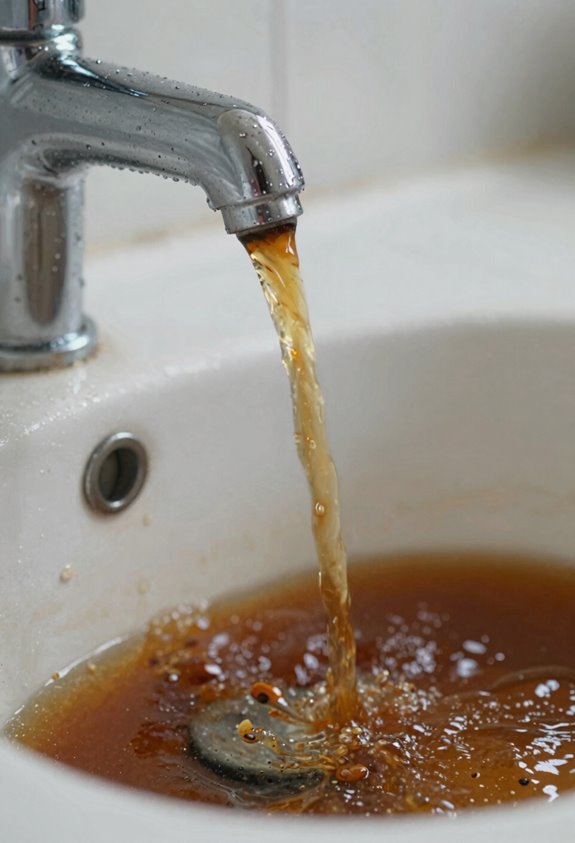
When water sits in your pipes overnight, it acts like a magnet for rust and sediment. You’ll notice brown water on your first draw, but running your faucet for just 15–30 seconds flushes out that discolored stuff and reveals crystal-clear water underneath. The initial flow is powerful enough to push all that iron oxide buildup right out of your in-home galvanized steel lines, and then fresh water moves in to replace it. If the brown water clears quickly after that short flush, you have typical first-draw corrosion, which indicates your pipes are experiencing normal oxidation rather than a serious plumbing problem.

Multi-Size Heavy-Duty Design for Versatile Aerator Removal:Our 10-in-1 tool is tailored to fit 7 concealed threaded aerator sizes (TF, M16.5, M18.5, M21.5, M24, SLIM AIR M24), 2 cut-edge housing sizes (M24, M28), and 1 round housing size (M22). Compatible with most aerators on the market, it turns tedious maintenance into a quick, hassle-free task.

【Heavy-Duty & Multi-Size Design】Our 10-in-1 aerator removal tool fits 7 sizes of concealed threaded aerators (TF, M16.5, M18.5, M21.5, M24, SLIM AIR M24), 2 sizes of cut-edge housing aerators (M24, M28), and 1 size of round housing aerators (M22),Compatible with most faucet aerators on the market, this tool makes maintenance tasks quick, easy, and hassle-free.

[Quality Material] This metal 10 in 1 faucet aerator key removal wrench tool is made of high-quality zinc alloy material, which has excellent performance, wear resistance, and corrosion resistance; Ensure that the tools are hard and not broken, providing long-lasting and reliable performance for all your aerator disassembly needs.
Overnight Stagnation Effects
After your pipes sit idle overnight, that disappointing brown water flowing from your faucet tells an important story. When water stagnates in your galvanized pipes or water heater, iron oxide accumulates on the interior surfaces, creating rust and sediment buildup. Once you turn on the tap, that first-draw water pushes out the accumulated sediment almost immediately. You’ll typically see the discoloration vanish within 15–30 seconds as fresh water replaces the settled particles. This overnight stagnation pattern is completely normal with aging pipes. Run cold water from all your fixtures for several minutes after that initial burst to fully flush standing water and corrosion debris from your entire system.
Flushing Duration And Results
How quickly does that murky water disappear once you flip the tap? A brown water flushing duration of just 15–30 seconds typically clears the initial draw color completely. When you run cold water, you’re essentially performing a water discoloration test that flushes out sediment from your rusty pipes and water heater tank.
If that brown water vanishes fast, your hot water heater sediment is the culprit, not your whole distribution system. However, run a longer water discoloration test for about 20 minutes to rule out persistent brown water from cathodic corrosion or broader pipe damage. This cold water flush confirms whether you’re dealing with localized stagnation or something requiring professional help. This simple test can identify problems before they become expensive repairs.
Clean Faucet Aerators and Showerheads Before Calling a Plumber
I’m going to show you the simplest fix that often works. Rust fragments trapped in aerators or showerhead screens are frequently the culprits behind brown water. You’ll remove the aerator or showerhead, rinse it under running water, and use a small brush to dislodge all that sediment. This takes about five minutes and costs nothing. Once you’ve cleaned and reassembled everything, test your water to verify the improvement and avoid a costly plumber visit.

UL Verified V699054 for heat & pressure: Verified for safety and reliability under high temperature and pressure conditions

WATER HEATER SEDIMENT REMOVAL TOOL – The Sediment Gone hot water heater flush kit is designed to stir, loosen, and flush out stubborn sediment buildup from the bottom of your water heater tank by actively breaking up compacted sediment while draining.
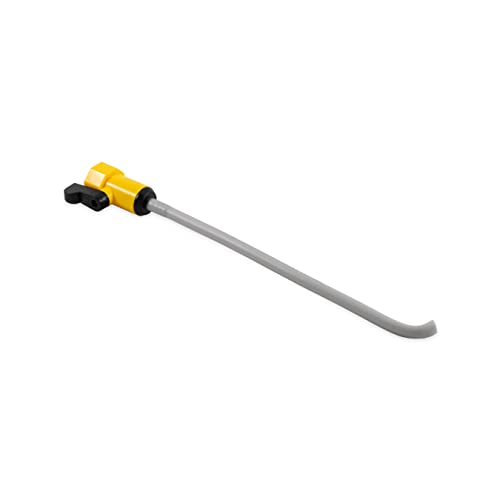
Extends the Life of Your Water Heater: The tank rinser lifts sediment that collects at the bottom of water heaters and flushes it out. This Camco RV accessory is compatible with residential and camper water heaters.
Remove and Inspect Aerators
When brown water flows from just one faucet or showerhead, you’ve found a major clue. You might fix it yourself in just a few minutes.
Start by unscrewing your faucet aerator or showerhead screen. Look closely for rust particles and sediment trapped inside. These particles cause that brown water discoloration. Rinse the screen thoroughly under cold water, flushing away debris and rust fragments.
Reassemble everything, then run cold water through that fixture for several minutes. If the brown water disappears, you’ve solved the problem. If discoloration persists, you’re likely dealing with pipe corrosion deeper in your branch-line. This situation requires professional inspection and potential replacement.
Clean Showerhead Screens Thoroughly
Once you’ve inspected that aerator and noticed brown particles trapped inside, continue with your showerhead screen. Remove your showerhead and soak it in white vinegar for thirty minutes to dissolve mineral buildup and rust particles. Then scrub the screen gently with an old toothbrush, flushing away sediment trapped in those tiny holes. This fixture-specific issue often disappears after thorough cleaning. Once reassembled, run cold water for several minutes to observe whether water discoloration improves. If your showerhead’s aerator still shows buildup, repeat the process. Addressing sediment at its source ensures fresher water flows through your faucet immediately.
When to Flush Your Water Heater Tank
To keep your water heater running efficiently, flush that tank at least once a year. Brown water coming from your faucet often signals sediment buildup inside your water heater tank.
- Cool the water completely to avoid hot spills, then attach a hose to the drain valve
- Run cold water from your nearest hot-water faucet for 15–30 seconds to steady the flow
- Drain the tank until water runs completely clear of color and debris
If you notice persistent discoloration after flushing, call a professional. Regular water heater maintenance, like checking your anode rod, prevents future sediment problems and keeps your water crystal clear.

Fit and Specifications: Each cut off wheel measures 4-1/2 x 0.045 x 7/8 inches (115 x 1.2 x 22.2 mm) and fits compatible 4-1/2 inch angle grinders. Rated for operating speeds up to 13,300 RPM.

cut off w7 inch cut off wheel: 20PCS 7” x 1/16” x 7/8” metal/stainless steel cut-off wheel is specially formulated for fast cutting in metals and stainless steel

Powerful Cleaning Action: This copper tube brush removes dirts, oxides, and buildup from inside and outside pipes, leaving them smooth and shiny for excellent welding preparation.
Brown Water at All Fixtures: You Need a Plumber
Contact a licensed plumber immediately for a plumbing inspection and pressure test. They’ll sample your water and pinpoint whether the problem is in the service line, main, or interior plumbing. Temporary flushing might provide short-term relief, but persistent discoloration requires professional assessment. You may need re-piping with copper piping or PEX piping to resolve the issue permanently.


Efficient Package: you will get 2 pieces of water absorbent diatomite coasters, which adopt grooved design and light brown wood grain style, and thoughtfully come with 8 pieces of non-slip pads for heightened stability and protection, can effectively prevent slipping and separation from the desktop; The nice combination and enough quantity can meet your use and replacement needs in daily life

Is It Your Pipes or a City Water Main Break?
When brown water flows from your tap, you need to determine whether the problem is in your own plumbing or beneath the street.
Check all fixtures – Does brown water come from every faucet, or just one? If it’s everywhere, you’re likely dealing with a municipal main issue or service line problem at your home’s single entry point.
Test both temperatures – Run your hot and cold water separately. If only one’s affected, your galvanized pipes are probably corroding inside.
Ask your neighbors – Did they experience brown water after flushing hydrants or a water main break? City events often dislodge sediment temporarily, clearing within 2–4 hours.
Contact your municipality if you suspect their infrastructure is responsible. Water testing and isolation techniques help confirm whether your service line or municipal main needs attention.

INSTALLATION KIT: Full installation kit consisting of 20' of 1/4" tubing, 3 way plastic 1/4" push connect adapter, under sink 3/8" adapter with shut off valve, filter flushing adapter, and detailed instructions with illustrations
Fill the kettle and instantly gauge the water level, making sure you're always heating up the right amount of water.

Unique Irregular Shape: Featuring a stylish oval irregular shape, this 16×24 inch door mat delivers a unique aesthetic. Designed with a low profile doormat structure, this oval doormat features flat and neat edges that effectively prevent curling, wrinkling and rolling up after long-term use. This diatomaceous earth doormat fits most standard indoor door gaps perfectly, will not block door opening and closing, and is ideal for high-traffic entryway areas
Stop Brown Water Before It Starts: The Right Maintenance Schedule
Why wait for brown water to ruin your morning shower when you can prevent it entirely? Staying ahead of brown water causes requires commitment to routine inspections and plumbing maintenance. What actually works includes flushing your water heater annually to remove sediment and iron particles that create discoloration. Schedule cold-water flushing of all fixtures for 20 minutes if you notice any brown tint, which helps identify localized versus whole-house issues. Yearly professional inspections catch aging galvanized pipes before corrosion strikes. Replace your anode rod proactively when efficiency drops, and clean faucet aerator screens regularly to prevent sediment buildup. These concrete steps in water quality testing and corrosion prevention stop brown water before it starts, keeping your water crystal clear year-round.

【CHECK SIZE & THREAD TYPE】Our faucet head has G 1/2 male thread (NOT 1/2"), outer diameter of this male connection is 0.8" or 13/16" or 20.35mm, inner diameter is 0.55" or 9/16" or 14mm. It’s NOT universal, please check if your setup has STANDARD TYPE of faucet hose with female thread and measure the inner diameter of the female connection of your faucet hose before ordering.

10-IN-1 MULTI-SIZE: Covers 7 concealed threaded sizes (TF, M16.5, M18.5, M21.5, M24, SLIM AIR M24) + 2 cut-edge housing (M24, M28) + 1 round housing (M22). Works with most kitchen, bathroom, and outdoor aerators—no more hunting for the right tool, making repairs quick and hassle-free.

3 Water modes: There are three modes available for selection: bubble, showerhead, and double-blade water outlet, meeting the daily cleaning needs.