
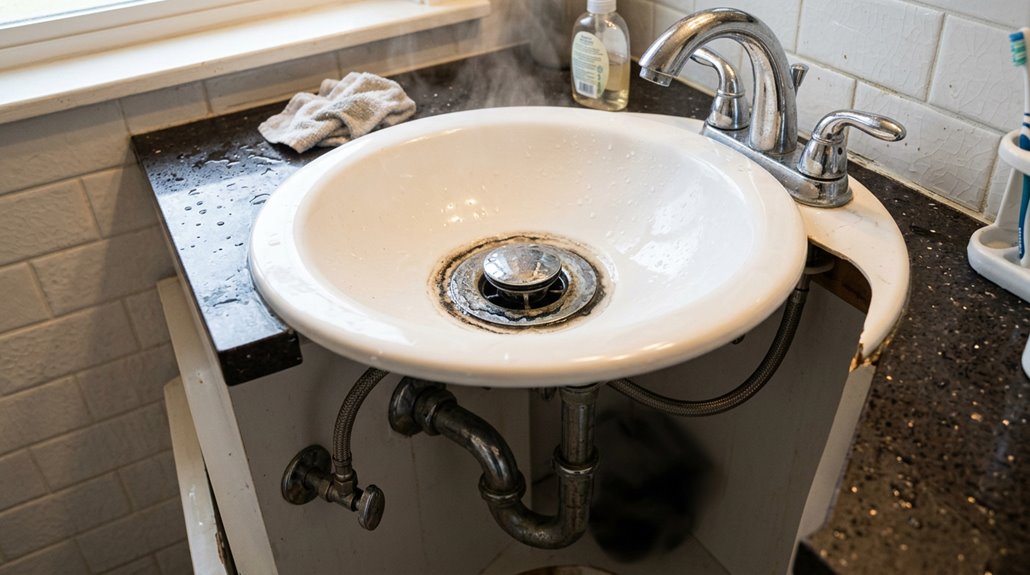
Your drain smells because corrugated pipes trap debris and biofilm, your P-trap’s water seal dried out, or a blocked vent is backing up sewer gas. Start by running water weekly to refill that P-trap, as this resolves many odors.
If the stench persists, you’re likely dealing with biofilm buildup or a clogged vent that needs professional attention.
Quick fixes like baking soda won’t eliminate the problem. Replacing corrugated sections with smooth piping or calling a plumber for a deep cleaning provides lasting results, since the specific cause and solution directly determine whether the odor returns.
The #1 Culprit: Corrugated Drain Pipes Trap Debris and Smell
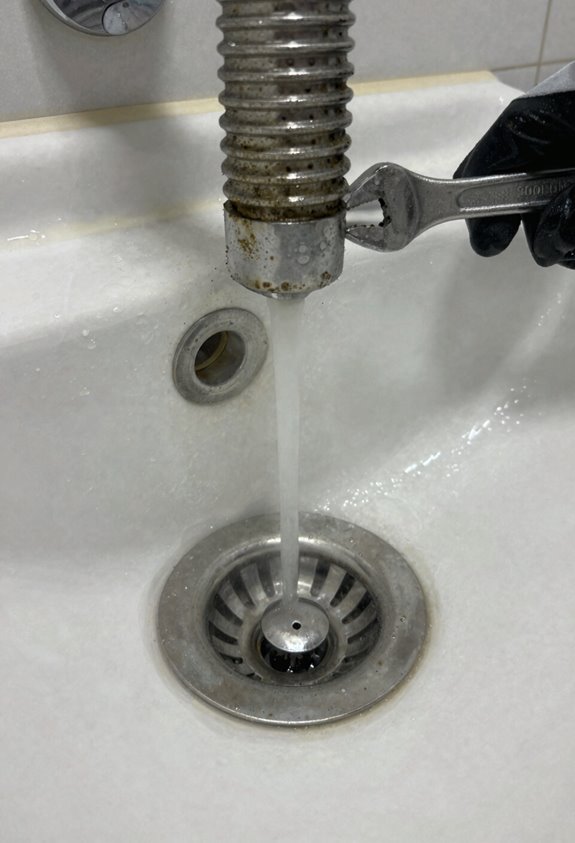
Ever wonder why your bathroom sink smells like a swamp no matter how often you clean it? The culprit is probably hiding right beneath your sink. Corrugated drain pipes are notorious offenders because they trap debris buildup in hundreds of tiny pockets. This creates the perfect breeding ground for nasty biofilm and persistent sewer odors.
The real problem is that unlike smooth pipes, corrugated sections offer significantly more surface area for gunk to stick around. Regular drain maintenance alone cannot fully address this issue. Replacing those corrugated sections with a smooth P-trap and proper drain assembly can permanently eliminate those musty smells. This upgrade will give you the fresh-smelling bathroom you need.

ACCORRDIAN DESIGN – Extends length from 10” to 13” UNIVERSAL - Fits 1-1/2" and 1-1/4" Installations (1-1/2” to 1-1/4” reducing gaskets included) FLEXIBLE DESIGN -...
Why Your Sink’s P-Trap Dries Out and Causes Odors?
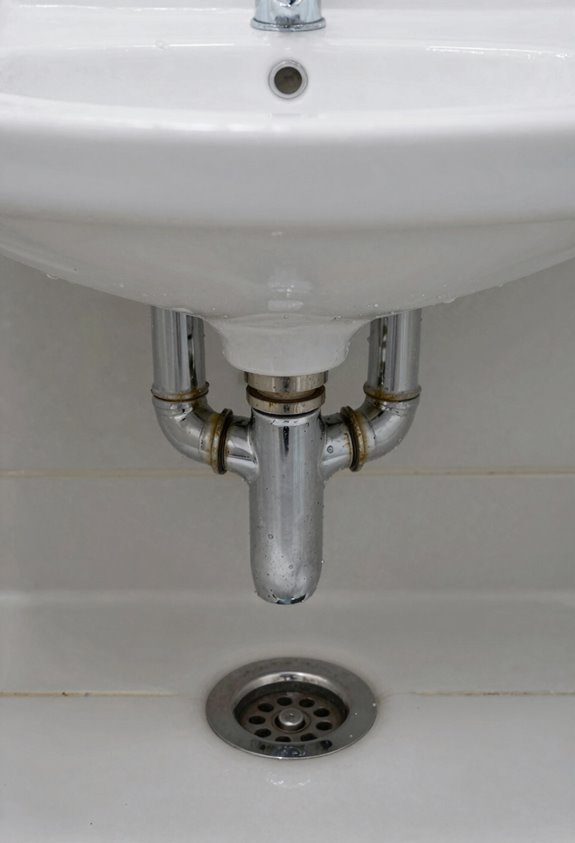
Your bathroom sink could actually be suffering from a completely dry plumbing trap hiding underneath. Your P-trap normally holds water that creates a protective seal against sewer gases. When you don’t use a sink regularly, that water evaporates, leaving your trap completely dry. Without that water barrier, odors come back into your bathroom.
The fix is simple: run water through the unused sink weekly. This regular use keeps your water seal intact and prevents sewer gases from entering through the drain. If you’ve already got odor problems, refilling or replacing your dry P-trap provides immediate relief by restoring the water barrier that blocks sewer gas emissions.

The Perfect Combination: The end of the washing machine drain hose fits perfectly with the washing machine outlet. The extended adapter also allows the two tubes to be perfectly combined, without tools, and can be safely connected without worrying about leaking or flooding.

【Multi-diameter drain hose】 This drainage hose comes with four different diameter pipe heads, including 3/4, 7/8, 1-1/4, and 1-1/2 inches. You need to measure the diameter of your washing machine's drainage port to confirm whether our product meets your needs.

The Perfect Combination: The end of the washing machine drain hose fits perfectly with the washing machine outlet. The extended adapter also allows the two tubes to be perfectly combined, without tools, and can be safely connected without worrying about leaking or flooding.
Biofilm Buildup: The Slimy Bacteria Layer Coating Your Pipes
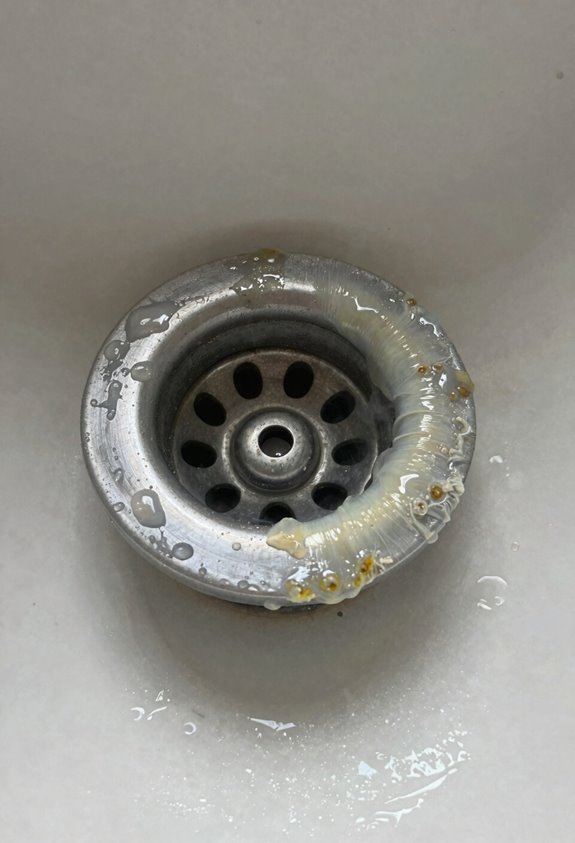
Biofilm is one of the sneakiest culprits behind that nasty drain smell you can’t seem to shake. This slimy bacterial layer sticks to your pipes and gets worse when hot water activates it, because the bacteria actually speed up their breakdown of grease, soap scum, and hair, creating that powerful sewage odor. Professional cleaning with mechanical tools or enzymatic treatments can blast away this buildup permanently, giving you back a fresh-smelling drain.

ENZYME ENHANCED FORMULA: Green Gobbler Enzymatic Drain & Grease Trap Cleaner uses an enzyme enhanced formula to clear buildup and remove odors in grease traps, septic tanks and similar plumbing systems. It helps digests oils, fats, grease, sludge and other food waste within hours of application. This bottle uses anti-glug technology to help reduce splashing and provides up to eight treatments.

END SLOW DRAINS: Stop clogs from ever building with a preventative probiotic formula that digest organic waste in your plumbing system

TRUSTED BRAND: Drano has been used and trusted for generations. Avoid spending money on a plumber, and use Drano once a month for drain maintenance and clog prevention.
How Biofilm Forms Inside
When you peer into your drain with a flashlight, that grimy, slimy coating you see isn’t just dirt. It’s a thriving bacterial colony called biofilm, and it’s the real culprit behind your bathroom’s funky smell. Soap, toothpaste, hair, and organic matter accumulate in your P-trap and pipes, creating the perfect breeding ground for bacteria. This biofilm formation starts small but builds up fast, especially in corrugated pipes where bacteria hide in tiny crevices. The slimy layer traps decomposing material, which releases those nasty musty, sewer-like odors that get worse with hot water. Professional drain cleaning removes this bacterial layer effectively. Routine maintenance like periodic flushing prevents biofilm from taking over your drain again.
Odor Intensifies With Hot Water
Why does your drain smell absolutely terrible when you run hot water? It’s because that slimy biofilm coating your pipes gets activated.
- Hot water accelerates the breakdown of organic matter trapped in biofilm
- Volatile compounds diffuse faster, releasing musty, sewer-like odors
- Kitchen and bathroom drains show the strongest smell intensification
- Regular hot water flushing temporarily amplifies odors until biofilm is disrupted
When you turn on the tap, heat energizes the bacteria layer lurking in your P-trap and pipes. The warmer temperature speeds up chemical reactions, releasing those nasty smells you’re experiencing. Heat alone won’t solve your drain cleaning problem because it doesn’t actually eradicate the biofilm itself. You’ll need enzymatic or mechanical cleaning methods to eliminate the sewer smell and restore freshness to your bathroom.
Professional Cleaning Removes Buildup Permanently
Hot water might temporarily wake up those odors, but it won’t actually eliminate what’s causing them. Professional cleaning is where you get real results. That slimy biofilm coating your pipes is stubborn stuff that household cleaners just can’t reach. Professional cleaning uses powerful drain snakes and flushing methods that blast away years of buildup, soap scum, hair, and bacteria that regular plungers miss completely. When technicians replace corrugated pipes with smooth P-trap assemblies, you’re eliminating the textured surfaces where biofilm loves to hide and multiply. This isn’t a temporary fix; it’s genuine odor prevention. Regular professional maintenance keeps that nasty layer from reforming, so you’ll enjoy fresh-smelling drains for months.
When a Blocked Vent Causes Odors to Back Up?
Because your plumbing system needs to breathe just like you do, a blocked vent can create stubborn odor problems in your bathroom sink. When your air vent gets obstructed, sewer odors back up into your space instead of escaping properly.
What happens when you’ve got a blocked vent:
- Gurgling noises come from your sink as water drains
- Slow drainage signals that air can’t equalize through the system
- Sewer odors intensify because gases have nowhere to go
- Backflow occurs when pressure builds up incorrectly
Debris, leaves, or buildup in roof vents commonly cause these blockages. Sometimes improper installation in multi-sink setups creates problems too. Clearing the vent or repairing damaged pipes usually fixes these issues. Regular maintenance checks on roof vents prevent odors from returning and keep your bathroom functioning properly.

TRUSTED BRAND: Drano Max Gel Drain Clog Remover is the #1 Selling Gel Drain Cleaner*. Avoid spending money on a plumber and use Drano.

【EXCELLENT LENGTH】Metal clog remover is 35.5 inches long with a claw extending from the top, which could easily insert to deeper pipes, and grab the blockage and hair. Drain snake is 25 inches long with tiny hooked teeth on it, which is perfect to insert and easy to pull out hair and blockage. Cleaning brush is bendable and durable for daily cleaning of pipe inner wall.

Package Includes: 3 pack of 20" drain clog remover cleaning tools. The width of the hair cleaner is 0.45", please make sure your sink hole is larger than 0.5" before purchasing
How to Tell If Your Vent Is Clogged or Blocked
I’m going to show you some warning signs that’ll help you spot a vent problem before it gets worse, because catching these issues early is important to keeping your bathroom fresh and functional. You’ll want to listen for those telltale gurgling sounds when you flush or drain water, and watch whether multiple fixtures like your toilet and sink are sluggish or smelly at the same time. This indicates that your vent stack needs attention. Finally, I recommend climbing up to check your roof vent opening for visible leaves, debris, or damage. What you find there will reveal exactly what’s blocking your system’s ability to function properly.
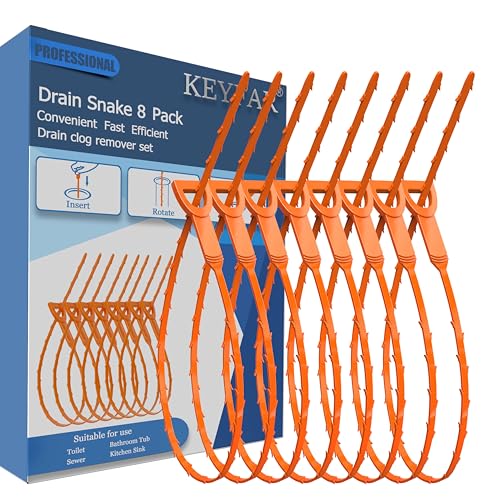
【VALUABLE COMBINATION】8 pack of drain cleaning snake will fulfill your need to remove hair and other blockage.

POWERFUL HAIR CLOG REMOVAL: The snake drain hair removal tool features patented micro-hook technology that grabs and removes hair, grime and debris fast without tools or harsh chemicals.

UNBLOCK CLOGGED DRAINS FAST – Say goodbye to pesky hair clogs that block your sinks, showers, and tubs. Let our Drain Weasel drain cleaner take the stage by promptly eliminating hair clogs, and removing hair, film, and grime instantly.
Signs Of Vent Obstruction
When your drains start acting weird, your vent system might be the culprit you haven’t considered yet. Vent obstructions create unmistakable warning signs, and recognizing them helps you fix problems fast.
What to watch for:
- Gurgling sounds in sinks or toilets when water drains
- Slow draining across multiple fixtures simultaneously
- Drain odors that intensify when you’re using several drains at once
- Sewer gases backing up into your bathroom
These symptoms mean sewer gases can’t escape properly through your roof vent, so they’re trapped inside your pipes. When you hear gurgling noises or smell something funky, your vent system needs attention. Testing one drain with a plunger helps reveal if other drains are affected, confirming the vent is the problem.
Testing Your Drain Venting
How do you know if your vent is actually the problem and not something else entirely? Test your drain venting yourself with these steps.
First, run water in a distant fixture, like an upstairs bathroom, and listen for gurgling drains near your sink. That telltale sound signals a vent blockage. Next, observe if odors appear only when using multiple outlets simultaneously. This pattern indicates a vent issue rather than a local trap problem. Check your roof vent opening for debris, bird nests, or rodent blockages causing obstruction. These are incredibly common culprits.
If you notice slow drainage combined with those distinctive odors, you’ve likely found your answer. This simple test reveals whether your drain venting needs professional attention so you can address the real problem directly.
Vent Issues And Symptoms
You’ve tested your drain venting, and now it’s time to understand what those telltale signs really mean because a clogged or blocked vent creates serious problems in your plumbing system.
When your vent isn’t working properly, it creates a real problem. Watch for these symptoms:
- Gurgling sounds coming from your drain when water flows
- Persistent odor that keeps returning in multiple fixtures
- Slow drainage that gets worse the more you use your sink
- Weak P-trap water seal allowing sewer gases to escape
These symptoms happen because blockages, such as debris, leaves, or even bird nests in roof vents, prevent air from flowing properly. Without ventilation, your drain can’t work efficiently, and sewer odor escapes into your home. If you’re noticing these red flags, your vent blockage requires immediate attention to restore proper drainage and eliminate odors.
Quick Fixes That Work (and Why Baking Soda Doesn’t)
That weak fizzing action can’t break through biofilm or grease buildup. Worse, it pushes debris deeper into your line, simply relocating the drain odor instead of eliminating it. Plus, vinegar’s acidity corrodes older metal pipes, creating fresh problems. Mechanical cleaning through professional snaking or flushing addresses the real issue: the P-trap and venting problems causing that smell. Skip the baking soda routine and invest in actual cleaning for lasting results.

Universal Compatibility: This bathroom sink drain repair kit include many sink drain tubular parts ,can be installed to be P trap kit or S trap drain kit to fits most sink drains with 1 1/4" drain pipes, no matter you need connect to the wall or floor, this completed bathroom sink drain kit can be used for you .

EXPANDABLE AND FLEXIBLE P-TRAP: 1-1/2” sink drain length can be expanded and contracted in the range of 9.8 inches - 24 inches (25-60cm) and 14.5 inches - 38 inches (37-100cm)

【Complete Kit】 Includes straight pipes, elbow joints, adapters, seals and thickened silicone Washer - everything needed for most drainage projects without extra purchases.
Inspect Under Your Sink: What to Look For
I’m going to grab a flashlight and take you on a quick tour under your sink, because what we find there can explain that nasty smell. You’ll want to check three critical things: whether your P-trap still has water in it (that’s your best defense against sewer gases), if you’ve got those problematic corrugated pipes that collect gunk and create odors, and whether there are any visible leaks or cracks that might be hiding moisture and mold. Spending five minutes inspecting these spots now prevents weeks of dealing with that stench.

The Perfect Combination: The end of the washing machine drain hose fits perfectly with the washing machine outlet. The extended adapter also allows the two tubes to be perfectly combined, without tools, and can be safely connected without worrying about leaking or flooding.
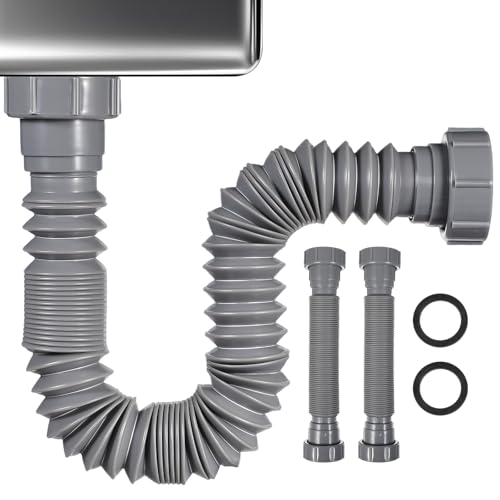
Universal Fit for 1-1/2" Sinks: This 2-pack sink drain pipe kit includes sealing rings to seamlessly connect to both standard 1-1/2" drain outlets. Ready for kitchen sinks, bathroom vanities, and laundry drains

【Easy Installation, Leak-Proof Sealing】One-click secure connection! Our flexible sink drain hose features built-in compression washers at both ends, ensuring a watertight seal without the need for pipe tape. Simply screw it into a standard 1.5-inch drain opening—no leaks, no mess!
Corrugated Pipe Damage
Bathroom sink drains that hold onto smells despite cleaning efforts often have corrugated pipe damage. Those flexible ribbed pipes trap debris and grease in hundreds of tiny pockets, creating the perfect breeding ground for biofilm and persistent odors.
When you inspect under your sink, look for:
- Cracks or splits in the corrugated segments
- Separations allowing gas escape and leaks
- Visible debris stuck in the ribbed texture
- Discoloration indicating biofilm buildup
Replacing corrugated sections with smooth, rigid P-trap piping eliminates these problems. A leak-free seal and straight-run design prevent ongoing smells and reduce clogs dramatically. A professional plumber can install quality drain replacement that keeps your bathroom fresh and functional long-term.
P-Trap Water Level
Why does your P-trap matter so much when fighting bathroom sink odors? It’s your first line of defense. Your P-trap holds water that creates a crucial water seal, blocking sewer gases from escaping into your bathroom. When you’ve got a dry trap, those nasty odors rush right through.
Check the curved pipe section under your sink. You’re looking for standing water inside it, your protective barrier. If you notice the P-trap water level dropping or see it’s completely dry, something’s wrong. Debris or biofilm might be blocking it, or perhaps one sink’s draining too fast, siphoning the seal away.
Regular trap maintenance prevents odor problems. Disassemble, clean thoroughly, and reassemble to restore that essential water seal.
Visible Leaks And Cracks
Once you’ve checked your P-trap, grab a flashlight and get up close with the area under your sink. Even the tiniest leak can turn into a major odor problem.
Inspect these critical spots:
- P-trap leaks around joints and connections that drip constantly
- Visible leaks in drain elbows or corrugated sections where biofilm grows
- Corrosion buildup on metal fittings creating hidden damage
- Cabinet dampness including soft wood or staining signals slow leaks
Don’t overlook the overflow and pop-up assembly for cracks either. You’re looking for anything wet, discolored, or mushy. Cabinet dampness signals the need for immediate leak repair before mold develops. Early detection prevents water damage and keeps your bathroom sanitary.
When to Call a Plumber vs. Tackle It Yourself
If you’ve already tried cleaning your aerator and treating your P-trap with baking soda and vinegar, you’re probably wondering whether you should keep troubleshooting or call in a professional. DIY fixes work great for dry traps and minor blockages, but when odor persistence continues after your home remedies, that’s your signal to phone a plumber. You’ll want professional help if you suspect a vent blockage, hear gurgling sounds, notice slow drainage across multiple fixtures, or spot visible leaks around your piping. A plumber will inspect your entire system, snake the drain for biofilm, and verify proper venting, providing accurate diagnosis and lasting solutions rather than temporary fixes.


ELIMINATE DRAIN CLOGS & ODORS: One Green Gobbler Drain Stick will help remove organic matter that can be the starting point for stinky odors and clogs. It works hard to deodorize pipes and attacks grease, food, fats, oils and scum that cause slow-moving drains.

Unclogs plumbing without acid. Super Digest-It uses the power of enzymes to break down debris and waste that is clogging your drains, allowing you to unclog your drains without acids or lye.
Replace Corrugated Pipes With a Smooth P-Trap
After you’ve exhausted your DIY cleaning options and the smell keeps coming back, it’s time to look at what’s really causing the problem. Often, corrugated drain pipes are the culprit. Those wavy pipes trap debris and grease in hundreds of tiny pockets, creating the perfect breeding ground for biofilm and sewer odor.
Corrugated drain pipes trap debris and grease, creating the perfect breeding ground for biofilm and sewer odor.
A smooth P-trap upgrade involves:
- Removing your corrugated drains completely
- Installing leak-free smooth drain and P-trap assembly
- Cutting and fitting pipes for a proper seal
- Refilling the trap with water and testing for results
This replacement plumbing solution is permanent, unlike endless cleaning cycles. You’ll notice immediate odor reduction, and your drain will flow smoothly. A solid P-trap configuration keeps debris moving through instead of settling, resulting in a fresher-smelling bathroom.

SAFE ON PIPES: Drain cleaner that's safe for use on all pipes; great for drains and sinks. Formulated with only essential ingredients needed to break down clogs, this liquid Drano is non-corrosive to pipes and has no harsh smell.

DRAIN CLOG REMOVER: This Liquid-Plumr Pro-Strength Clog Destroyer Gel is fortified with 3X action to protect, prevent and destroy clogs; Packaging may vary
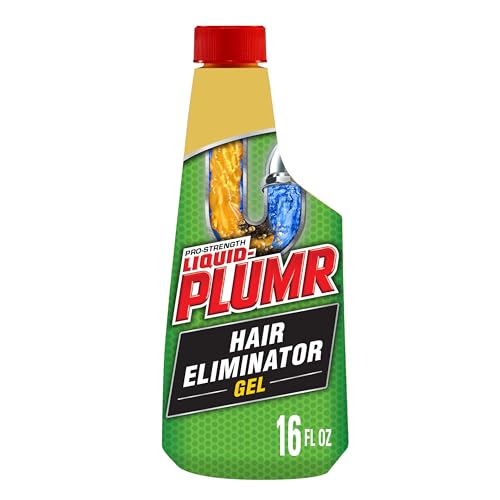
DRAIN CLOG REMOVER: Liquid-Plumr Hair Clog Eliminator is specially formulated for hair clogs, the most common reason for clogs in your drain
Keep Your P-Trap Filled to Prevent Odors From Returning
Water is your P-trap’s best friend. A dry trap is basically an open invitation for sewer gases to enter your bathroom. The water seal inside your P-trap acts like a protective barrier, blocking those nasty odors from creeping back up into your sink area. When water evaporates or drains away, that seal breaks down, and suddenly you’re dealing with returning smells that make the bathroom unpleasant to use.
Unused sinks are prime targets for dry traps. Run water regularly, especially after long periods of non-use, to keep that seal intact. Check your P-trap occasionally and refill it as needed. This simple habit prevents sewer gases from sneaking back in and keeps your bathroom fresh and functional.

Item Weight: 1.6 lb

UNBLOCK CLOGGED DRAINS FAST – Say goodbye to pesky hair clogs that block your sinks, showers, and tubs. Let our Drain Weasel drain cleaner take the stage by promptly eliminating hair clogs, and removing hair, film, and grime instantly.

【Efficient Auto-feed Function】Drain auger has the function of the automatic forward and backward control of the drain cord. With a flexible air-activated footswitch, drain cleaner machine allows professional plumbers to carry out intensive unblocking jobs efficiently. The rocker switch makes it easy to change the cable's rotation direction. In addition, for those who are used to left-handed use, we have innovated a double switch control by switching the rocker to the left socket
Get Permanent Results: Root Cause Fixes That Last
You’ve tried the quick fixes, and they haven’t stuck around. Temporary solutions like baking soda and vinegar only mask the real problem. To permanently eliminate sink odors, you need to address what’s actually causing that stench.
What actually works:
- Replace corrugated drain sections with smooth P-trap designs that stop debris and sludge buildup
- Inspect and repair faulty venting to block sewer gases from entering your sink
- Get professional drain cleaning to remove stubborn biofilm and organic film
- Replace worn P-traps that can’t maintain a proper seal anymore
These root-cause fixes deliver lasting results. When you tackle the real culprits, your P-trap, venting system, and pipe condition, you eliminate odors permanently rather than covering them up.