
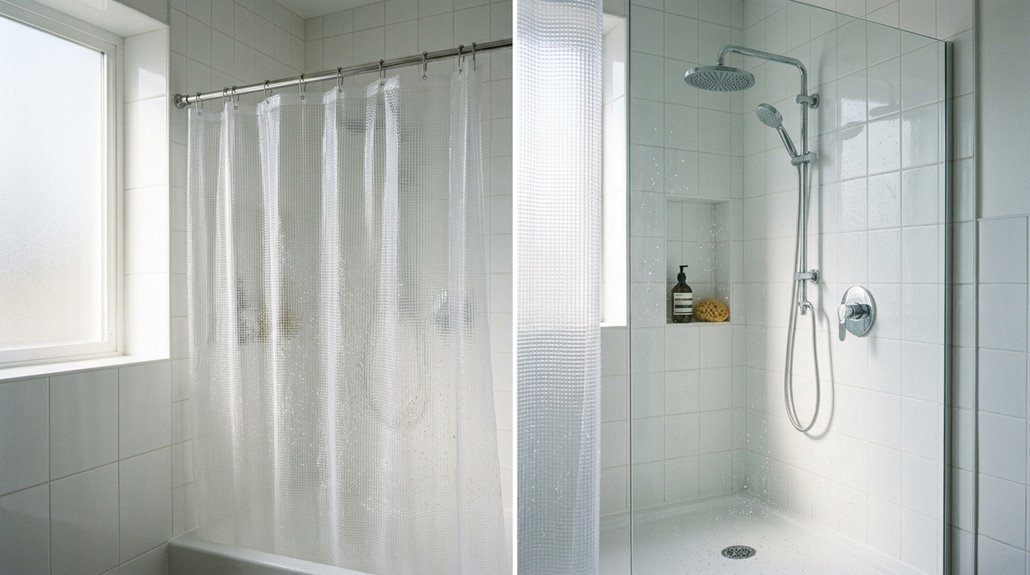
You absolutely need a shower curtain liner. It’s your decorative curtain’s best friend, catching water splashes and soap scum so they never touch your favorite fabric.
Without one, you’re risking mold, stains, and a curtain that wears out fast.
A thicker liner keeps everything stable during showers, protecting your investment for years.
Whether you choose fabric or plastic depends on your priorities, but skipping the liner altogether means accepting preventable damage to your bathroom.
Discover which option works best for your bathroom.
What a Shower Curtain Liner Actually Does
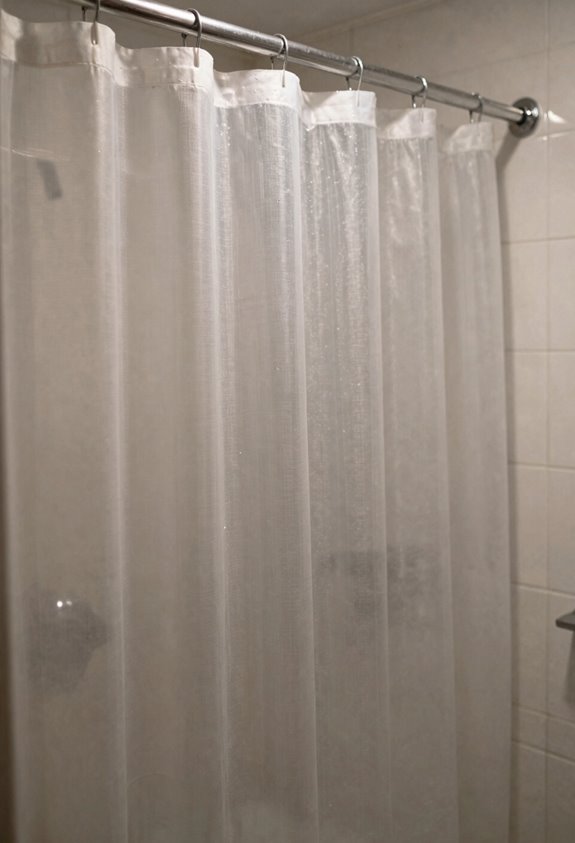
Ever wondered why your bathroom floor gets soaked even though you’ve got a curtain hanging there? A shower liner provides the waterproof barrier needed to keep water inside your tub. Your shower liner sits inside the curtain, catching splashes and spray that would otherwise drench your bathroom floor. It functions as a protective barrier for your space.
Liners are typically made from vinyl, polyester, or PEVA materials, designed to resist mold and stay durable through countless showers. Thicker liners work especially well because they move less during showers, giving you stronger splash control. Without one, water sneaks past your curtain constantly, creating puddles and potential slipping hazards. Most bathrooms require these functional barriers to prevent water damage and safety issues.

Lightweight and flexible PEVA: Designed for easy handling and natural drape, this liner is not a heavy fabric curtain. Made from 100% PEVA material, PVC-free and odor-free, helping avoid the strong chemical smell often found in vinyl liners.

Premium PEVA: 3 magnets at bottom for iron-core bathtubs & 12 metal grommet holes, it can be used as a stand-alone shower curtain or shower liner

Keep Your Bathroom Dry - Our premium PEVA shower curtain liner is waterproof, protecting your decorative shower curtain and keeping your bathroom floor dry, shampoo and soap residues never leaking out.
When You Need a Liner (and When You Don’t)
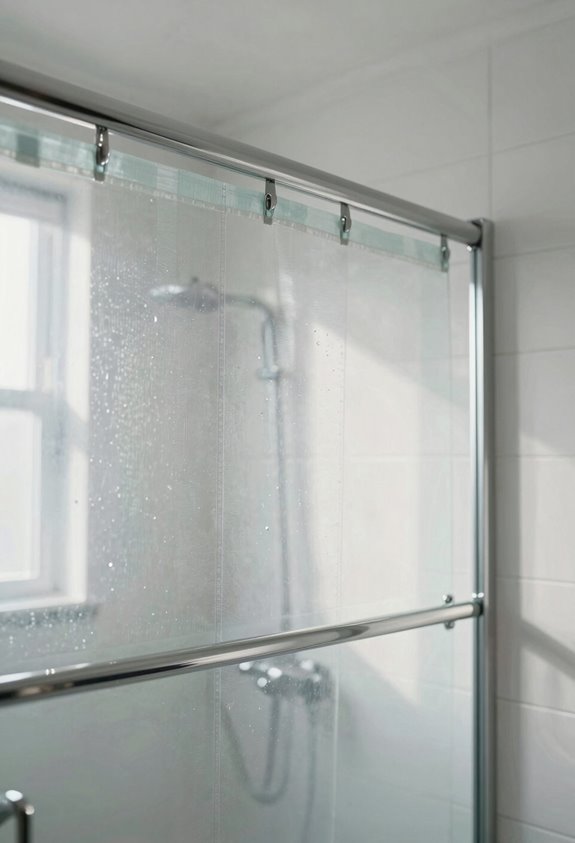
So, does every bathroom really need a shower curtain liner? Not necessarily. You’ll want a shower curtain liner when:
- Your curtain’s thin or absorbs water easily
- Kids splash constantly in your bathroom
- You have low water pressure and minimal splash control
- Your fabric needs protection from soap scum and stains
However, I skip the liner for thick natural fabrics like hemp or certain linens that dry quickly enough. If you’re showcasing your curtain’s beautiful texture or have strong shower pressure, you can skip the liner. Organic cotton benefits from a liner staying cleaner longer. Your decision should depend on your lifestyle and bathroom conditions.

Qualified: High quality PEVA shower curtain liner is a good choice for the person who requires light weight liner for bathtub.Convenient fold, simple and low cost, the liner plays a function to better hold back water in a shower.

FEEL THE HEAVY-DUTY DIFFERENCE: This heavy duty shower curtain liner is made of 8G thick, premium PEVA material to resist rips and tears, saving you the cost and hassle of frequent replacements.

6 Magnets at Bottom: Magnetic shower curtain liner for your bathtub, 6 bottom magnets help keep the premium clear heavy shower liner in place
Fabric vs. Plastic Liners: What Lasts Longer?
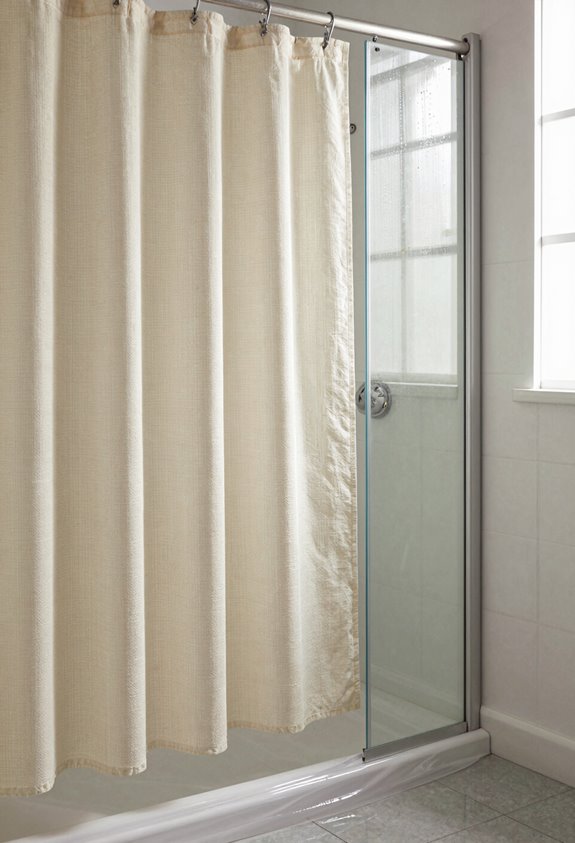
When you’re trying to decide between fabric and plastic liners, you’re really choosing between durability and waste. Plastic might seem cheaper upfront, but fabric liners actually last for years with proper care, which reduces long-term costs and environmental impact.
Fabric liners resist mold better when you keep them clean. They can be tossed right in the washing machine with your towels and block water just as effectively as plastic without the environmental burden. Understanding how your choice impacts both your bathroom’s longevity and the environment requires comparing what really makes these materials stand apart.

Prevent Drafts and Leaks - This budget-friendly bathing accessory is the must-have shower hack you never knew you needed! Say goodbye to cold drafts and soaked bathroom floors with our easy-to-use shower curtain splash guards.

No More Wet Floor: Say goodbye to slippery floor and no more getting attacked by the shower liner! Our magnetic shower curtain clips will keep your shower curtain securely closed against the wall, preventing water from splashing out onto your bathroom floor. These shower curtain holder is a nice solution to keep your curtain securely in place, which builds up splash-free bath experience for you

【Durable material】Shower curtain clips are made from quality plastic, lightweight and durable, with sturdy structure and not easy to break, and the self-adhesive design makes it easy to install on the wall, Providing a simple way to fix your shower curtains
Durability And Lifespan Comparison
Which shower liner will actually stick around longer in your bathroom? Fabric liners outshine plastic ones when it comes to longevity.
- Fabric liners last years with proper care, while plastic typically needs replacing sooner
- Machine-washable fabric can be laundered with towels in one load for convenience
- Plastic liners crack, develop mold, and aren’t recyclable, creating waste
- Fabric feels softer, hangs naturally, and experiences less overall wear
When comparing durability, polyester fabric liners consistently outlasted thin vinyl alternatives under regular use. You’re investing in something that serves you longer. Fabric liners dry quickly after washing and maintain their quality well over time.
Environmental Impact Differences
Beyond lasting longer in your bathroom, fabric liners deliver something equally important: they’re significantly better for our planet. Fabric liners are washable and reusable, which means you’re not constantly tossing plastic into landfills like you would with single-use liners. Most fabric liners are made from polyester, so you can launder them right alongside your sheets and towels, then air-dry them for endless reuse. Plastic liners are not recyclable and can’t be washed, making them wasteful over time. By choosing fabric liners, you reduce landfill waste while extending your outer curtain’s life. This combination of environmental benefit and product longevity makes fabric liners a practical choice for sustainable home care.
Maintenance Requirements By Material
How much work are you willing to do to keep your shower curtain liner in great shape? Maintenance directly affects whether your liner lasts years or months.
Here’s what you’re signing up for:
- Fabric liners need regular washing with towels to prevent crinkling
- Stain-fighting treatments like baking soda or vinegar keep them fresh
- Plastic liners just need wiping down occasionally
- Air-drying fabric liners extends their lifespan significantly
Fabric liners can last for years with proper care, while plastic ones often need replacing due to mold or stiffness. You’re choosing between consistent regular effort that delivers long-term results or frequent replacements that add up in cost. Fabric liners provide better value because they genuinely remain usable for extended periods.
Do Fabric Shower Curtains Need a Liner?
I’ve found that whether your fabric shower curtain needs a liner really depends on what it’s made from. Organic cotton curtains absolutely benefit from a liner since it keeps the fabric cleaner and dramatically extends its life, while hemp and certain linen options are more forgiving and can skip the liner entirely. If you take long, steamy showers or use lots of water, even your linen curtain will appreciate the extra protection a liner provides, which speeds up your cleaning routine and keeps soap scum from building up on your beautiful main curtain.

Standard Size: The size of the fabric shower curtain liner is 70"W x 72"L, ideal for most standard size showers and bathtubs. It works with straight or curved shower rods

Hotel quality protection & standard fit: This single-pack 72 x 72 inches shower curtain liner is designed to fit standard to wide tubs and showers. It provides effective water-resistant protection to keep your decorative curtain dry and floors safe, featuring a hotel-grade build for a premium feel. (Hooks not included)
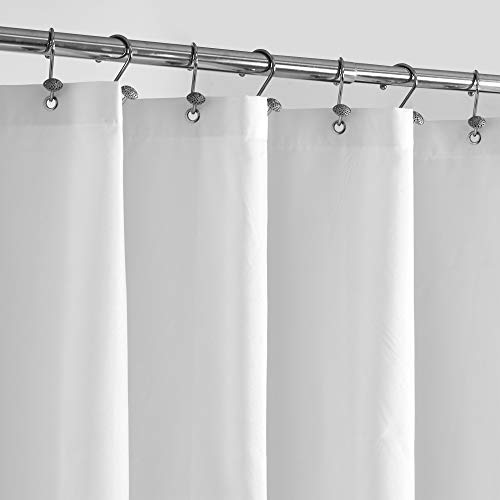
SOFT & WATERPROOF: This shower curtain liner is made of premium fabric with the ultimate waterproof coating tech, making it completely water proof but still soft feeling
Fabric Type Considerations
When choosing a fabric shower curtain, the fabric itself significantly affects whether you’ll need a liner. Different fabrics behave differently in steamy bathroom environments, and understanding these differences helps you make the right choice for your space.
Popular fabric options include:
- Organic cotton thrives with a liner to keep it cleaner and extend its lifespan considerably
- Hemp fabrics naturally resist moisture and mold, often skipping liner requirements entirely
- Linen curtains work fine without liners but benefit greatly from one during heavy water use
- Fast-drying fabrics may not require liners in most bathroom setups
Match your fabric choice to your shower habits and humidity levels for optimal performance.
Liner Protection Benefits
Why does a simple plastic liner make such a difference for your fabric shower curtain? A quality liner acts as your curtain’s best friend, creating an exceptional moisture barrier that keeps water from soaking directly into the fabric. This liner protection means mold and mildew have nowhere to thrive, which extends your curtain’s lifespan.
Thicker, waterproof liners resist water best during long showers, moving less and protecting more effectively. You’re essentially giving your cotton or linen curtain a protective shield. Plus, weekly cleaning becomes easier since you’re focusing on the liner as the primary moisture barrier instead.
Whether you shower daily or occasionally, this simple addition protects your curtain effectively.
Choosing the Right Liner for Your Shower
Now that you’ve decided a shower liner makes sense for your bathroom, it’s time to pick the perfect one. The right choice will improve your shower experience. You’ll want to consider what works best for your space and lifestyle. Here’s what matters most:
- Material type (vinyl, PEVA, or washable fabric)
- Thickness level for optimal splash control
- Length that ends just above your tub
- Durability and maintenance requirements
Fabric liners are an eco-conscious option since they’re reusable and longer-lasting than plastic alternatives. A thicker liner provides better water blocking and reduces movement during showers. Measure your shower space carefully to ensure your liner fits properly. When it yellows or gets moldy, replace it promptly to maintain hygiene and appearance.

WATER-REPELLENT DESIGN: This water-repellent fabric shower curtain keeps water inside the tub, helping you keep your bathroom dry

Waterproof shower curtain and liner 2-in-1: There is a water-proof coating on the surface of our fabric shower curtain liner, which promotes water bead formation. The treated polyester fabric is used to make water bead stay on the surface, quickly repel and dry. It can be used alone in the bathroom, no need to use together with a waterproof shower curtain liner.

The first thing you'll notice when you open the package is that it's completely odor-free and BPA-free and ideal for those with chemical sensitivities.
Should You Use Both a Liner and Curtain?
Many people don’t realize that pairing a shower liner with a curtain creates effective water protection. Combining these two works well together. Your fabric curtain stays fresher longer because the liner catches all the water and splashes first. This means your curtain doesn’t absorb moisture constantly, which prevents mold and mildew growth.
The liner handles the heavy-duty water duty while your curtain looks beautiful and completes your bathroom style. If you choose a washable fabric liner instead of plastic, you’re reducing waste and saving money long-term. You’ll spend less time scrubbing and more time enjoying your bathroom. This combination improves your shower experience by extending curtain life and reducing maintenance needs.

The first thing you'll notice when you open the package is that it's completely odor-free and BPA-free and ideal for those with chemical sensitivities

WATERPROOF PEVA MATERIAL FOR EVERYDAY PROTECTION : Made from durable PEVA with a medium-weight 5 gauge thickness to help prevent water leaks and protect bathroom floors during daily use.

WATERPROOF SHOWER CURTAIN - Ultra smooth specialty design of LiBa shower curtain liners created to roll off the water and to promote water bead formation so water swiftly rolls off the surface, keeping your bathroom dry and clean. With 3 timeless color options to choose from, use it as a stand-alone curtain for a bright & airy atmosphere, or pair it with your favorite fabric shower curtain.
How Liners Protect Your Bathroom From Water Damage
Beyond keeping your curtain looking fresh, a shower liner does something remarkable: it guards your entire bathroom from water damage. A waterproof liner is your bathroom’s best defense against costly problems.
Here’s how it protects your space:
- Catches water before it escapes the tub or shower enclosure
- Prevents moisture from seeping into your bathroom floor and walls
- Stops water from damaging baseboards and creating soft spots
- Reduces humidity that weakens paint and drywall
When you use a waterproof liner, you’re essentially creating a moisture barrier that contains splashes at the source. This simple addition preserves your bathroom’s structural integrity while keeping your floor dry and safe. This investment prevents expensive water damage repairs and mold growth in your home.
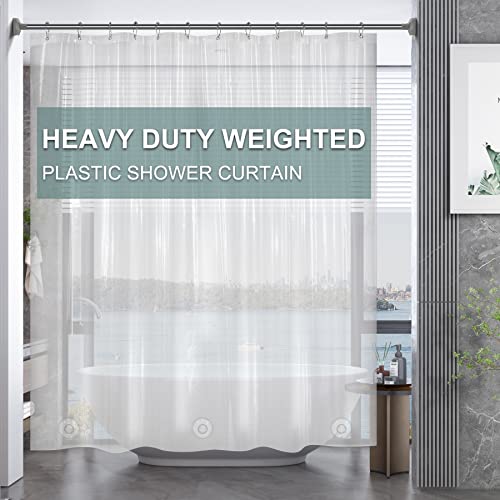
Waterproof and family-friendly material - AmazerBath clear shower curtain liner is made of premium PEVA material, there is no plastic smell. Super smooth surface design is created to resist water and promote water bead formation for swiftly rolling off the shower liner, keeping your floor dry and clean.

【High Quality】Our shower curtains are made of 70% EVA material, which is healthier than PEVA and PVC materials, with a soft texture, better hand feel, and more beautiful patterns. This Premium Light-Weight shower curtain liner will create a better Bathroom for you and your family.
Weekly and Monthly Liner Cleaning Routines
How often should you actually clean your shower liner? Unclip your fabric liners weekly and wash them with your towels to reduce crinkling. This routine keeps them fresh and extends their lifespan. For monthly deep cleaning, tackle mold and mildew using baking soda, vinegar, or diluted bleach, depending on what works best for your situation. Fabric liners are washable and reusable, making them practical for busy households. Air-dry them completely before rehanging to prevent moisture buildup. Your bathroom will stay cleaner longer when you maintain this consistent schedule. These straightforward cleaning habits protect both your liner and your bathroom investment.

Peel-and-stick shower curtain clips keep your shower curtain flush against your shower walls to cut down on leaks and splashes.

Splash Guard Suction Cups Helps Prevent Water from Spilling Out Of the Shower

Magnetic Shower Curtain Clips: Package includes 4 pack magnetic clips, which will securely keep shower curtain close to wall and prevent water from splashing out. | Check the 6th image to release the pin; Also there is a user manual in the package, check carefully. NOTE: We change the back stickers to nail-free sealant glue. You can use hair dryer to heat and remove if you don't use.
When to Replace Your Shower Curtain Liner
Even the toughest shower liner won’t last forever, and that’s okay. Knowing when to replace your liner keeps your bathroom fresh and functional. You’ll want to swap out your liner when you notice these telltale signs:
Even the toughest shower liner won’t last forever—knowing when to replace it keeps your bathroom fresh and functional.
- Yellowing or discoloration appears across the surface
- Mold spreads despite your cleaning efforts
- The material becomes sticky or stiff to the touch
- Water stops blocking effectively, causing splashes
Check your liner monthly to catch these issues early. A deteriorating liner loses its protective power, so replacing it protects your floors and outer curtain. Whether you’re using vinyl or fabric, staying on top of replacement keeps your shower area looking sharp and mold-free. A fresh liner extends the life of your entire shower setup.
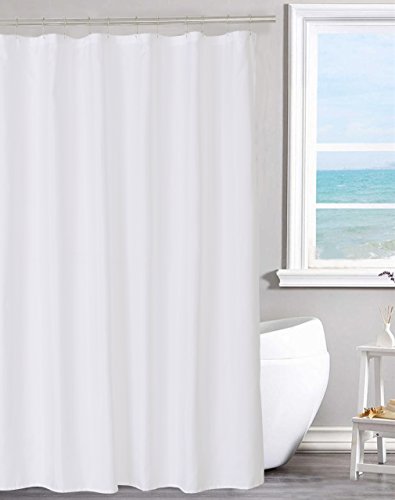
*HOTEL LUXURY QUALITY: Superior quality polyester liner is applicable to hotel and home décor. Closely knit thicker than ordinary fabric, a luxury and spa-like feel is delivered when showering or bathing
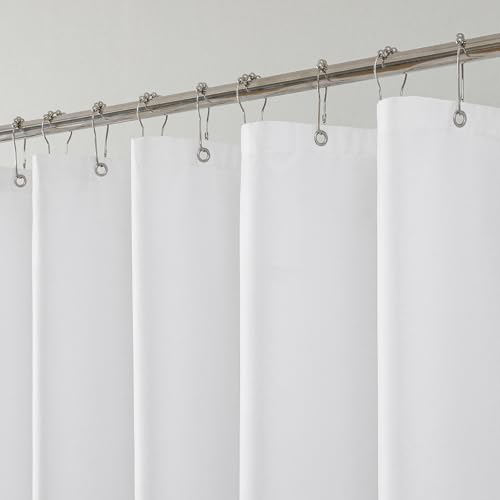
Premium Waterrepellent Polyester Fabric:Crafted with 100% soft polyester, our shower liner uses nano-scale hydrophobic technology to repel 99% water within 3 seconds . Water beads instantly roll off without soaking through, unlike stiff PEVA/PVC liners.
Premium Waterproof Polyester Fabric:Crafted with 100% soft polyester, our shower liner uses nano-scale hydrophobic technology to repel 99% water within 3 seconds . Water beads instantly roll off without soaking through, unlike stiff PEVA/PVC liners.
Sustainable Liner Choices for Less Waste
I’ve discovered that washable fabric liners are effective for your bathroom routine, since you can simply toss them in the wash with your towels and air-dry them instead of constantly buying new plastic ones. By switching to a reusable polyester liner, you’re keeping mountains of plastic waste out of landfills while actually saving money over time. These sustainable choices prove that protecting your bathroom doesn’t mean sacrificing the planet. You can have both effective water protection and reduce your environmental footprint.

Size Notice: The usable size is the same as a regular 71x72 shower curtain,snap in liner is 70" x 54" (WxL)
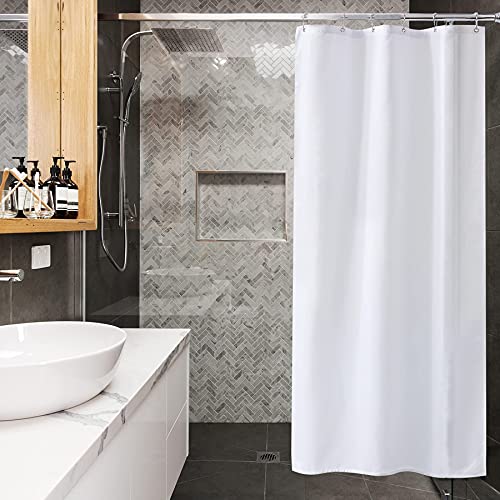
Size: Width: 36 inches, Height/Length: 72 inches - Amazer shower curtain features 120 grams per square meter (Gsm) and is made of premium polyester fabric. 50g heavier than the same size 90 Gsm shower curtains of other brands.
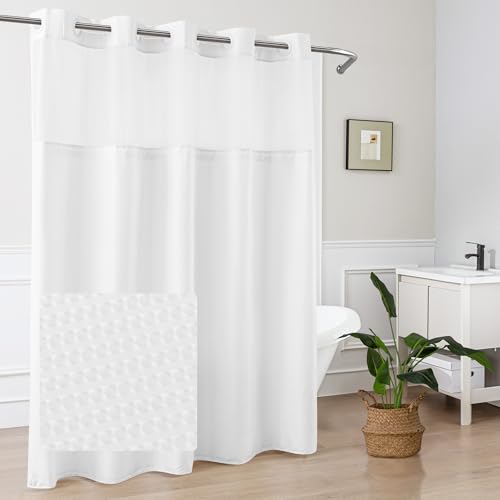
Spa-like Feel Material: Made of 100% premium embossed polyester fabric, this shower curtain with liner set creates a pleasant and soft to the touch. Embossed dots pattern enchances the visual appeal, classic but not simple
Washable Fabric Liner Benefits
Switching to a washable fabric shower curtain liner reduces waste significantly while improving your bathroom experience. Fabric liners offer several practical advantages over disposable alternatives.
- Machine-washable polyester construction lasts for years, not months
- Bleach-compatible fabric eliminates mold and mildew buildup naturally
- Air-drying prevents degradation and extends product lifespan considerably
- Reusable design eliminates constant replacement trips to stores
Unlike disposable plastic liners that end up in landfills, fabric liners hang softer and drape more beautifully in your bathroom. You’ll wash them alongside your sheets with no extra effort required. They’re both decorative and functional, combining aesthetic appeal with durability.
Fabric liners provide a sustainable alternative to single-use plastic while delivering superior performance and longevity.
Reducing Plastic Waste Impact
When you choose a fabric liner instead of plastic, you’re making a genuine difference for our planet. Switching to washable fabric curtains dramatically cuts down on plastic waste that ends up in landfills. Unlike single-use plastic liners you constantly replace, a quality fabric liner lasts for years, which means fewer replacements and less trash overall. You can wash it with your regular laundry, then air-dry it. A quality fabric liner costs around $9, about the same as plastic ones, yet you can reuse it countless times. When your liner finally wears out, you can recycle it responsibly instead of sending plastic to the garbage. By making this one small switch, you reduce the amount of plastic entering ecosystems and oceans while lowering your overall environmental footprint.
Long-Term Sustainability Considerations
How much trash could you eliminate just by switching one bathroom product? Fabric shower curtains offer significant sustainability benefits.
- Washable polyester construction eliminates the need for single-use plastic liners
- Machine-washable design allows you to clean them with towels, preventing mold without disposal
- Thicker materials improve splash control and extend lifespan substantially
- Simple care routine: unclip, wash, air dry. This keeps them looking fresh for years
When you choose fabric shower curtains over replaceable plastic liners, you reduce landfill waste. Treat stubborn stains with baking soda or vinegar to extend durability. A single fabric shower curtain can replace 10-15 plastic liners over its lifetime, preventing approximately 5-7 pounds of plastic waste from entering landfills annually per household.
Liner Mistakes That Shorten Durability
You’d be surprised how many simple mistakes can cut your shower liner’s durability short. Machine washing plastic liners destroys them instantly, so stick to fabric versions if you want washable options. Crumpling your liner during storage causes permanent creases that won’t come out. When you’re washing fabric liners, don’t skip washing them with towels. This prevents intense wrinkling that weakens the material. Skipping air-drying and using heat is a disaster. High temperatures make liners sticky and stiff, ruining their water-blocking ability. Ignoring early mold spots leads to rapid spreading that forces replacement. Always unclip your liner from rings before washing. These small oversights transform a durable liner into trash far too quickly.
Can You Use Just a Liner Without a Decorative Curtain?
The short answer is absolutely yes. More people should consider this approach. You can totally skip the decorative curtain and use just a liner.
You can absolutely skip the decorative curtain and use just a liner—more people should consider this practical approach.
- You’ll save money by eliminating the outer curtain expense
- Cleaning becomes simpler since you’re only washing or replacing one layer
- Your bathroom stays drier with a dedicated protective barrier
- You get maximum functionality without sacrificing style
A sturdy liner delivers everything you need for splash protection and mold prevention. This setup works because it eliminates the pretense of a liner being decorative when its real job is keeping water contained. Some folks even choose clear or frosted liners that look intentional rather than hidden. This stripped-down approach suits those who value practicality and efficiency.
How to Extend Your Favorite Curtains With a Liner
If you’ve fallen in love with a decorative shower curtain, a quality liner is your hidden asset for keeping it beautiful and lasting years longer. A plastic shower curtain liner acts like a protective shield, blocking water and soap scum from reaching your favorite curtain. While water splashes against the liner, your decorative curtain stays dry and pristine behind it. Your curtain maintains its vibrant colors and pattern without developing those stubborn stains or mold spots that typically appear. By choosing a durable, thicker liner that resists movement during showers, you extend your beloved curtain’s lifespan. This simple swap directly increases how long your favorite piece lasts.