
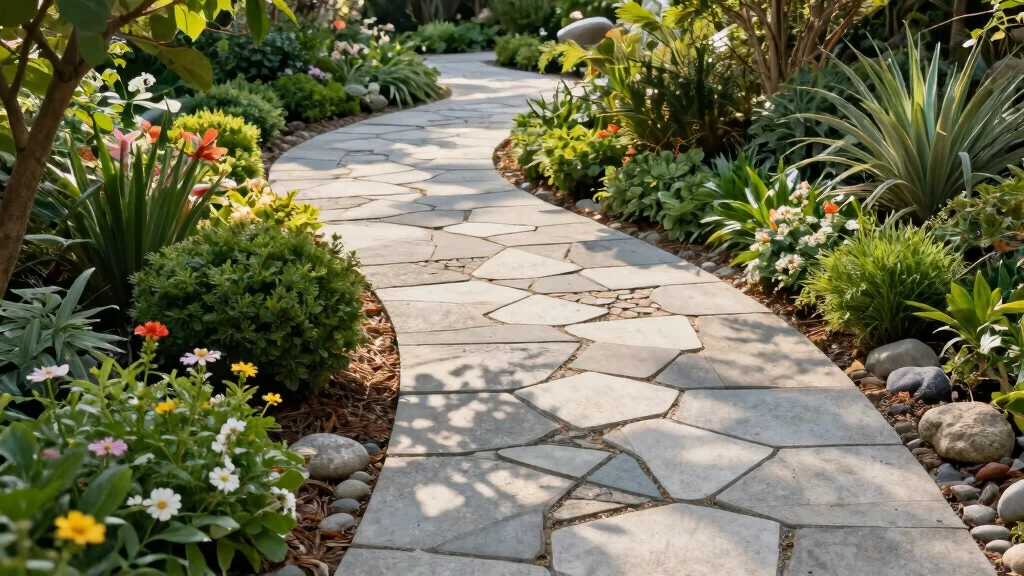
Creating a stunning walkway in your garden can feel like a daunting task. If you’ve been searching for reliable solutions to prevent shifting or sinking in your cement paver walkway, you’ve come to the right place. This blog post is designed to give you the knowledge and ideas you need to create a durable and attractive pathway that not only enhances the beauty of your outdoor space but also stands the test of time.
Whether you’re a seasoned gardener or just starting your journey into outdoor landscaping, this guide is for you. You might care about sustainability, aesthetics, or simply want to enhance your home’s curb appeal. No matter your motivation, I’ve pulled together 15 unique cement paver walkway ideas that are not only visually appealing but also practical. From colorful designs to rustic pathways, you’ll find inspiration and actionable tips that will ensure your walkway won’t shift or sink over time.
By the end of this post, you’ll walk away with a wealth of ideas and essential tips on cement paver installation, durable walkway materials, and garden pathway design. With a focus on sustainability, these ideas will help you create an erosion-resistant walkway that complements your gardening efforts and enhances your outdoor experience.
Key Takeaways
– Explore 15 creative cement paver walkway designs that resist shifting and sinking, ensuring longevity.
– Learn practical cement paver installation tips to create a stable foundation for your walkway.
– Discover various durable walkway materials that align with eco-friendly gardening practices.
– Find inspiration for outdoor landscaping ideas that incorporate beautiful cement pavers into your garden.
– Gain insight into creating an erosion-resistant walkway that can withstand weather conditions while enhancing your landscape.
1. Curved Cement Paver Pathway
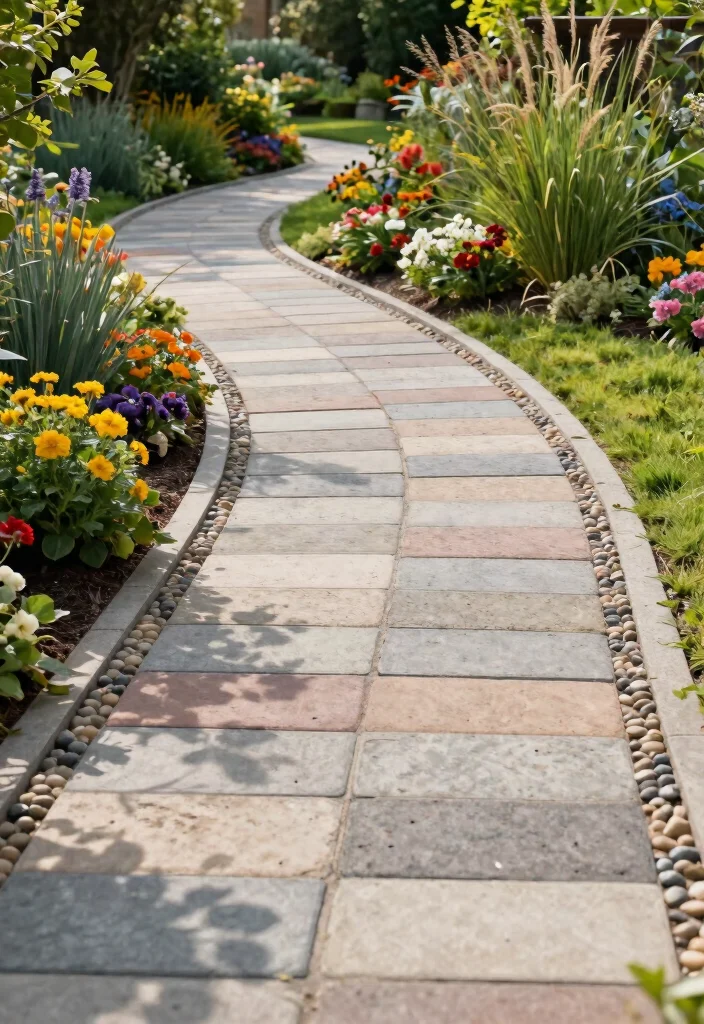
Imagine a charming curved walkway winding through your garden, inviting guests to explore. This design not only adds a playful touch but also helps create a sense of flow in your outdoor space. With pavers available in various colors and sizes, you can easily craft a stunning focal point that captures attention.
Consider using rounded pavers with smooth edges to enhance the gentle curves. This approach offers a natural look that complements the surrounding flora beautifully. Plus, it helps manage water runoff, directing it to areas where it’s needed most.
Key enhancements for your curved pathway:
– Add decorative pebbles along the edges for a seamless transition.
– Use rounded pavers to create a soft, inviting feel.
– Ensure a solid base with compacted gravel to prevent sinking.
By blending beauty and functionality, this design transforms your garden into an enchanting retreat.
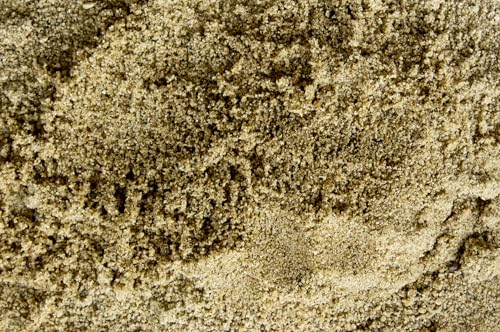
FINE WASHED MASONRY SAND – Fine-grain natural sand with a consistent texture for masonry, hardscape and outdoor home improvement projects.

Polymeric Sand with FLEXIBILITY, STRENGTH and BEAUTY: Ease your mind with revolutionary CERAMIC FLEX technology providing durability in joint widths from 1/8” up to 4”, in beautiful colors to make your paver or stone surfaces pop! (minimum 1" depth), with beautiful colors to make your paver or stone surfaces pop!
2. Geometric Cement Paver Patterns
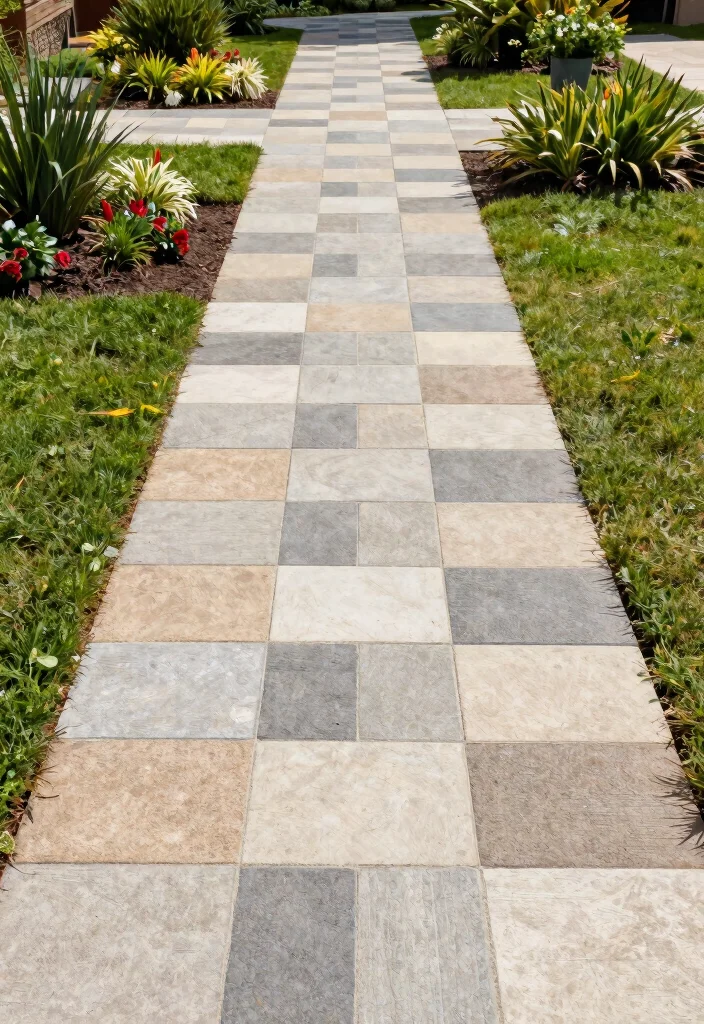
Elevate your garden’s style with geometric cement paver patterns that stand out against natural surroundings. Opting for large rectangular pavers arranged in eye-catching designs like checkerboards or herringbones can give your walkway a modern flair while enhancing drainage.
Mixing contrasting colors or textures not only amplifies visual appeal but also helps manage erosion by allowing water to flow freely. This design is perfect for those who want both style and practicality.
To achieve a stunning geometric walkway:
– Choose contrasting colors for depth and interest.
– Use even spacing to maintain a polished look.
– Ensure a level ground for stability during installation.
This option seamlessly combines aesthetics with eco-friendliness, making it ideal for garden enthusiasts.
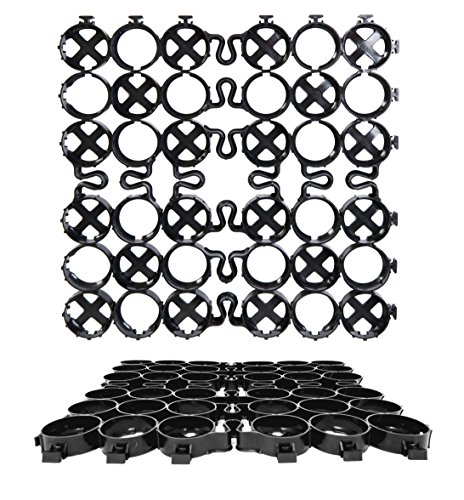
EASY TO USE: Our lightweight permeable pavers are easy for any level of DIYer to install; Feel proud of your own outdoor home improvements!

Premium HDPE Material ---> The ground grid paver is made of HDPE material with which is supersonically welded for tensile strength and high lateral. The landscape geo grid is 1885 LBS per square inch of coverage each unit when cells are filled.

Durable Hdpe Construction: Made of high density polyethylene, the geogrid owns stable chemical property, resists acid and alkali corrosion to fit all kinds of ground terrain
3. Paver Walkway with Built-in Drainage
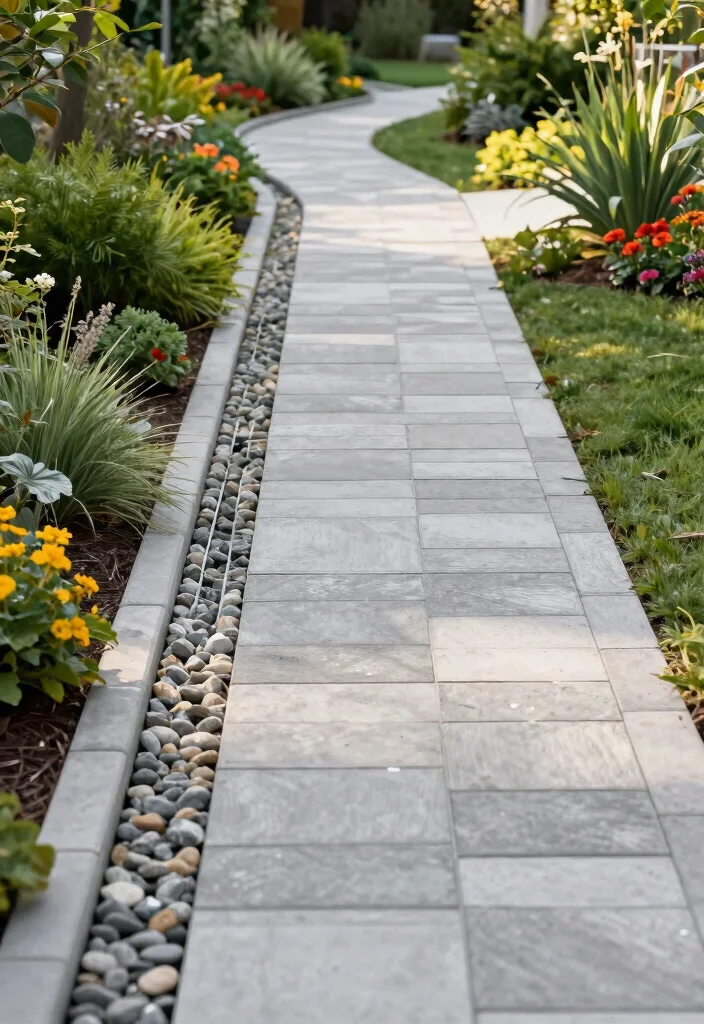
A paver walkway designed with built-in drainage is essential for keeping your garden dry and healthy. This innovative design involves strategically placed gaps between pavers or using permeable materials, allowing water to flow through and preventing erosion.
Surrounding the pavers with gravel or small stones enhances both aesthetics and drainage. By utilizing eco-friendly materials, you can help maintain soil health and promote sustainable gardening practices.
Steps to create an effective drainage system:
– Use gravel to frame your pavers for better drainage.
– Plan a slight gradient in your walkway to direct water.
– Ensure permeable materials are used for optimal flow.
This thoughtful design keeps your garden looking pristine while promoting a sustainable ecosystem.
Did you know that properly spaced gaps in a cement pavers walkway can cut surface runoff by up to 40%? Built-in drainage paired with gravel around the pavers keeps your garden dry and thriving, while letting water soak through for sustainable gardening.

【Reusable】: Garden stones can be used again immediately after you pour your first garden stepping stones, so you don't have to wait.

【Easy to Use】Very easy to handle, requiring no professional skills. Easy removal. You can complete many patterns in several minutes, the pavement concrete is ideal for decorating your favourite backyard or garden
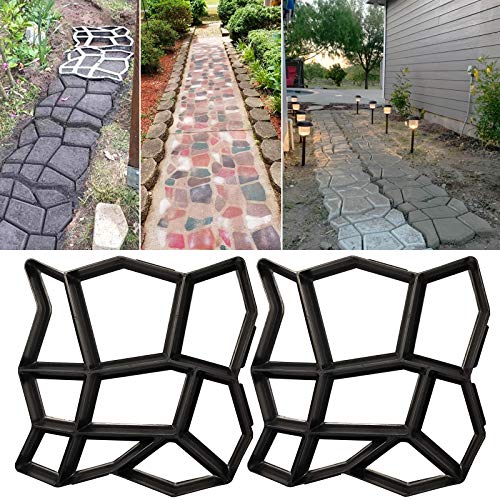
[DIY BOARD] This concrete Cement Board is design for DIY lovers, who want to decorate their garden road as they like, to give their pavement and yards some artistic sense.
4. Rustic Cement Paver Pathway
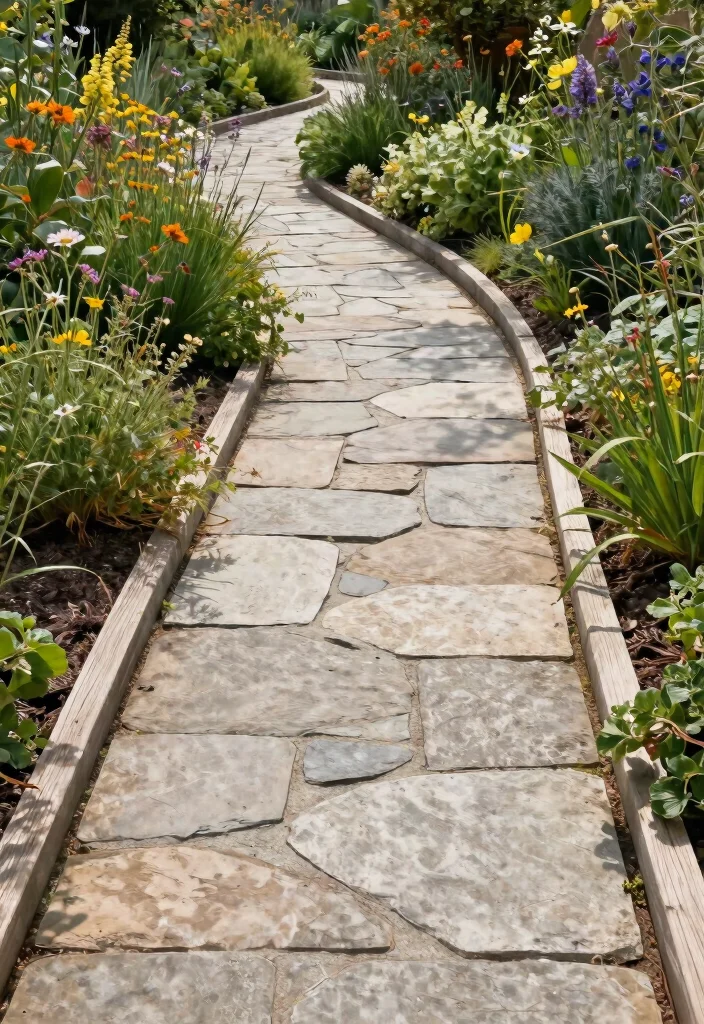
Capture the essence of nature with a rustic cement paver pathway that mimics natural stone. This design infuses warmth and character into your garden while ensuring durability and stability.
Textured finishes can give the path an earthy feel, blending seamlessly with the landscape. Pairing these pavers with wooden elements creates a cohesive rustic theme.
To enhance your rustic pathway:
– Combine with wooden edging for a unified look.
– Use irregular shapes to promote a natural vibe.
– Install on a sand base for easy adjustments.
This design not only embraces sustainability but also creates a welcoming atmosphere that invites exploration.

HEAVY DUTY ROAD FABRIC: Our woven polypropylene fabric is a true 4 oz, ensuring superior strength and durability for driveway and road stabilization. Don't settle for lighter weights when you can have the best.

MEDIUM DUTY – 4 Ounce Heavy Duty Geotextile – Don’t settle for lighter weights, the 4 ounce is tough and durable, non-woven fabrics are produced to be high-strength

4 OZ NON-WOVEN GEOTEXTILE FABRIC: 4 ounces per square yard, needle-punched black polypropylene for French drains, paver bases, retaining walls & light driveway underlayment. Separates soil from aggregate while letting water pass freely
5. Multi-Level Cement Paver Steps
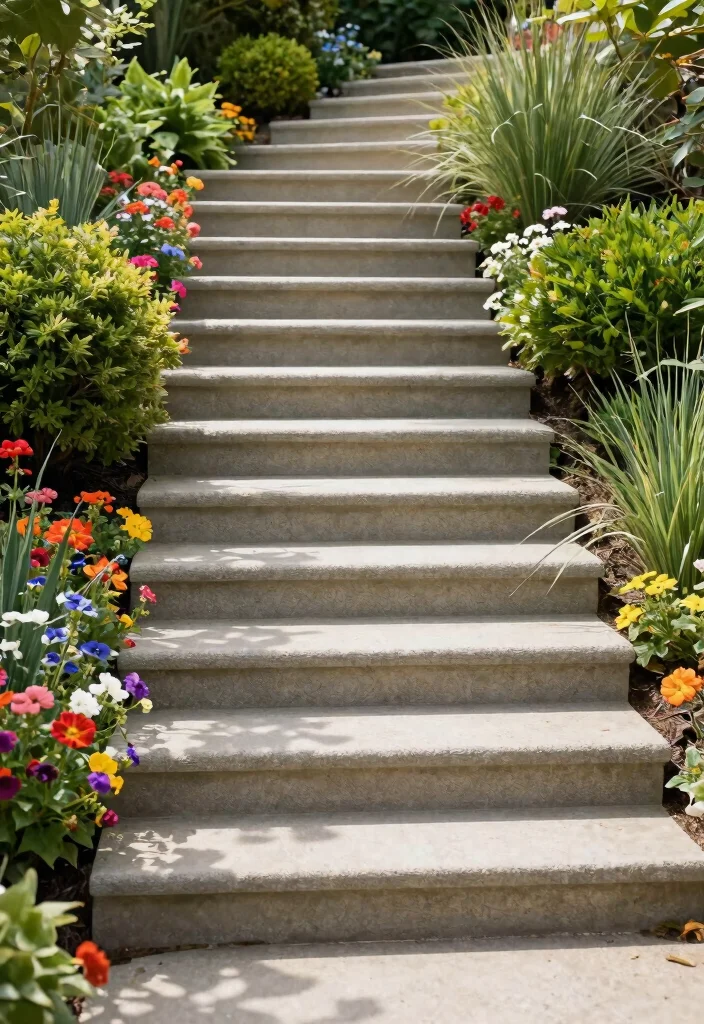
Transform your landscape with multi-level cement paver steps that add visual interest and accessibility. This design allows for safe navigation across varying elevations, showcasing beautiful planters or garden art along the way.
Wider pavers create a sturdy surface, perfect for enhancing the overall aesthetic. Planting trailing flowers at the edges can soften the hard lines of the steps, adding beauty to the structure.
Key considerations for multi-level steps:
– Choose wider pavers for stability.
– Incorporate trailing flowers for added charm.
– Ensure each step is level for safety.
This design not only elevates your garden’s look but also promotes safe and easy access.

Professional Polymeric Sand for Pavers Ideal jointing sand for patios, walkways, driveways, pool decks, and stone installations

{ Ideal For Multiple Application Types } Our sand is designed for driveways, walkways, and around a pool; For use with concrete pavers and wet cast based pavers

SRW Polymeric Sand for paver joints, patios, driveways, walkways, and retaining walls; fast-setting formula hardens with water to prevent shifting, erosion, weed growth, and ant infestations while creating long-lasting, professional-quality joints.
6. Interlocking Cement Paver Patterns
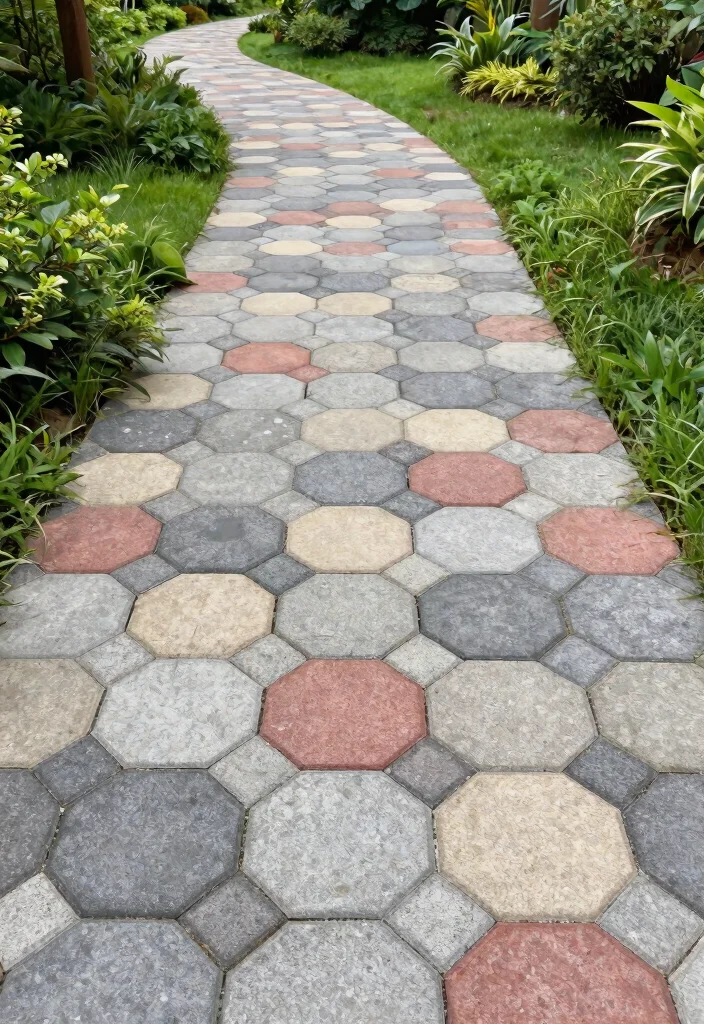
Create a stunning walkway using interlocking cement paver patterns that provide both beauty and stability. This design allows pavers to fit snugly together, reducing the risk of shifting or sinking over time.
Explore unique shapes like hexagons or octagons to add character to your path. These interlocking designs also promote better drainage, enhancing functionality.
Steps to achieve a flawless interlocking design:
– Highlight the interlocking pattern with contrasting colors.
– Start with a solid base for secure installation.
– Ensure correct height for each paver.
This robust yet stylish design turns your walkway into a captivating centerpiece in your landscape.
7. Cement Paver Walkway with Edging
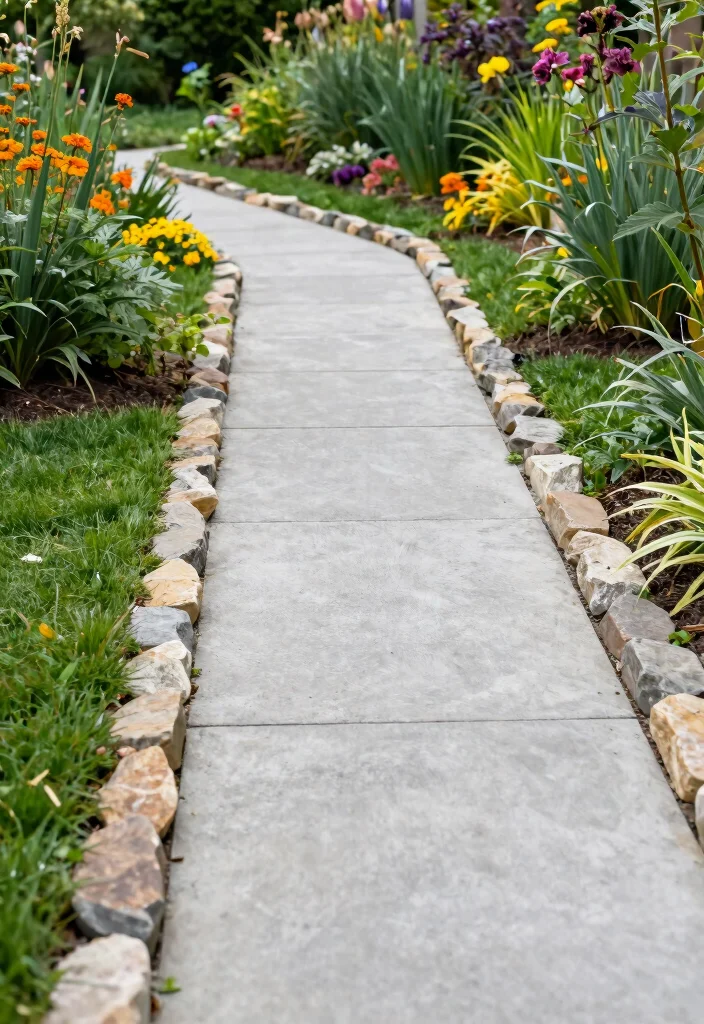
Enhance your cement paver walkway by adding stylish edging that defines and elevates the overall design. Choose natural stones or recycled materials to create an eco-friendly option that beautifully complements your pavers.
Edging serves as a barrier against grass and weeds, making maintenance simpler. Select colors that harmonize with your pavers for a cohesive look that ties the landscape together.
To effectively install edging:
– Ensure it’s at the same level as the pavers for a smooth transition.
– Choose complementary colors for visual impact.
– Consider using recycled materials for sustainability.
This small design element can significantly enhance your walkway’s aesthetic, making it a standout feature in your garden.

Wide Range of Applications: Our pavement is not limited to just gardens and outdoor spaces. It can be used in various settings such as homes, weddings, parties, restaurants, hotels, shopping malls, and bars. Enhance any environment with this versatile and easy-to-use

Designed with rhombus geometric patterns, it is beautiful and exquisite, adding a sense of fashion and art.
Geometric Rhombus Design: This rhombus-shaped walking paths maker mold creates stylish and artistic cement stepping stones that instantly elevate the look of your outdoor space. The precise geometric pattern ensures each paver looks professionally crafted, adding a modern touch to gardens, patios, or walkways without needing design skills.
8. Paver Walkway with Natural Stone Accents
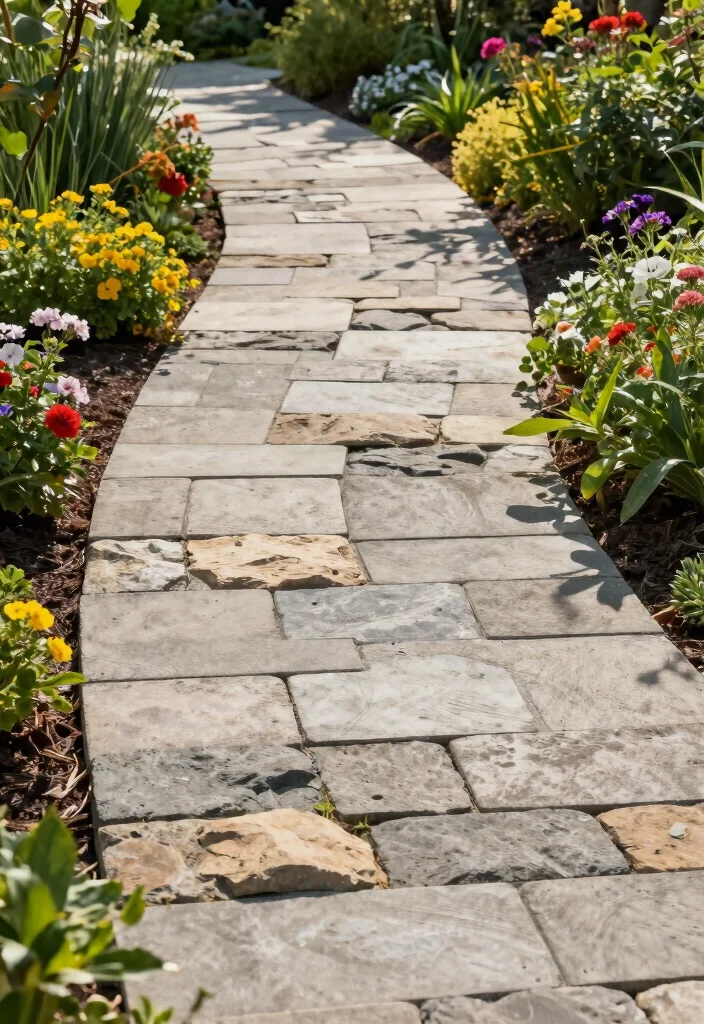
Incorporating natural stone accents into your cement paver walkway adds depth and texture, creating a unique and inviting look. This design beautifully blends the modern utility of cement with the organic appeal of stone, perfect for eco-friendly gardens.
Dispersing pebbles or small stones between the pavers yields a casual, organic feel. Additionally, natural stones can enhance drainage and prevent erosion, promoting sustainability.
Key tips for integrating stone accents:
– Secure stones with mortar for stability.
– Use smaller stones to create a casual look.
– Ensure a harmonious color palette for visual cohesion.
This design not only enhances your walkway’s beauty but also aligns with your gardening goals.

HEAVY DUTY – 6 Ounce Heavy Duty Geotextile – Don’t settle for lighter weights, the 6 ounce is tough and durable, non-woven fabrics are produced to be high-strength
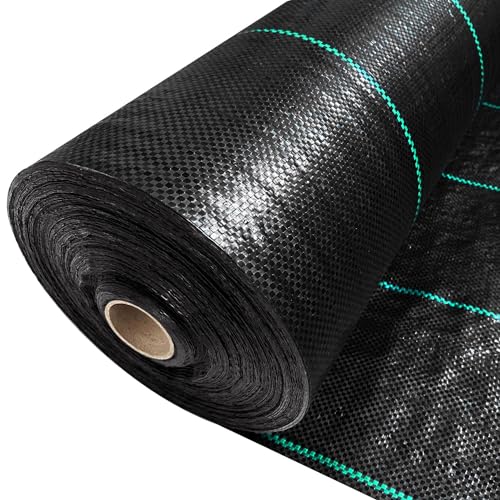
High Permeability Geotextile Fabric : Groweco geotextile fabric is highly permeable and breathable.Let the water and air to drain to the soil, maintaining soil moisture.The woven structure design of road fabric will let air and water through to preserve soil moisture levels without blocking water on the road surface

HEAVY DUTY 8 OZ GEOTEXTILE FABRIC: Heavy duty non woven polypropylene drainage and filter fabric for French drains, retaining walls, road stabilization, erosion control, landscaping, rip rap, geocell, and construction projects.
9. Colorful Cement Paver Walkway
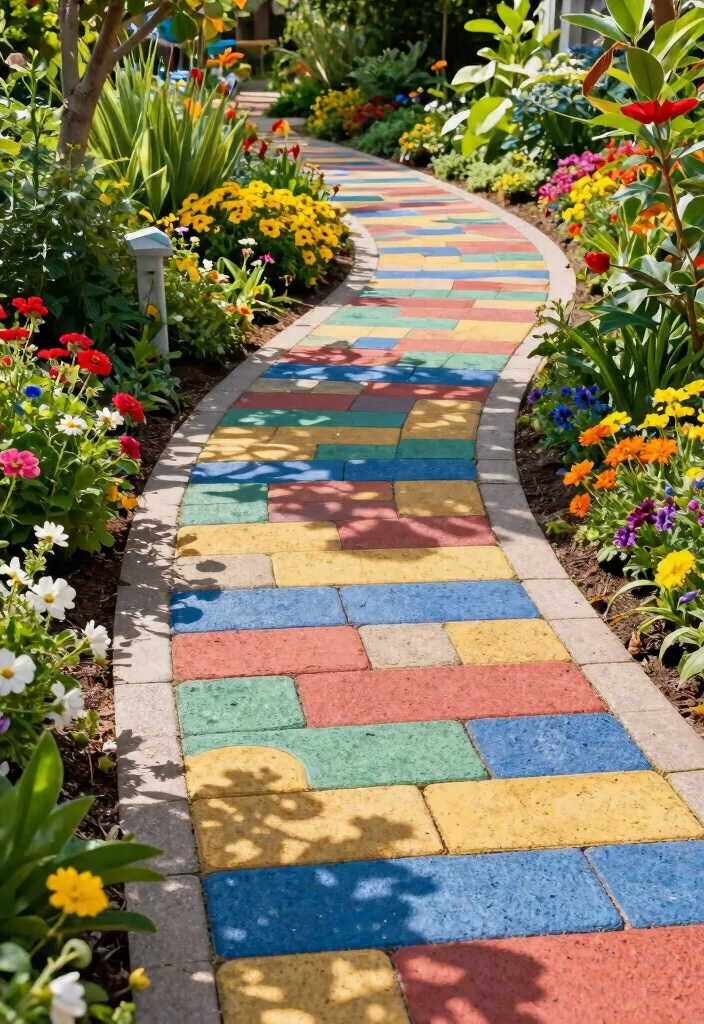
Light up your garden with a vibrant, colorful cement paver walkway! Using a variety of bright colors or playful patterns can create an exciting atmosphere, perfect for family-friendly spaces.
Mixing colors randomly offers a fun look, while defined sections can add structure to your design. This lively approach can uplift moods and make your outdoor area more inviting.
To create a colorful walkway:
– Use a variety of colors for a playful vibe.
– Ensure colors complement existing plants in your garden.
– Plan for easy maintenance of vibrant surfaces.
This cheerful design is perfect for hosting gatherings and encourages foot traffic through your garden.

Professional Polymeric Sand for Pavers Ideal jointing sand for patios, walkways, driveways, pool decks, and stone installations

{ Fight Every Weather Condition } Whether it be rain, snow or excessive sunshine; Our sand is designed to handle the rigors of anything mother nature can throw at your patio!
Premium polymeric sand for paver joints, stone joints, and brick joints, perfect for patios, driveways, walkways, garden paths, and outdoor hardscapes.
How To Install a Cement Paver Walkway
Tools You’ll Need:
– Rubber mallet
– Level
– Shovel
– Rake
– Measuring tape
– Landscape fabric
– Paver stones
– Sand
– Edging materials (optional)
Step 1: Measure & Plan
Begin by planning your walkway’s path. Use a measuring tape to determine the length and width of the area where you want to install the walkway. Mark the edges with stakes and string to visualize the layout. Consider any curves or angles you’d like to include for a unique design.
✔ Check that the path is at least 36 inches wide for comfortable walking space.
✔ Ensure the path is far from trees or any plants that could interfere with installation.
Step 2: Excavate the Area
Now it’s time to dig! Use a shovel to remove about 6 to 8 inches of soil from the marked area. This depth allows for a solid base and proper drainage. As you dig, ensure the ground slopes slightly away from any structures to prevent water pooling.
✔ Use a level to check the slope as you excavate.
✔ Smooth out the edges of the excavation for a neat finish.
Step 3: Lay Down Base Material
After excavation, add a layer of gravel or crushed stone to create a stable base. Spread the material evenly and compact it down. This step is crucial for preventing your cement paver walkway from shifting or sinking over time. Aim for a layer that is about 4 inches deep.
✔ Use a level to ensure the surface is even when finished.
Step 4: Install Landscape Fabric
Place landscape fabric over the compacted base. This fabric helps prevent weeds from growing through your walkway while allowing drainage. Cut the fabric to fit snugly in the area, overlapping edges if necessary.
✔ Secure the fabric with landscape pins to keep it in place.
✔ Make sure there are no wrinkles that could disrupt the paver layout.
Step 5: Add Sand Layer
Spread a 1-inch layer of sand over the landscape fabric. The sand acts as a bedding for your pavers, allowing for a level surface and easy adjustments. Use a rake to distribute the sand evenly and create a smooth layer.
✔ Level the sand and compact it lightly with your level.
Step 6: Lay the Pavers
Begin placing your cement pavers in the desired pattern. Start from one end and work your way to the other, ensuring each paver is level with the next. If you are using a specific design like geometric or rustic patterns, refer to your plan to keep everything aligned.
✔ Tap each paver gently with a rubber mallet to secure it in place.
✔ Use spacers or a consistent gap to maintain even spacing between pavers.
Step 7: Fill Gaps with Sand
After all pavers are laid, spread sand over the entire walkway. Use a broom to sweep the sand into the gaps between the pavers. This step reinforces the pavers and helps prevent shifting.
✔ Mist the walkway lightly with water to help settle the sand.
✔ Wait for the sand to dry before walking on your new walkway.
⏱ Time: ~3-5 hours | 💡 Tip: Have a friend help with the installation. It makes the process smoother and quicker!
With these steps, you can confidently install a cement paver walkway that adds beauty and functionality to your garden. Take your time with each step to ensure durability, and enjoy your stunning new path!
10. Minimalist Cement Paver Walkway
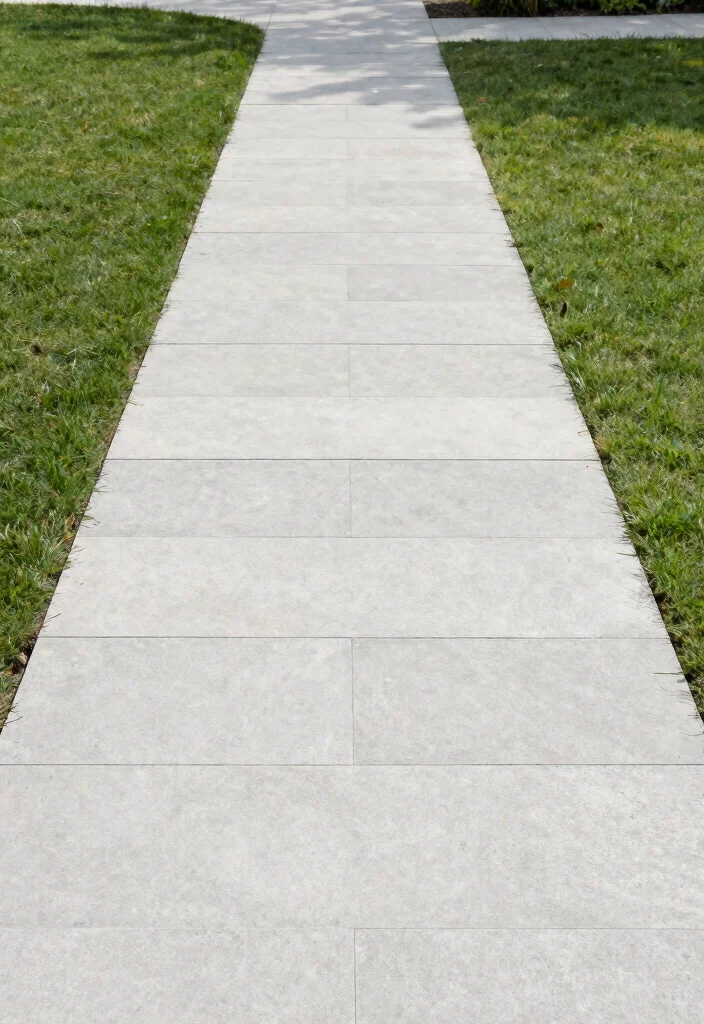
For those who appreciate clean lines and simplicity, a minimalist cement paver walkway creates a modern design in your garden. Using large, uniform pavers spaced evenly apart results in a sleek path that is easy to navigate and maintain.
Surrounding the walkway with simple grass or low-maintenance ground cover keeps the focus on the path itself. This design fosters a calming outdoor environment, perfect for relaxation.
To achieve a minimalist look:
– Use large uniform pavers for a clean aesthetic.
– Surround with low-maintenance plants for simplicity.
– Ensure level installation for a smooth finish.
This elegant design suits contemporary gardens, providing a serene walking experience.
11. Textured Cement Paver Walkway
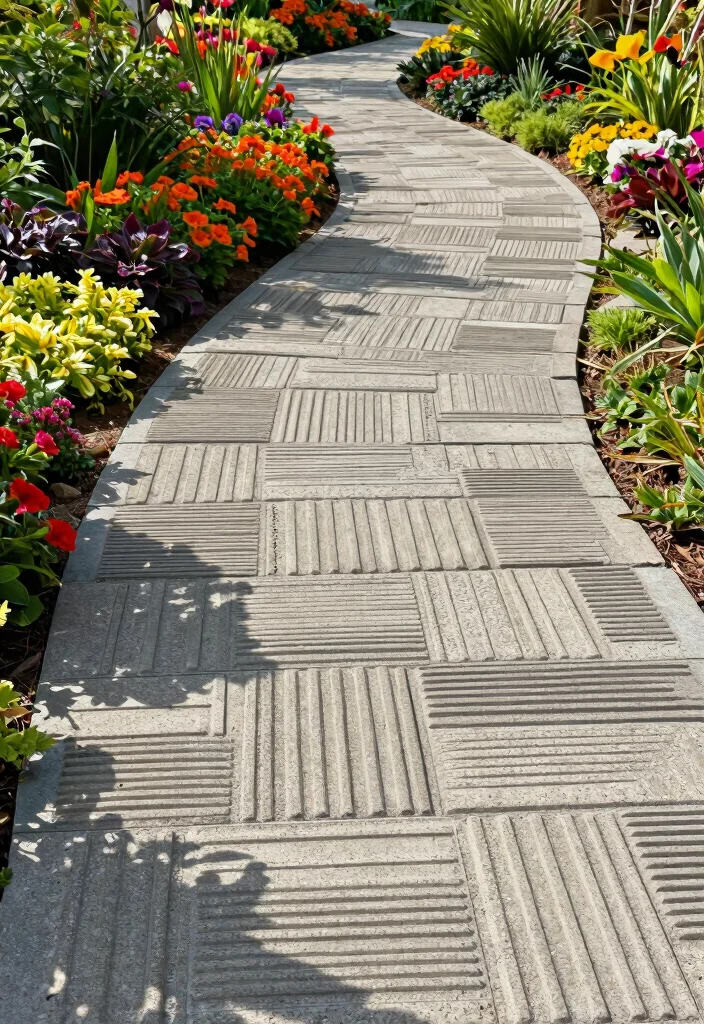
Textured cement pavers offer practicality and beauty, providing a non-slip surface ideal for walkways. This design can showcase various textures—like ribbed or stamped finishes—that add visual interest while enhancing safety.
Combining different textures can create a dynamic and engaging walkway. Textured surfaces also help prevent erosion, offering better traction for foot traffic.
Key points for textured pavers:
– Use heavy-duty adhesive for secure installation.
– Combine different textures for a unique design.
– Ensure non-slip surfaces for safety.
This design is perfect for high-traffic areas, ensuring safety while maintaining style.
12. DIY Cement Paver Walkway
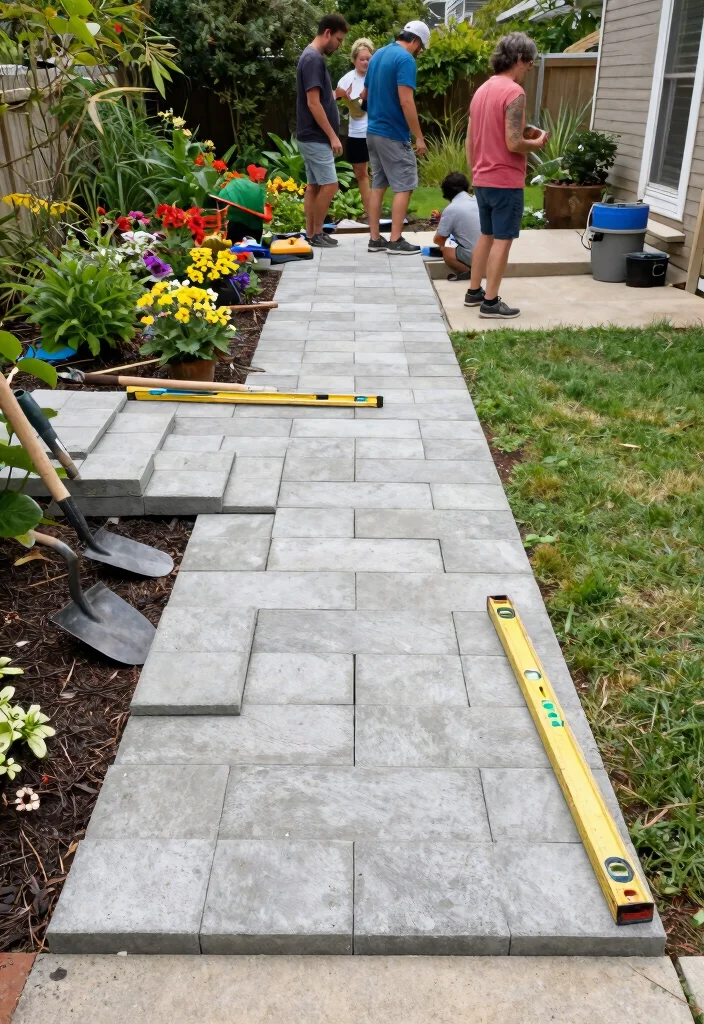
Building a DIY cement paver walkway is a fulfilling project that allows you to personalize your garden while saving money. This hands-on approach gives you the freedom to select materials, colors, and layout that best suit your outdoor space.
Planning your layout in advance, whether by sketching or using string, can help visualize the final result. Involving family or friends can turn this project into a fun and memorable event.
Steps for a successful DIY walkway:
– Plan your layout before starting the installation.
– Gather all necessary tools for the job.
– Use a level and tamper for proper installation.
This eco-friendly option not only enhances your garden but also fosters creativity and teamwork.
DIY cement pavers walkway ideas are surprisingly doable—and worth the effort. Grab string, sketch your path, and enlist a friend or two; you’ll save money, enjoy the process, and end up with a durable, eco-friendly path that feels made for your garden.
13. Sustainable Cement Paver Choices
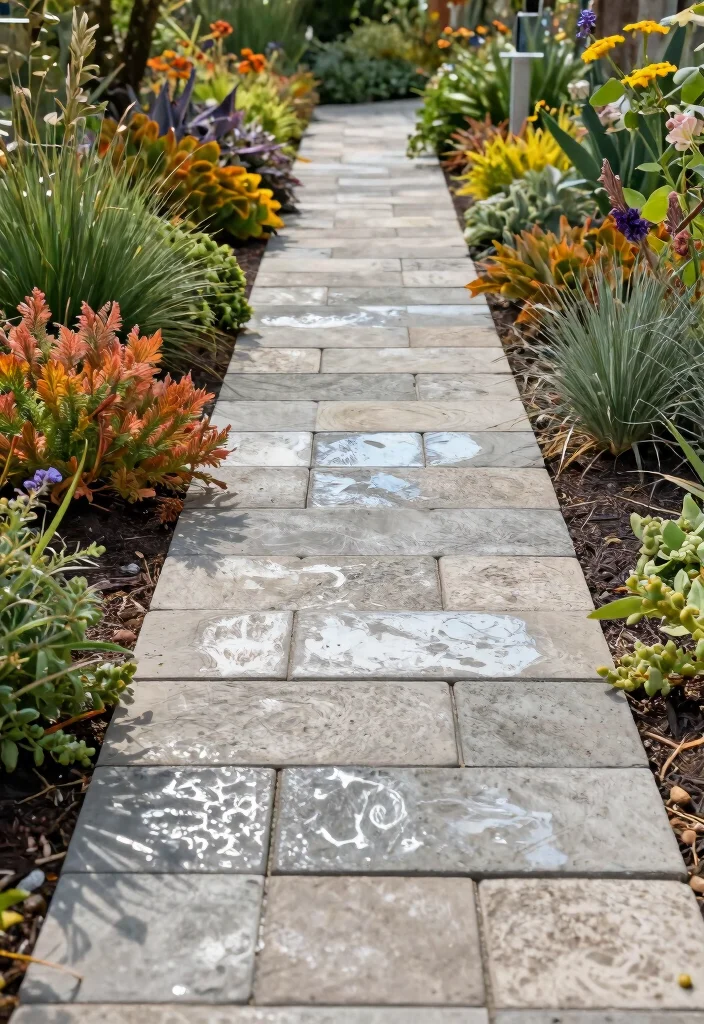
Opting for sustainable materials in your cement paver walkway can significantly reduce your environmental impact. Look for pavers made from recycled materials or those that support local ecosystems, ensuring your garden serves as a haven for wildlife.
Choosing pavers with a high solar reflectance index helps keep the area cooler, especially in warmer climates. Additionally, using locally sourced materials supports the economy and minimizes transportation emissions.
To create a sustainable walkway:
– Research eco-friendly adhesives for installation.
– Opt for locally sourced materials to minimize impact.
– Choose pavers that promote local ecosystems.
By making informed choices, you not only beautify your garden but contribute positively to the environment.
Fun fact: sustainable cement pavers walkway options made with recycled materials can slash embodied carbon by up to 30%. Locally sourced, high solar reflectance options stay cooler and support wildlife-friendly gardens in your sustainable yard.
14. Low-Maintenance Cement Paver Walkway
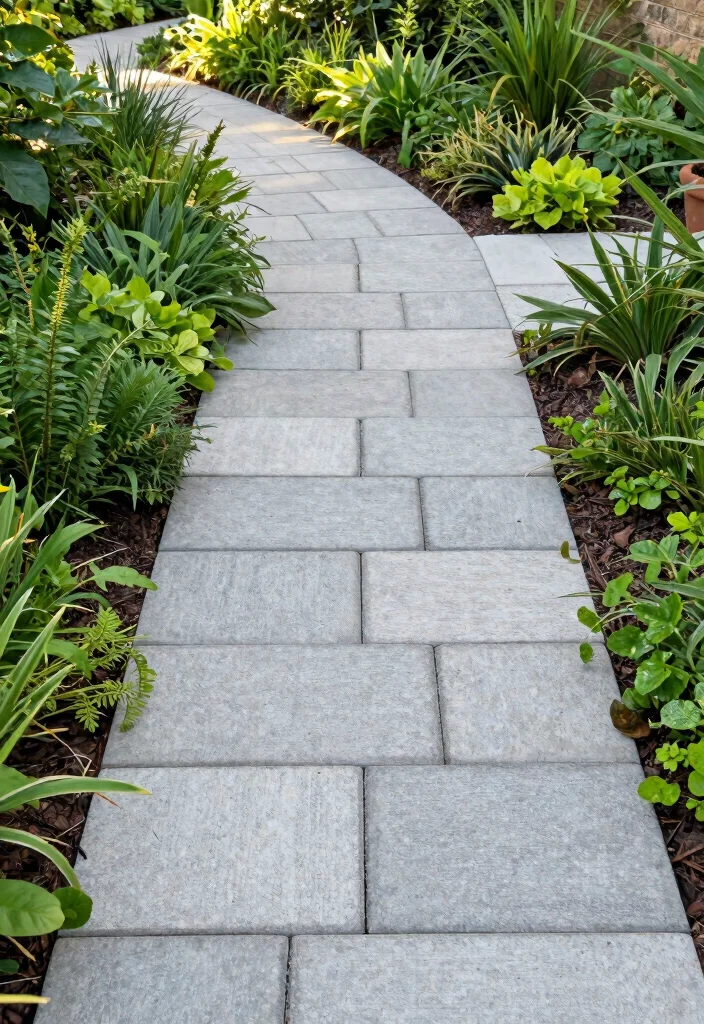
A low-maintenance cement paver walkway is perfect for busy gardeners who want beauty without the hassle. Selecting durable pavers that stand up to wear and tear while requiring minimal upkeep can transform your outdoor space.
Choosing pavers that resist staining and fading helps maintain their vibrant appearance over time. Incorporating ground covers between pavers can suppress weeds while adding color and texture.
To ensure low maintenance:
– Choose stain-resistant pavers for longevity.
– Space pavers appropriately for natural growth of ground cover.
– Select durable materials that withstand the elements.
This design allows you to enjoy your garden without spending hours on upkeep.
15. Seasonal Cement Paver Walkway Designs
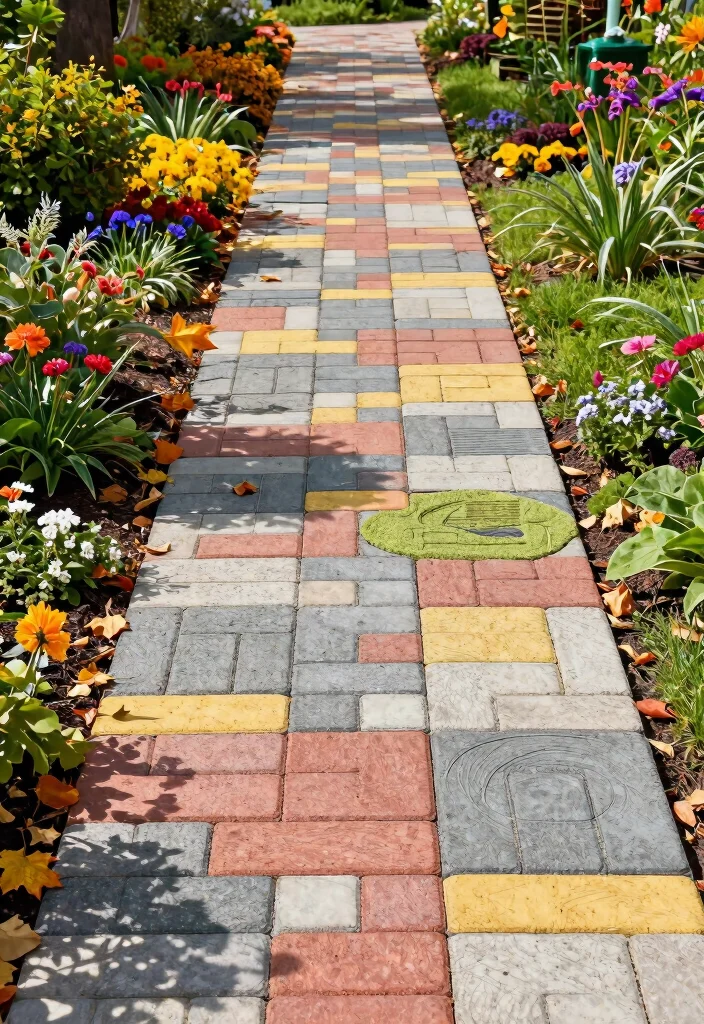
Embrace creativity with seasonal designs in your cement paver walkway, allowing for flexibility throughout the year. You can change layouts or add decorations to reflect different seasons—like leaves in fall or flowers in spring.
Using removable decorations makes it easy to swap out elements, giving your walkway a fresh look every few months. This approach not only keeps your outdoor space lively but also enhances the garden’s beauty year-round.
Key tips for seasonal designs:
– Use removable decorations for easy updates.
– Install pavers with a hidden compartment for seasonal elements.
– Plan for versatile designs that can adapt.
This innovative approach adds a unique identity to your outdoor space, celebrating nature’s beauty across all seasons.
Conclusion
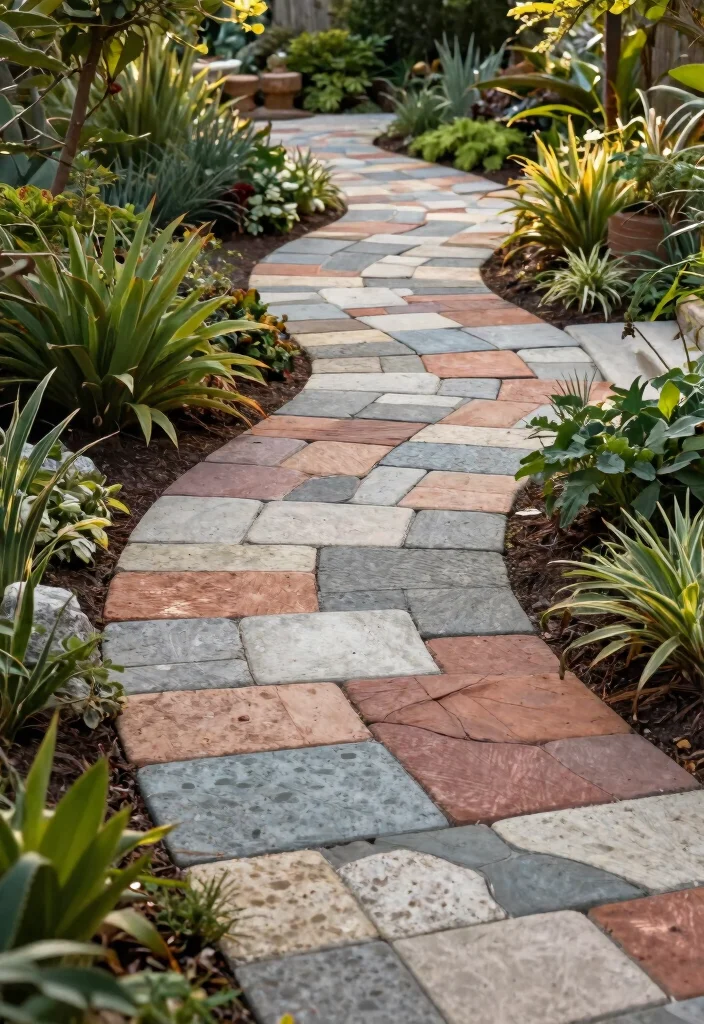
Choosing the right cement paver walkway design can elevate your garden while being eco-friendly and practical.
From colorful patterns to rustic textures, there’s a design for every taste and garden style.
As you plan your walkway, consider incorporating sustainable materials and innovative designs to enhance the beauty and functionality of your outdoor space.
Frequently Asked Questions
What makes a cement pavers walkway a durable and eco-friendly choice for a sustainable garden?
A cement pavers walkway offers durability and eco-friendliness by combining strong materials with smart design. With proper base preparation, quality edging, and good joint material, it resists shifting and sinking for years of service. Choose durable walkway materials and look for options with recycled content and permeable joints to manage rainwater. A permeable design reduces runoff and supports sustainable gardening, while routine cleaning and occasional sealing keep colors vibrant. Practical steps: plan the layout, pick high-strength pavers, prepare a stable base (crushed stone sub-base and sand), install with even spacing, fill joints with polymeric sand, and install edging to contain the pavers.
How can I design a garden pathway using cement paver walkway ideas that resist erosion and shifting over time?
Designing a pathway that resists erosion starts with a solid base and smart drainage. Plan a route that’s wide enough for comfort and aligned with your garden’s flow, and use edging to keep the pavers in place. Use a base of compacted aggregate and a well-planned slope to encourage drainage; consider garden pathway design principles like gradual curves and change of elevation to distribute load. In joints, choose erosion-resistant options like polymeric sand or cementitious grout. Finish with an aesthetic touch: color, texture, and pattern that hide minor movement over time.
What are the essential cement paver installation tips to ensure a long-lasting outdoor walkway?
Here are essential cement paver installation tips to keep a walkway solid for years: start with a geotextile layer, then a stable sub-base of compacted crushed stone, and a well-draining top layer. Set pavers with consistent gaps and use edging to lock them in. Fill joints with polymeric sand or a breathable cementitious grout to prevent weed growth and erosion. Avoid mudded mortar under pavers, which can crack in freeze-thaw; seal the surface if you’re in a dry, sunny climate to reduce staining. By following these cement paver installation tips, you’ll build a durable walkway that withstands weather and heavy foot traffic.
Are cement pavers walkways a low-maintenance option that still looks great in a garden?
Yes—when installed correctly, cement pavers walkways require minimal upkeep. Regularly sweep, wash away algae, and reseal every few years if you used a protective sealant. Choose low-maintenance joint options like polymeric sand to curb weed growth and reduce cleaning. In a sustainable garden, pick pavers with neutral tones that resist heat, and consider permeable joints to manage rainwater without extra maintenance. You can keep the look fresh with periodic cleaning and a fresh seal if needed, but maintenance stays practical and manageable.
What factors should I consider to keep eco-friendly cement paver walkways sustainable in my garden?
Think about materials, installation, and water management. Look for cement pavers with recycled content or low-emission production, and use permeable joints to improve drainage and reduce runoff—an important part of eco-friendly cement paver walkways in a sustainable garden. Plan a drainage-friendly layout that avoids pooling, include edging to prevent erosion, and choose a base system that lasts in your climate. Long-term durability means fewer replacements and less waste, so invest in quality installation, proper base, and a maintenance plan that suits your environment.
Related Topics
cement pavers walkway
garden pathway design
outdoor landscaping
durable walkway materials
eco-friendly gardening
cement paver installation
erosion-resistant walkways
sustainable landscaping
beginner friendly
easy DIY
landscape design
seasonal gardening