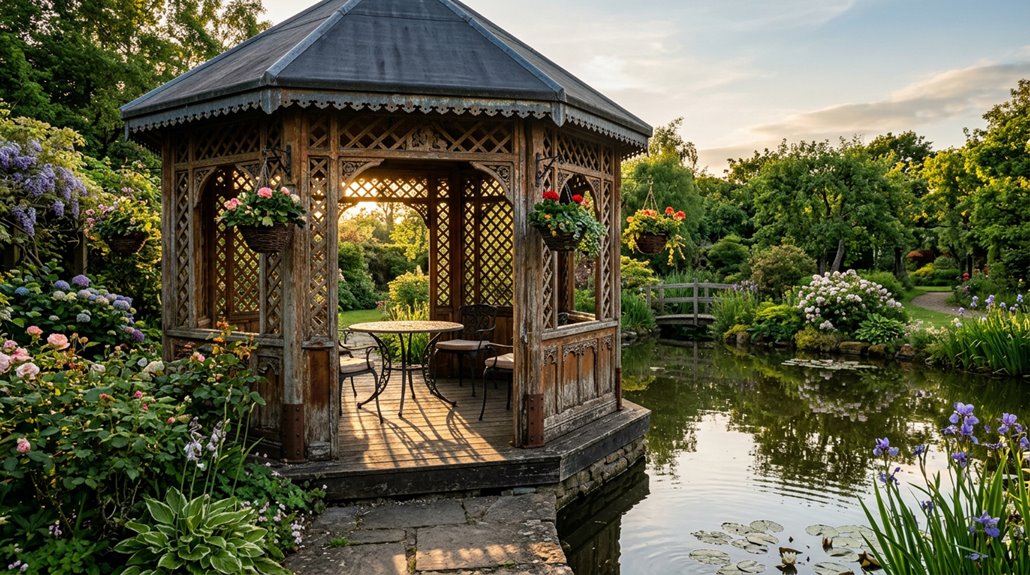
A gazebo transforms your backyard into an outdoor room where you can dine, entertain, relax, or soak in a hot tub. This guide covers everything you need to know: defining your purpose, choosing between sturdy hardtop or flexible soft-top structures, sizing from 10×12 to 16×20+, selecting materials like wood or aluminum, planning installation as DIY or professional builds, setting budgets from entry-level to premium, and maintaining year-round durability. You’ll discover hosting layouts, weather defenses, and comfort features that enhance your outdoor space.
What Is a Gazebo and Why You Need One?
A gazebo is a freestanding, roofed shelter that transforms your outdoor living space into something special. It functions as an outdoor room where you can relax, dine, or gather with friends and family while protected from sun and rain.
Gazebos enhance your outdoor experience by providing shade and shelter for any activity. Whether you’re reading a book, practicing yoga, or hosting events, your gazebo becomes the focal point of your yard. Beyond functionality, gazebos boost your home’s curb appeal and property value. With various styles available, from traditional wood to modern hardtop designs, you can select a gazebo that matches your aesthetic and creates the outdoor space you want.

Tough Enough for 80 MPH Weather: This heavy-duty hardtop gazebo crafted from galvanized steel and aluminum is expertly designed to withstand unpredictable severe weather including storms with winds exceeding 80 MPH.

Tough Enough for 80 MPH Weather: This heavy-duty hardtop gazebo crafted from galvanized steel and aluminum is expertly designed to withstand unpredictable severe weather including storms with winds exceeding 80 MPH.

【Usage Precautions】 To ensure maximum stability and enable long-term outdoor use, be sure to secure the canopy with ground stakes or expansion bolts. During extreme weather conditions(strong winds, heavy rain, storms, or snowfall), please remove the canopy, curtains, and mesh screens to prevent damage and extend the product’s service life.
Define Your Purpose: Dining, Entertaining, Hot Tub, or Retreat
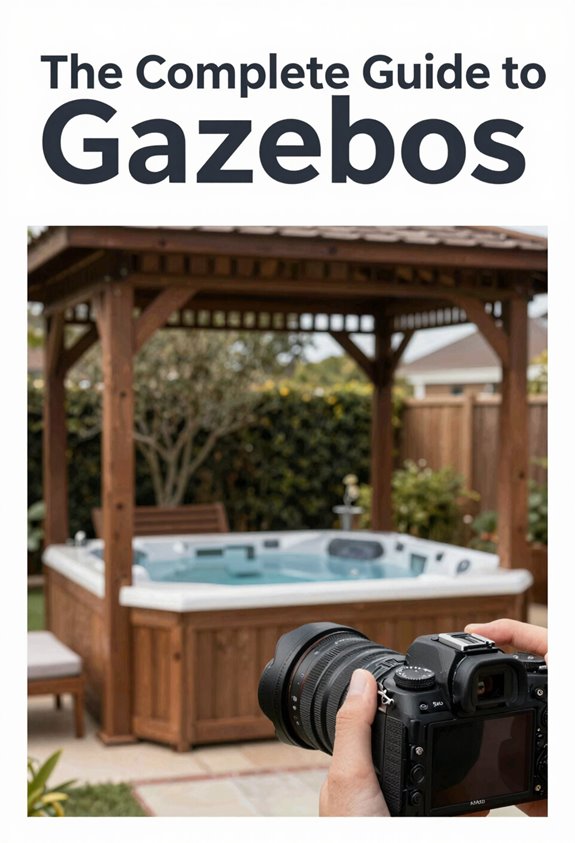
What will your gazebo become? Your outdoor structure serves one of four purposes: dining, entertaining, hot tub housing, or retreat. Your answer transforms everything and shapes your entire setup.
| Purpose | Best Size | Key Features |
|---|---|---|
| Dining | 10×12 to 12×12 | Hardtop roof, table clearance |
| Hot Tub | 12×14+ | Ventilation, humidity resistance |
| Retreat | 10×10 to 12×12 | Screens, soft lighting, privacy |
Daily dining demands a hardtop structure fitting your table comfortably. You need real space around chairs. Hot tub setups require serious ventilation and weather durability because moisture is relentless. Retreat gazebos serve as your sanctuary, so prioritize enclosure options and ambient lighting that encourage extended use. Selecting the right purpose means investing in a functional outdoor space that meets your specific needs.

Warranty & Support:Lifetime warranty on the motor; 3-year free replacement for blades, remote, and light. 90-day returns & 24/7 customer support included.
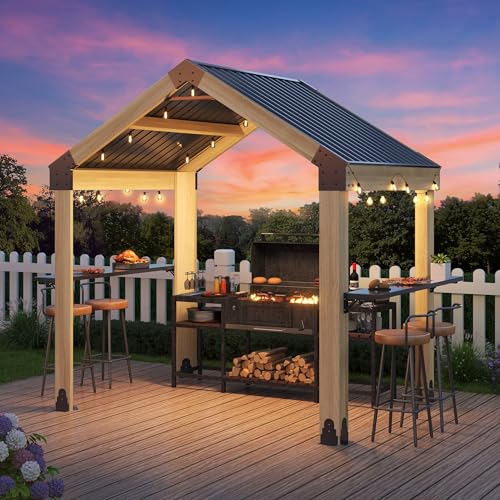
🌲Wooden Grill Gazebo: This BBQ gazebo is made of sturdy wood, making it resistant to rust and capable of withstanding harsh weather conditions. For enhanced protection, we recommend applying an additional water-based stain.

Heavy Duty & Durable Design – Crafted from premium spruce wood and reinforced with a double metal roof, this permanent gazebo offers long-lasting stability and structural strength for your outdoor space all year round
Choose Fixed or Portable: Hardtop vs. Soft-Top Gazebos
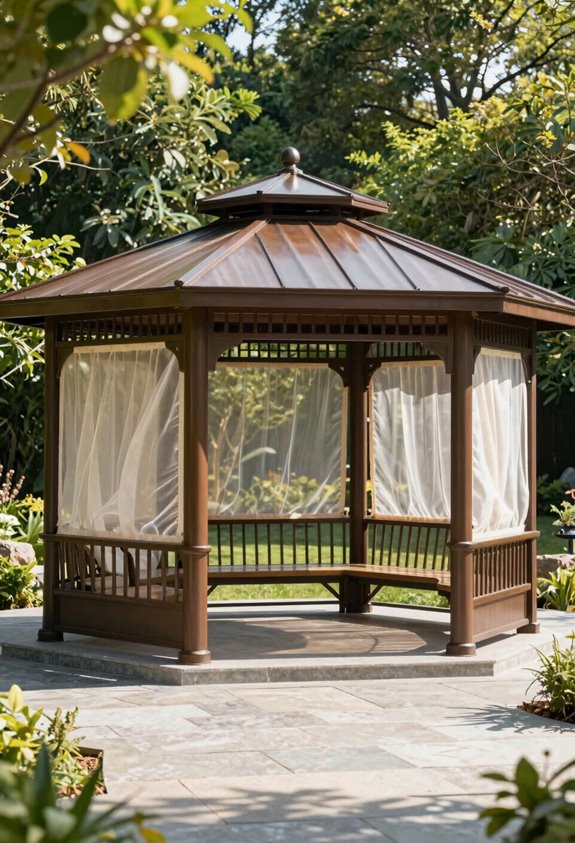
When choosing your gazebo, the decision between a sturdy hardtop and a flexible soft-top depends on your priorities. If you need year-round protection that handles snow and intense sun, a hardtop is the better choice. If you require something you can move around or pack away when winter arrives, a soft-top offers that flexibility. Consider how durability, portability, and maintenance requirements align with your outdoor space needs.

Polycarbonate Roof Design: This hardtop gazebo features a high-quality polycarbonate roof that effectively blocks harmful UV rays while allowing soft, natural light to pass through. Additionally, built-in hanging points on the ceiling allow for easy installation of fans, lights, or decorative items for added convenience

GALVANIZED STEEL DOUBLE ROOF: This patio gazebo has a double-layer galvanized steel roof that offers great ventilation and airflow. Its sturdy construction provides protection against wind, rain, and snow, while the galvanized steel material ensures thermal insulation, waterproofing, and noise reduction.

DOUBLE-TIER GALVANIZED ROOF: This hardtop gazebo features a double-layered, galvanized iron top that offers superior protection against fading and enhances durability. The vented roof promotes airflow and heat dissipation, even during windy conditions. The roof center includes two sturdy hook for hanging electric lights or fans, elevating your outdoor experience
Durability And Year-Round Protection
Because you’ll want your gazebo to stand strong through scorching summers and freezing winters, choosing between a hardtop and soft-top design is one of the most important decisions you’ll make. Hardtop gazebos provide year-round protection. Made from steel, aluminum, or polycarbonate, they shield you from 100% of UV rays and handle heavy snow loads without structural failure. Unlike soft-top gazebos with canvas or polyester fabric, hardtop structures won’t tear in wind or require seasonal removal. Steel frames resist rust with proper coating, while aluminum stays lightweight and corrosion-resistant. Integrated gutters and weatherproof seals keep rain away from your space. You’re investing in durability that lasts decades.
Portability Versus Installation Permanence
Now that you’ve seen how hardtop gazebos shield you through every season, consider whether you want your gazebo staying put in one spot or moved around.
A gazebo is a freestanding structure, but how you set it up makes all the difference. Fixed gazebos demand concrete anchors and permits; they’re serious commitments that transform your backyard permanently. You’ll appreciate the stability, especially when winter storms arrive. Portable gazebos need just minimal anchoring and no permanent groundwork. You can relocate them for parties, pack them away seasonally, or transport them to different areas. Choose fixed if you’re building your forever outdoor gathering place. Pick portable if you want flexibility and ease. Either way, you’re selecting the option that best serves your specific needs.
Weather Resistance And Maintenance Needs
How much maintenance are you willing to handle? Your answer shapes everything about which gazebo is right for you. Hardtop gazebos with steel or aluminum frames offer outstanding weather resistance, blocking UV rays completely and handling heavy snow effectively. Soft-top models work well for mild climates but require seasonal removal when winter arrives, since canvas and polyester tear easily in strong winds.
| Feature | Hardtop Fixed | Soft-Top Portable |
|---|---|---|
| Wind Resistance | Superior | Prone to tearing |
| Snow Load Capacity | Excellent | Limited |
| UV Protection | Complete blocking | Partial protection |
| Maintenance Needs | Minimal year-round | Seasonal removal |
Fixed structures perform better in demanding climates, while portable options work well seasonally. Choose based on your local weather patterns and available maintenance time.
Match Size to Your Space: 8×8 to 16×20 and Beyond
What’s the perfect gazebo size for your yard? Matching your space to the right dimensions makes all the difference.
Small gazebos (8×8 to 10×10) work well for compact patios or grilling zones. Medium sizes (10×12 to 12×12) fit standard dining tables beautifully, giving you comfortable seating with breathing room. Larger gazebos (12×16 and beyond) unlock possibilities like outdoor kitchens or poolside lounges where friends can gather.
Maintain 2–3 feet of clearance around all sides. This prevents crowding, ensures airflow, and lets you move freely around furniture. For anything beyond 16×20, consider custom pavilions that balance scale with your yard’s unique features.
The right size creates a functional outdoor space tailored to your needs and property layout.

[All-purpose & Versatile Applications]: Universal replacement mesh netting for 10x12ft gazebo canopy frame; Offers material blockage for hygiene & high visibility for promoting your products and provide protection for edible things sanitary; for have a dinner or rest in backyard, family gatherings, picnics, camping and other outdoor events

Durable Material: Gazebo replacement curtains are made of durable polyester that is waterproof and UV resistant. Sturdy material prevents tearing and keep rain and wind out of your rest area. Canopy screen walls hold up well even in strong winds

Durable Material: Gazebo replacement curtains are made of durable polyester that is waterproof and UV resistant. Sturdy material prevents tearing and keep rain and wind out of your rest area. Canopy screen walls hold up well even in strong winds
Select Gazebo Materials: Wood, Metal, Vinyl, or Composite
Your gazebo’s material choice is the most important decision you’ll make. It determines how long your structure lasts, how much time you’ll spend maintaining it, and whether you’re enjoying your outdoor space or constantly fixing it.
Wood offers a traditional aesthetic that makes any backyard feel welcoming, yet cedar and redwood demand regular maintenance to fight weathering and pests. Consider these factors:
- Metal gazebos (steel or aluminum) deliver exceptional durability with minimal upkeep, while aluminum resists corrosion beautifully
- Vinyl gazebos resist fading and clean easily, keeping that fresh appearance year after year
- Composite materials blend wood’s charm with superior durability, resisting moisture and insects better than solid wood
Hardtop designs extend year-round enjoyment through solid weather protection, though soft-tops cost less initially. Select the material that matches your lifestyle and maintenance capacity.

[EASIEST SET UP]: Patented one push CENTERLOK technology – central hub locks out all four legs with a single push. Then use the soft pinch-free buttons to set the leg height. Next generation canopy designed so two people can set it up in seconds with no tools necessary.
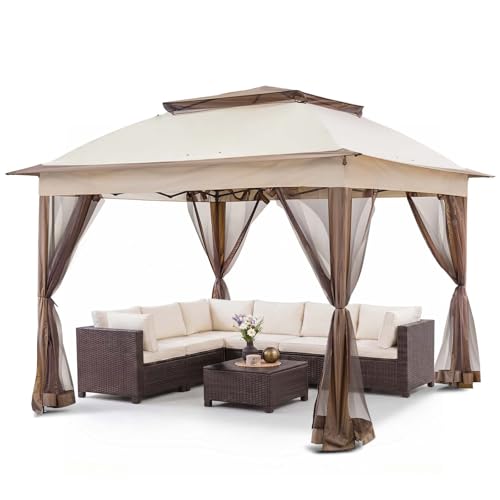
INSTANT SETUP & PORTABLE DESIGN: Quick pop up assembly in minutes with no tools required. Lightweight steel frame with carrying bag included, perfect for camping, backyard parties, beach trips, and outdoor events. Compact storage when not in use
Evaluate Roof Options for Weather Protection and Durability
Since your gazebo’s roof keeps you dry and comfortable, this choice matters significantly. You’ve got two main paths: hardtop or soft-top roofs. Hardtop options, steel or polycarbonate, deliver superior roof durability, handling heavy snow loads and blocking 100% UV rays. Steel’s incredibly tough, while polycarbonate lets natural light shine through. Soft-top roofs like canvas cost less upfront but tear easily in high winds and need seasonal removal in cold climates.
Consider vented or dual-tier designs that reduce wind lift and improve airflow during gusts. Weigh light transmission, weather resistance, durability, and maintenance against your climate and budget. The right roof choice directly influences how long your gazebo lasts and how much upkeep you’ll need.

Tough Enough for 80 MPH Weather: This heavy-duty hardtop gazebo crafted from galvanized steel and aluminum is expertly designed to withstand unpredictable severe weather including storms with winds exceeding 80 MPH.

Extend Space with Wall Mounted Gazebo - The 8’x12’ lean to hardtop gazebo extends your private space to a large extent. Install the domi gazebo at the entrance of your home, you can enjoy your afternoon tea time leisurely. The pc panel on the side can protect you from small rain and partially block the sunlight.

Tough Enough for 80 MPH Weather: This heavy-duty hardtop gazebo crafted from galvanized steel and aluminum is expertly designed to withstand unpredictable severe weather including storms with winds exceeding 80 MPH.
Will Your Gazebo Hold Up in Your Climate?
I’ll help you choose a gazebo that stands up to your local weather, because nothing’s worse than watching your outdoor shelter fall apart after a rough winter or windstorm. You’ll want to consider three critical factors: the materials’ weather resistance, how much snow weight your roof can handle, and whether it’ll stay put during high winds. These elements directly determine whether your gazebo becomes a long-lasting retreat or a frustrating investment. Let’s explore what makes some gazebos absolute champions in tough climates while others need serious maintenance.
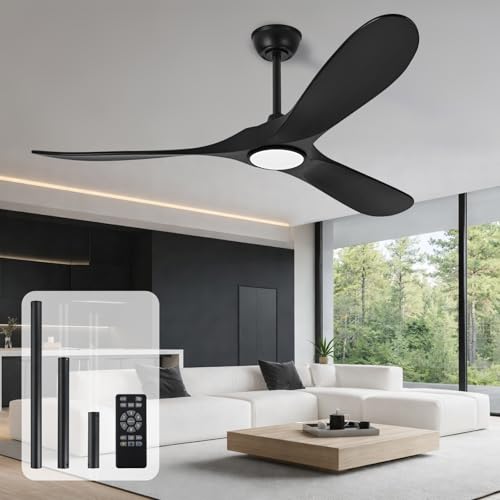
Warranty & Support:Lifetime warranty on the motor; 3-year free replacement for blades, remote, and light. 90-day returns & 24/7 customer support included.

HIGH QUALITY MATERIAL- Crafted with FSC-certified, this Hardtop gazebo is made using sturdy ceder frame and black galvanized steel top, With 4.6" x 4.6" heavy-duty legs for rock-solid stability, this permanent gazebo offers long-lasting stability and structural strength for your outdoor space all year round

Upgraded Spruce WOOD Frame: Wooden hardtop gazebo is made of FSC certified 4.7x4.7 inch spruce wood. We advocate ecological sustainability when making this wooden gazebo, seamlessly integrating your terrace or backyard with outdoor space. Compared to cedar wood, it has stronger durability, strength, and crack resistance, and supports all-weather use.
Weather Resistance Materials
How well your gazebo handles Mother Nature depends almost entirely on what it’s made of. Understanding weather resistance materials is crucial for your outdoor space.
What matters most:
- Hardtop roofs like steel block 100% UV rays and handle heavy snow loads, while polycarbonate offers durability with natural light transmission
- Metal frames (aluminum or steel) resist corrosion and pests far better than wood, ensuring long-term stability through varied weather conditions
- Integrated features such as vented canopies reduce wind lift during gusts, significantly improving overall stability
You’ll want minimal maintenance with powder-coated metals and vinyl composites rather than constant wood sealing. Your climate demands specific materials. Choosing wisely ensures your gazebo withstands weather conditions reliably.
Snow Load Capacity
When winter arrives, your gazebo’s ability to handle snow becomes critical. Snow load capacity depends on your roof material and frame strength. Steel and polycarbonate roofs withstand heavy snowfall far better than soft-top canopies, which collapse under pressure.
| Roof Type | Snow Load Rating |
|---|---|
| Hardtop Steel | High capacity |
| Polycarbonate | High capacity |
| Soft-top Canvas | Lower capacity |
| Reinforced Aluminum | Moderate-high capacity |
Steeper roof pitches shed snow effectively, reducing dangerous accumulation on your structure. Inspect anchors regularly and remove excess snow after storms. A heavier frame protects your investment by providing better structural support.
Wind Speed Durability
Your gazebo’s survival against strong winds depends on smart material choices and proper installation. Wind durability requires understanding your climate and choosing wisely.
What transforms a wobbling structure into a wind-resistant haven:
- Frame materials matter: Aluminum and steel outperform wood or vinyl because they’re naturally stable and resist the “umbrella effect” that catches wind like a parachute
- Roof design is critical: Vented or dual-tier roofs let wind pass through safely, preventing dangerous uplift forces
- Anchoring systems are non-negotiable: Concrete anchors, ground stakes, or expansion bolts matched to local wind ratings keep everything secure
Always verify your manufacturer’s tested wind rating and ensure installation follows local codes.
Add Comfort Features to Enhance Your Space
Why settle for a basic gazebo when you can transform it into your ultimate outdoor retreat. The right comfort features make a significant difference. Add mosquito netting to your space, and you’ll enjoy peaceful evenings without those pesky buzzing interruptions. Privacy curtains block harsh sunlight during daytime lounging, creating your own secluded sanctuary. Integrated gutter drainage systems channel rainwater away from entrances and foundations, keeping everything dry and slip-free. For warmer climates, ventilated or dual-tier roof designs let cool breezes flow through, reducing heat buildup significantly. Soft-top and canvas options give you flexibility too, offering adjustable openness across different seasons. These thoughtful additions transform your gazebo from ordinary to extraordinary, creating the perfect gathering spot for your friends and family.

Double Roof with UV Protection – Featuring a 6mm polycarbonate double roof, this hardtop gazebo blocks harmful UV rays, resists heat, and prevents condensation while allowing ventilation for fresh airflow. The dual roof design not only improves comfort but also adds a stylish look to your outdoor space.

[ GALVANIZED STEEL ROOF ] - Beautiful hard metal top instead of normal fabric or polycarbonate material.Compare to a traditional soft top,this kind of gazebo roof is strong enough to withhold any heavy snow and offer unbeatable stability in windy conditions.

STURDY METAL FRAME: Designed for reliable outdoor use, this 10' x 12' hardtop gazebo features triangular aluminum posts, a reinforced all-metal frame, and a durable galvanized steel roof for enhanced stability. When properly anchored, the sturdy structure provides dependable resistance to everyday wind and seasonal weather, making it a practical shelter for patios, decks, gardens, and backyards
Plan Installation: DIY Kits, Professional Builds, and Permits
Once you’ve decided on your perfect gazebo style and comfort features, it’s time to determine how to bring it to life. You have several options available.
Consider your installation path carefully:
- DIY Kits: Pre-cut materials and detailed instructions keep costs down, though they’re time-intensive and limit customization
- Professional Builds: Fully customizable designs with precise fitting, superior craftsmanship, and permit handling included
- Permit Requirements: Check with your local zoning office first, as regulations vary by location and gazebo size
Building codes exist to ensure safety and structural integrity. Compliance ensures your gazebo passes inspections and protects your investment. Whether you’re going DIY or hiring professionals, understanding these requirements upfront prevents costly delays and rework later.

10 X 12 FT CURTAINS ONLY: Includes curtain panels only. Gazebo frame and roof are not included. Check your gazebo size before ordering.
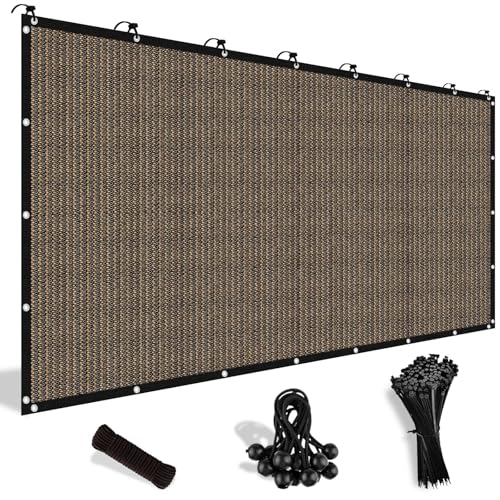
90% Sun Block: Shade&Beyond shade cloth with grommets provides 90% UV protection and resists UV fading. With excellent shading and heat insulation, you can get a shady retreat and keep your belongings away from the sun's harsh effects. By lowering the temperature under its shelter, these sunshades for patio always allow you to enjoy a cool and refreshing outdoor experience, making them ideal for patios, gardens, and more
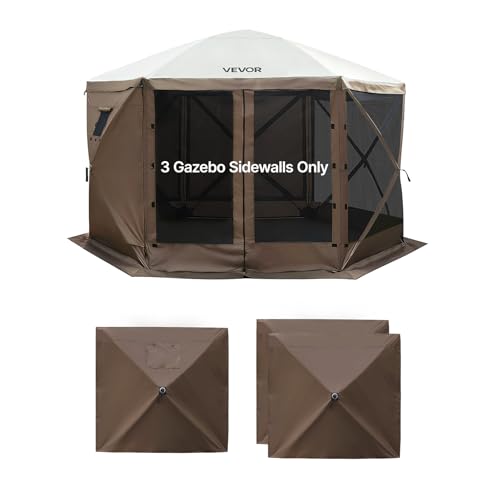
Complete 3-Piece Canopy Sidewall Set with Windowed Panel for 12x12 Pop-Up Gazebo Tents Our canopy sidewalls include two solid panels and one windowed panel, each measuring 5.67 x 4.85 ft (1730 x 1480 mm), perfectly designed for 12x12 ft pop-up gazebo screen tents and outdoor canopy shelters. The windowed panel provides ventilation and airflow while maintaining shade and privacy, making it the perfect solution for outdoor events, backyard gatherings, and commercial tents
Set Your Gazebo Budget: Entry-Level to Premium
Now that you’ve sorted out your installation method and permits, let’s talk about the real question: what’s this going to cost? Your gazebo budget depends on what you’re imagining for your outdoor space.
| Budget Level | Price Range | What You Get |
|---|---|---|
| Entry-Level | $200–$1,500 | Pop-up or basic wooden gazebos |
| Mid-Range | $1,500–$5,000 | Quality wood with decent durability |
| Premium | $5,000–$10,000+ | Custom hardtop designs, year-round use |
Pop-up gazebos offer quick curb appeal without breaking the bank. Permanent wooden structures like cedar or redwood cost more upfront but deliver lasting beauty. Hardtop roofs and enclosed designs maximize your investment by enabling year-round enjoyment. Accessories such as furniture, lighting, and mosquito netting transform your gazebo into a functional gathering spot. Professional installation and custom builds add costs yet ensure quality craftsmanship.

【All Aluminum Top & Superior Load Capacity】 The aluminum roof and column structure underwent complete structural engineering tests to ensure the stability of this gazebo. Securely affixed to both wall and ground, this pergola boasts a formidable wind resistance up to 38mph and effortlessly carries up to 6 inches of snow. Crafted with a remarkable 55lbs/㎡ load-bearing capacity, it stands firm against harsh conditions like heavy snowfalls and downpours

✅EASY TO SET UP: Easily set up and assembled by 1 or 2 people. And please kindly note, don't use any gazebo in extreme weather.

【Stable Arc Top Design】 Designed with a sturdy arched top frame, this outdoor canopy gazebo helps improve overall stability and load-bearing performance. The curved roof structure also encourages rainwater runoff, helping reduce water pooling on the canopy for a more dependable outdoor shelter experience.
Maintain Your Gazebo Year-Round
I’m excited to show you how to keep your gazebo looking fantastic through every season, because a little regular care makes all the difference in protecting your investment. We’ll explore seasonal cleaning and inspection routines that catch problems early, discover weather protection strategies like weatherproof curtains and proper anchoring that defend against harsh conditions, and walk through material-specific care so your steel roof or polycarbonate panels stay pristine for years. Whether you’re dealing with snow loads in winter or intense sun in summer, these practical steps will help you enjoy your outdoor space year-round.
Seasonal Cleaning and Inspection
How often do you think about your gazebo once the seasons change? Spring and fall are your golden opportunities to catch problems before they become expensive headaches.
Here’s what I prioritize:
- Inspect the roof thoroughly for loose panels, leaks, and UV damage, addressing cracks or rust before winter arrives
- Clear your gutters and downspouts completely to prevent water pooling and ensure proper drainage away from your foundation
- Check and lubricate moving parts like doors, curtains, and gutter channels for smooth operation year-round
You should also verify structural joints and anchor points, re-securing hardware exposed to wind and ground movement. These seasonal inspections keep your gazebo looking fantastic and performing well. Catching issues during these inspections prevents costly repairs later and extends your gazebo’s lifespan.
Weather Protection Strategies
Your gazebo faces a lot throughout the year: blazing sun, heavy downpours, howling winds, and everything in between. Choosing the right protection strategies makes all the difference.
Hardtop gazebos deliver outstanding weather protection by blocking 100% UV rays and handling heavy snow loads. If you’re in a windy area, vented dual-tier roofs reduce uplift and keep your space stable during gusty conditions. Integrated gutters channel rainwater away from entrances and foundations, preventing water damage and erosion.
Your material choice matters. Steel and aluminum frames resist corrosion well, while vinyl and composite options offer low-maintenance durability. For extended seasonal use, weatherproof curtains and heating options let you enjoy your gazebo comfortably year-round.
Material-Specific Care Routines
Once your gazebo’s weather defenses are in place, keeping those protections working means understanding what your specific materials need. Create a maintenance routine that keeps your outdoor sanctuary looking fantastic year-round.
Different materials demand different care approaches:
- Wood (cedar, redwood, pressure-treated pine): Reseal every 2–5 years to prevent weathering and rot
- Metal frames (aluminum or steel): Inspect promptly for rust or corrosion, then address issues immediately
- Vinyl and composite materials: Clean periodically to preserve color, though they require minimal upkeep
Your maintenance plan includes regular cleaning, checking loose fasteners, and tackling problems before they worsen. These simple steps keep your gazebo protected, beautiful, and ready for every season.
Host Gatherings in Your Gazebo: Layout and Hosting Tips
What makes a gazebo an excellent gathering spot? It’s where memories happen. Your gazebo size matters tremendously when planning layouts, so measure your footprint carefully and allow 2–3 feet around furniture for comfortable movement. A 10×12 to 12×12 gazebo fits a standard 6-person dining table perfectly, giving everyone breathing room and accessibility.
| Feature | Benefit |
|---|---|
| Mosquito netting | Extends evening entertaining |
| Privacy curtains | Creates intimate zones |
| Integrated gutters | Protects foundation during rain |
| String lights | Enhances ambiance beautifully |
Prioritize essentials first: sturdy roofing, stable framing, reliable anchoring. Then add seasonal touches like outdoor rugs and lighting. These practical additions transform your space into an inviting retreat for gatherings with friends and family.