Galvanized steel beds are safe for growing vegetables. Zinc leaching occurs in tiny amounts well below toxic levels, and plants regulate their own zinc uptake. To minimize leaching, keep your soil neutral to slightly alkaline. Add a food-safe liner for extra protection, maintain proper drainage, and check your soil pH quarterly. You can expect decades of safe, thriving harvests.
Common Safety Myths About Galvanized Steel Garden Beds
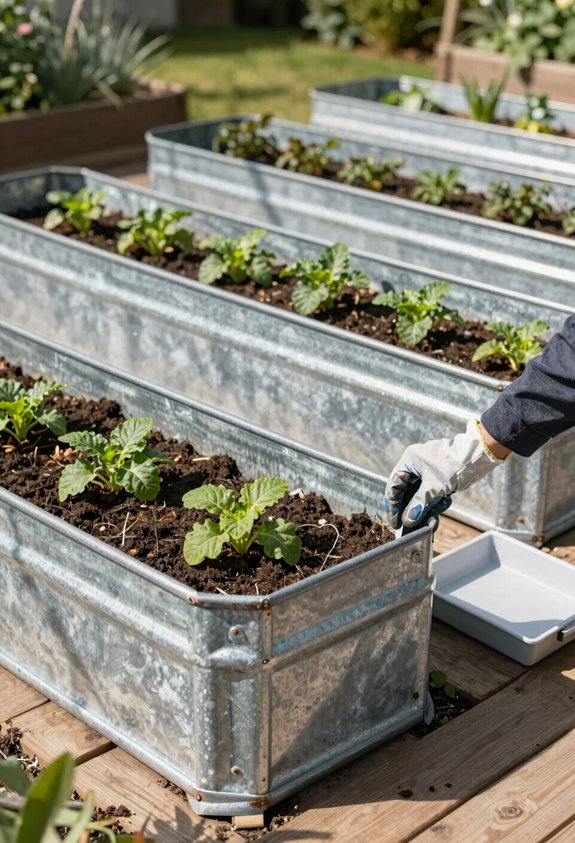
Why do so many gardeners worry that galvanized steel beds will poison their vegetables? This concern circulates frequently, but the evidence doesn’t support it. The biggest safety myth is that galvanized steel shouldn’t be used for edible gardens at all.
The facts are these: zinc leaching from galvanized coatings happens in tiny amounts that stay well below toxic levels for plants and humans. Your soil pH actually controls whether zinc moves into your soil. Acidic soils increase mobility, while neutral to slightly alkaline soils keep zinc stable. By choosing high-quality coatings from reputable vendors, you’re making a sound choice. Thousands of successful gardeners grow thriving vegetables safely in galvanized beds every single year.
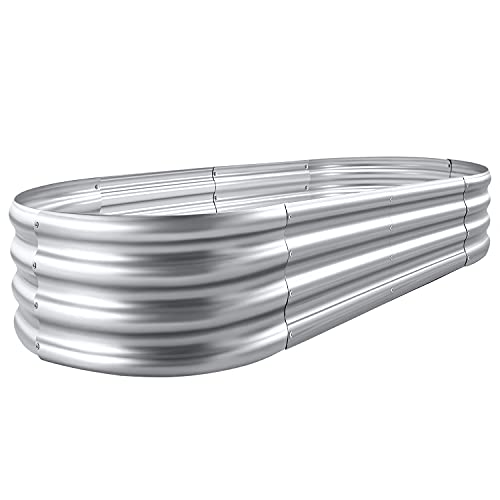
Each raised metal garden bed size: 4×2×1ft ,7.14Cu

4X2X1FT GROWING SPACE: This oval raised garden bed measures 4 x 2 x 1 ft, providing 7+ cu. ft. of organized growing space for vegetables, herbs, flowers, strawberries and selected root crops. Its compact footprint fits naturally into backyards, lawns and small outdoor gardens while keeping plants easy to reach and maintain.

OUTDOOR PLANTER BED: Raised garden bed planter for growing plants in outdoor areas where healthy ground soil is not viable or available
What Makes Galvanized Steel Safe for Food Gardens
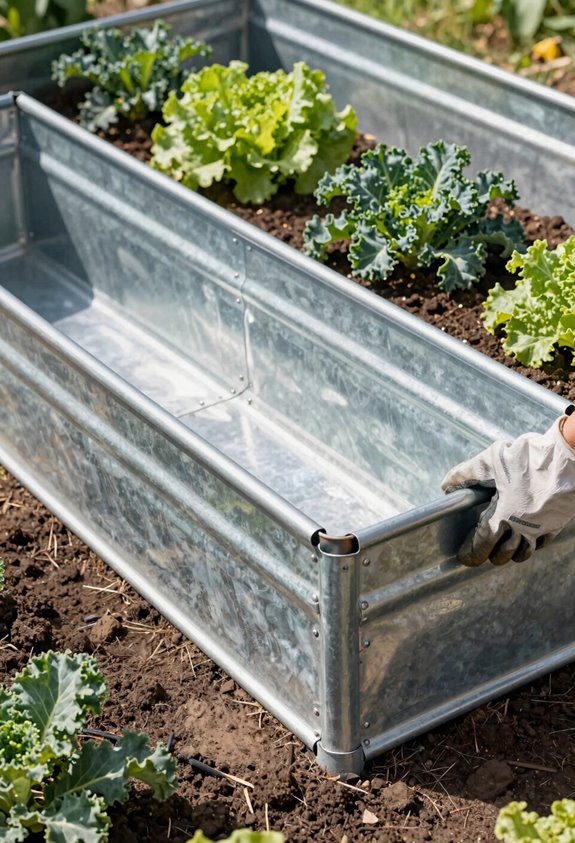
Now that we’ve cleared up the myths, let’s look at what actually makes galvanized steel a reliable choice for growing your food. The zinc coating creates a metallurgical bond that prevents rust. Zinc transfer to your soil stays small and safe for edible crops. Zinc is an essential micronutrient we all need, and plants naturally regulate their uptake, preventing harmful buildup.
To maximize soil safety, choose high-quality galvanized beds from reputable vendors and test your soil pH. Neutral to slightly alkaline conditions minimize zinc leaching significantly. Food-safe liners provide additional protection, though many gardeners grow vegetables directly in galvanized steel without complications. Galvanized steel beds have proven effective for countless home growers.
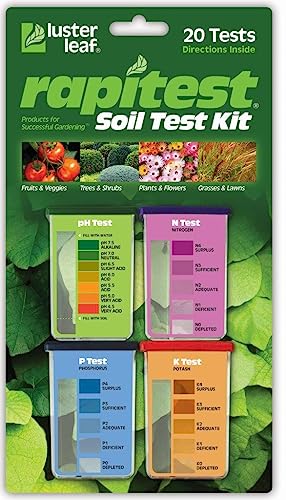
Quick, at home results for Soil pH, Nitrogen, Phosphorous and Potash Innovative and inexpensive soil test kit features an easy-to-use capsule system and patented color comparators

Quick, at home results for Soil pH, Nitrogen, Phosphrous and Potash

Kindly NOTE: This soil tester can not be applied to test pH value of any other liquid. If the soil is too dry the indicator will not move, and water it before testing.
How Zinc Leaching Works in Your Galvanized Garden Bed
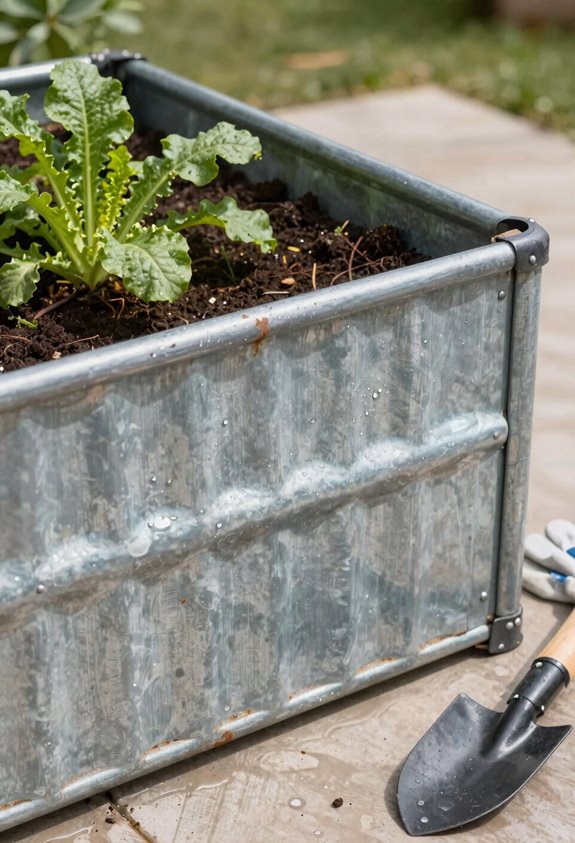
The moisture in your soil is the main driver behind zinc leaching. When water moves through your galvanized beds, it can gradually dissolve tiny amounts of zinc from the coating.
- Soil pH matters most: Acidic soils speed up zinc leaching, while neutral to slightly alkaline soils keep it stable
- Small amounts escape: The zinc that leaches into soil stays within safe levels for edible plants
- Plants need zinc anyway: Your vegetables naturally absorb small quantities as an essential micronutrient
- Quality coatings resist better: High-quality galvanized beds minimize leaching significantly
Testing your soil pH before planting gives you measurable control over zinc leaching rates. Understanding these mechanisms ensures your garden remains safe for food production.

Feed the soil not the plants - stimulate microbial activity in your soil and boost probability of success with all types of plants… like composting but faster

Made for Acid-Loving Plants – Formulated to support blueberries, hydrangeas, and other acid-loving plants.

Improves soil health, lawn health, plant health, and reduce the use of fertilizers
Soil pH: The Key to Safer Galvanized Beds
Your soil’s pH is the critical factor for keeping zinc safely locked in your galvanized bed. By testing your soil and understanding how different pH levels affect zinc mobility, you can create the ideal growing environment that protects both your plants and your family. The following steps show you exactly how to test your soil and what pH range you should target to make your galvanized bed safe and productive.

PLENTY INNER SPACE -- The whole garden planter set holds up 46″ L × 23.5″ W × 16″ H of inner space, which provides plenty of room for all of your vegetables, flowers, and any other plants

Raised Garden Bed - Add a new level of convenience to your gardening experience with the Galvanized Raised Garden Bed. Enjoy expanded yield and a more assembled garden layout with this garden accessory, each sized at 72 Inches x 24 Inches x 12 Inches.

LARGE PLANTING SPACE: 8.4 cubic feet of space can support your choice of flowers, succulents, vegetables, and more
Testing Your Soil pH
Why does soil pH matter so much when you’re using galvanized garden beds? Regular pH testing prevents zinc from leaching into your soil and plants.
Here’s what I recommend for pH testing:
- Pre-plant testing: Test before you plant anything to establish your baseline soil pH
- Annual soil testing: Check your pH yearly because soil changes over time
- Aim for neutral pH: Target a range between 6.0–7.0 to stabilize zinc
- Address acidic soils: If your pH dips too low, adjust it upward to prevent zinc leaching
Regular soil pH testing is essential for galvanized bed management. When you maintain neutral conditions between 6.0–7.0, you reduce the risk of zinc leaching and protect your crops and family. The process is straightforward, inexpensive, and one of the most effective investments you can make for your galvanized beds.
pH Levels And Zinc Mobility
How does soil pH control whether zinc stays locked in your galvanized bed or escapes into your plants? Soil pH determines zinc mobility, and understanding this relationship is critical for safe gardening.
Neutral to slightly alkaline soil (pH 6.0–8.0) keeps zinc stable and contained within your galvanized beds. Acidic soils significantly below pH 6 dramatically increase zinc leaching, allowing unwanted zinc inputs into your growing space. Pre-plant testing reveals your soil’s natural tendencies, helping you make informed decisions before planting edibles.
Getting a soil test done is one of the most important steps you can take. Regular pH monitoring throughout the season maintains that optimal balance, protecting both your plants and preventing excessive zinc accumulation. Consistent monitoring ensures your soil chemistry supports healthy plant growth while preventing toxic mineral buildup.
Installing Your Galvanized Bed for Safety and Drainage
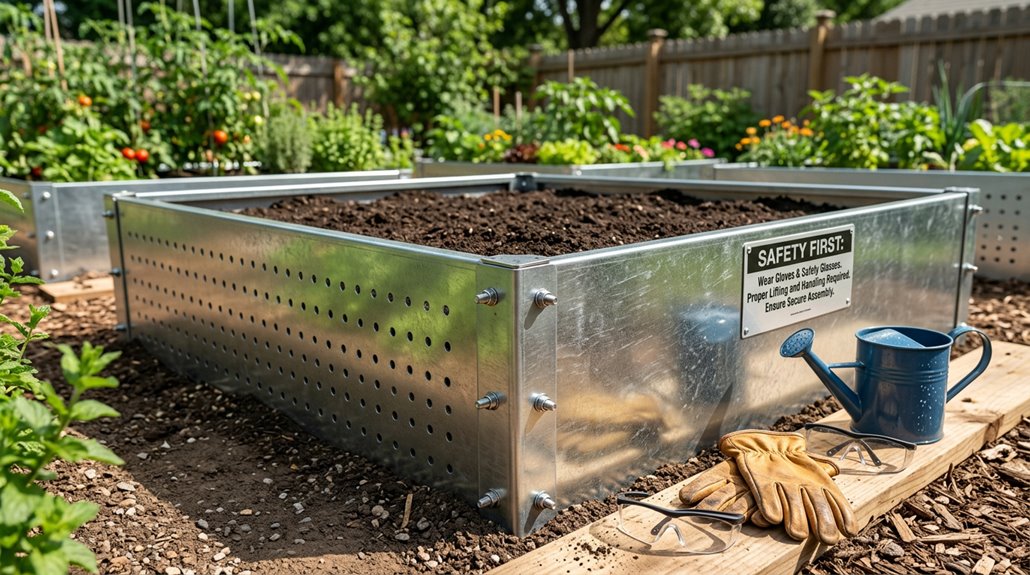
Getting your galvanized garden bed set up the right way makes all the difference in keeping your plants thriving and your garden safe.
Proper installation protects both your investment and your garden’s health. Follow these steps to ensure success:
- Choose a level location where water drains naturally, preventing pooling that weakens coating integrity
- Drill small bottom holes if your bed doesn’t have them, allowing excess water to escape
- Install a food-safe liner inside the bed to create a protective barrier between soil and galvanized metal
- Inspect all edges and joints for sharpness or loose fasteners before planting anything
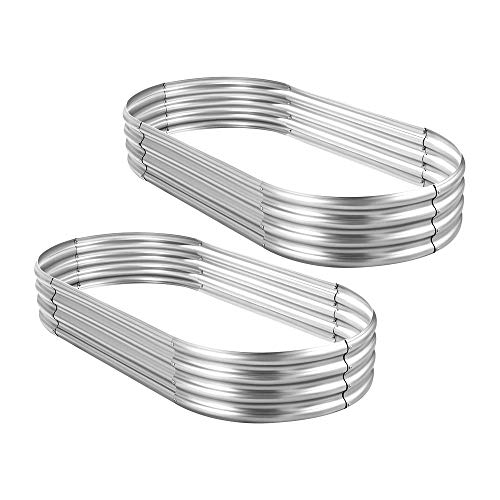
Each raised metal garden bed size: 4×2×1ft , 7Cu

Pack of 2 Raised Garden Bed - Add a new level of convenience to your gardening experience with the lightweight Galvanized Raised Garden Bed. Enjoy expanded yield and a more assembled garden layout with this garden accessory, each sized at 72 Inches x 24 Inches x 12 Inches.

Size: 60×29×11 in, 68 gallons of soil required.
Should You Line Your Galvanized Bed?
Lining your galvanized bed is one of the smartest moves you can make. A food-safe liner acts as a protective barrier between your soil and the metal, reducing concerns about zinc transfer while providing benefits like easier drainage control and simpler seasonal cleanouts. You have two main options available: heavy-duty plastic or certified food-grade liners. When installed correctly with full coverage and overlapping edges, they transform your galvanized bed into a safer growing space.

Accurate Soil pH Testing: Dewildetradingco Soil pH Test Strips offer measurements of soil pH levels (pH 3.5-9). As an essential tool for every gardener and grower, these test strips help determine the optimal pH for various plants, such as outdoor plants, indoor plants, gardens, grass lawns, fruit trees, flowers, vegetables, and forest shrubs.

How to Accurately Test Garden's Soil pH? Many growers do not able to use the correct tools and methods to obtain accurate soil ph values; NewTest soil ph test kit includes upgraded soil ph test strips, measuring cylinders, and instructions for professional testing methods; it allows even beginners to easily and accurately obtain soil ph values

PROFESSIONAL-GRADE ACCURACY: Engineered specifically for soil pH testing, delivering results quickly (in about 60 seconds). With a 3rd Generation, 3-pad ph tester strips design, our soil ph test kit ensures consistent, repeatable results for all your lawn, landscape and garden needs.
Liner Benefits and Peace of Mind
One of the smartest moves you can make when setting up your galvanized garden bed is adding a protective liner. A quality food-safe liner creates a genuine barrier between your soil and the galvanized metal, which protects your garden’s health.
Here’s what you’ll gain:
- Reduced zinc leaching into your plants and soil
- Extended bed longevity by protecting metal from moisture and soil acidity
- Easier cleanup when you’re done gardening
- Prevention of harmful chemical transfer to your vegetables
Choose liners specifically designed for gardening use and verify liner compatibility before installing. Maintaining soil pH at 6.0–7.0 keeps your galvanized beds performing well for years.
Food-Safe Lining Options Available
When you’re deciding whether to line your galvanized bed, consider whether you want maximum protection for your garden. Thick plastic or pond liners work well because they create a barrier that prevents soil-metal contact and eliminates zinc transfer concerns. Choose a BPA-free liner that covers your entire bed bottom and sides completely. This liner durability means your investment lasts years longer while you grow with confidence. Inspect yours periodically for tears or gaps to catch problems before they develop. The right food-safe liner protects both your plants and your family from potential zinc contamination, while also extending the life of your galvanized bed structure.
Why Do Metal Beds Get Hot: And How to Manage It?
Have you ever touched a metal garden bed on a sunny afternoon and wondered why it’s so hot? Metal beds have high thermal conductivity, which means they absorb and transfer heat quickly. This causes your soil temperature to climb higher than it would in other materials, potentially stressing your plants.
To manage this challenge:
- Add mulch insulation – A 3-4 inch layer buffers temperature swings and reduces peak heat exposure
- Incorporate organic matter – Compost acts as an insulator, protecting roots from excessive warmth
- Use shade placement – Position beds where they’ll receive afternoon shade or gentle breezes
- Adjust watering frequency – Heat management requires more frequent watering since metal beds increase evaporation
Strategic plant placement matters. Position heat-tolerant species toward warmer edges while keeping sensitive crops in cooler, shade-protected areas. This approach maintains plant health across different microclimates.
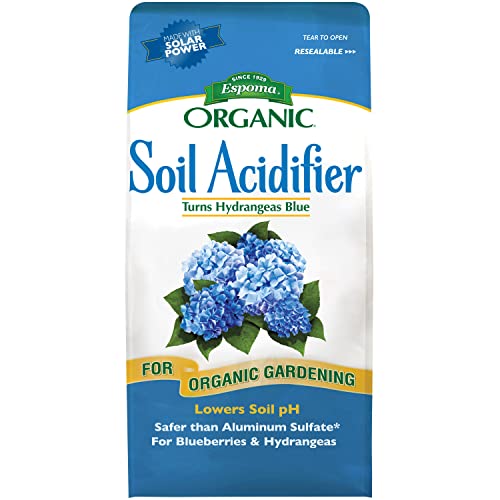
FOR USE ON: For all Acid-loving plants; Use Espoma Organic Soil Acidifier for azaleas, hydrangeas, rhododendrons, blueberries, evergreens, strawberries, camellias, and all plants that thrive in acidic soils.

FOR USE ON: For all Acid-loving plants; Use Espoma Organic Soil Acidifier for azaleas, hydrangeas, rhododendrons, blueberries, evergreens, strawberries, camellias, and all plants that thrive in acidic soils

Package contains 6 pounds organic soil acidifier grains and is produced to avoid wasteful runoff, mess, hazards and smells
Choosing a Quality Galvanized Bed That Lasts 20+ Years
When shopping for a galvanized bed that will last 20+ years, focus on two critical factors: the durability standards and materials used, plus the coating quality that prevents rust. Look for beds with hot-dip galvanized coatings or zinc-aluminum-magnesium alloys, as these provide superior long-term performance. Reinforced joints and smooth edges contribute to both safety and the bed’s appearance and functionality over decades.
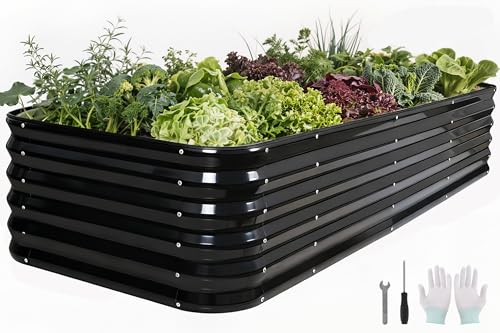
Upgrade Quality & Structure: This garden beds is made of 0.5mm thick galvanised steel material with rust-resistant coating, which can effectively resist wet weather and sunlight, ensuring that it will not be easily deformed or rusted after long-term use

Durable Construction: The 6X3X1FT silver oval galvanized garden raised bed is made with strong galvanized steel material and painted by plastic in black , ensuring its long-lasting durability and resistance to rust

【Spacious and Versatile Design】: The CATMANOR raised garden beds outdoor provide ample growing space for a variety of vegetables, herbs, and flowers. The raised bed design maximizes planting capacity, making it an ideal solution for gardening enthusiasts who want to grow medium to deep-rooted plants such as broccoli, beans, and more.
Durability Standards and Materials
Selecting the right galvanized garden bed means investing in a container that will produce for 20+ years. Durability standards matter when you’re building your gardening community.
What separates the best galvanized steel beds from the rest:
- Zinc coating quality: Hot-dip galvanizing provides superior corrosion resistance compared to thinner coatings
- Advanced protective coatings: Zinc-aluminum-magnesium alloys extend life in wet or humid climates significantly
- Edge safety features: Rolled or folded edges prevent injuries while improving structural integrity
- Cross bracing support: Internal reinforcement ensures your bed won’t fail under soil pressure
Choose reputable brands that guarantee their durability standards. Quality materials and proper drainage management extend your garden bed’s lifespan to decades of harvests.
Coating Quality and Longevity
The magic behind a galvanized bed that lasts 20+ years happens in a process called hot-dip galvanizing, where steel gets dipped into molten zinc that bonds metallurgically. This creates a protective layer that becomes part of the metal itself, rather than simply coating the surface like paint.
Choosing high-quality galvanized beds with superior coating quality makes a measurable difference in longevity and corrosion protection. When you invest in durable materials from reputable brands, you receive sturdy edge design that resists wear and minimizes zinc leaching into your soil. Smart additions like liner use or powder-coated alternatives provide extra safeguards to keep that protective barrier intact longer.
A well-constructed galvanized bed serves as a reliable garden foundation for decades of use.
Monitoring Galvanized Bed Health Over Time
Since your galvanized garden bed will last for years, it’s smart to keep tabs on what’s happening inside it. Stay proactive about monitoring soil chemistry to catch any changes early.
- Test soil pH regularly – acidic conditions increase zinc leaching, so aim for neutral to slightly alkaline soil
- Watch for zinc leaching signs – discolored plants or unusual growth patterns warrant investigation
- Check coating condition – inspect galvanized beds annually for rust or damage spots
- Consider liners – they’re food-safe materials that provide extra protection between soil and metal
Regular monitoring keeps your garden soil safe and your vegetables thriving. Quarterly pH tests help verify that your galvanized beds maintain their protective coating integrity and remain suitable growing spaces for years ahead.

Raised Garden Bed - Add a new level of convenience to your gardening experience with the Galvanized Raised Garden Bed. Enjoy expanded yield and a more assembled garden layout with this garden accessory, each sized at 120 cm X 60 cm x 30 cm.

[1.84ft Deep & Back-Friendly Design] Gardening should be joyful, not painful. Our metal raised garden beds are designed to be 1.84ft deep significantly reduces bending and stooping, easing strain on your back and spine. This ergonomic height makes planting, weeding, and harvesting comfortable for everyone, from seasoned gardeners to those with mobility concerns, while providing ample depth for roots to thrive

SIZE: The plant bed measure is 23.6"L x 23.6"W x 11.8"H. This round planter box provide ample growing space to raise vegetables, flowers and plants.
Who Should Avoid Galvanized Beds (And Better Alternatives)
While galvanized beds work well for most gardeners, they’re not the perfect choice for everyone, and knowing your options is important.
| Situation | Better Choice |
|---|---|
| Very acidic soil (pH below 5.5) | Cedar or concrete beds |
| Young children or pets chewing edges | Lined galvanized or wood alternatives |
| Seeking absolute lowest risk | Non-steel options like corten |
| Budget-conscious gardeners | Powder-coated steel frames |
| Wanting food-safe assurance | Certified alternatives with liners |
If you’re concerned about zinc leaching or safety certifications, using a food-safe liner inside your bed addresses many concerns. You could also explore alternative materials like cedar, concrete, or non-steel options that eliminate concerns entirely. When purchasing galvanized beds, always buy from reputable vendors with proper food-safe certifications. Multiple options exist to match your specific gardening needs and priorities.

KNOW BEFORE YOU GROW | Grow the healthiest, sustainable lawn and garden with the most accurate and easy to use professional soil test kit on the market
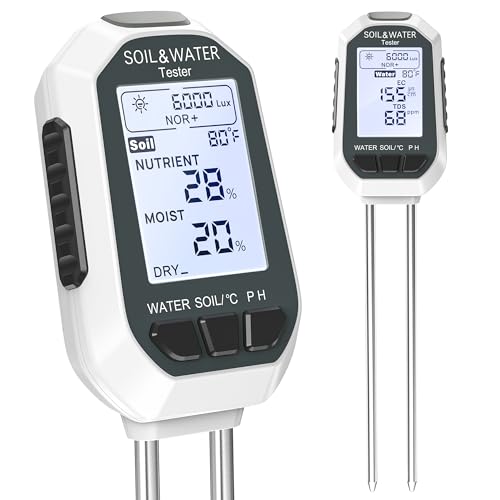
【7-in-1 Features】This is a 7-in-1 multi-function soil tester. Our soil tester quickly measures soil moisture, pH, temperature and light intensity, and its fertility function helps you take better care of your plants. With this device you can measure the soil moisture, pH, temperature and light intensity for your plants and with the EC and TDS functions you will know when it is time to water the soil.

150 STRIPS SOIL pH TESTS STRIPS : This Soil pH test kit contains 150counts test strips (3–9 Range)