
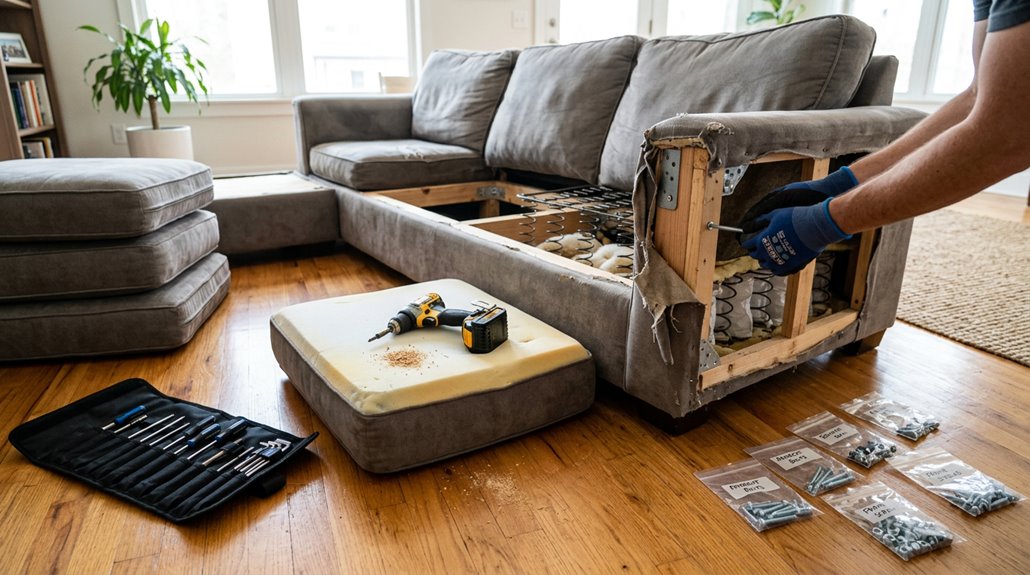
I’ve got an awesome way to tackle this. First, grab your screwdrivers, wrenches, and Allen keys, then clear your workspace. Next, remove those cushions and hunt down every fastener hiding in seams and joints. Then comes the satisfying part: unscrew the legs, detach the arms, and disconnect the backrest using proper lifting technique. Finally, separate the frame pieces and wrap them carefully for moving or storage. Keep reading to discover exactly where those sneaky fasteners hide.
Collect Your Tools and Prepare Your Work Area
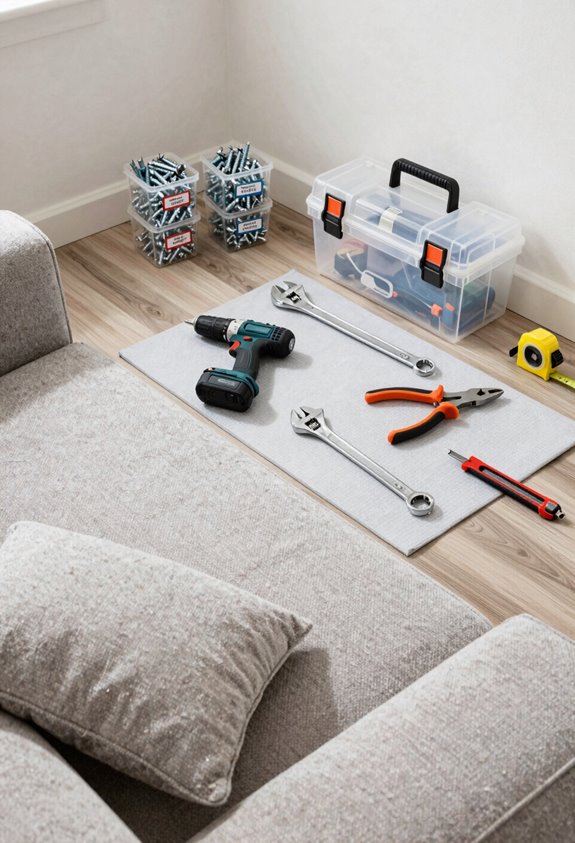
Before you tackle that couch, you’ll want to gather everything you need. Having the right tools nearby makes this whole process smoother. Start by collecting your screwdriver set with both Phillips and flathead tips, an Allen wrench, adjustable wrench, staple puller, box cutter, and utility knife. Next, grab plastic bags or containers to organize screws and bolts by type, which prevents confusion during reassembly.
Preparing your workspace is equally important. Lay down protective materials like cardboard or blankets to shield your floors, and clear a wide, unobstructed area around the couch for safe movement. Finally, slip on gloves and a mask. These protect your hands and reduce dust exposure during disassembly steps. You’re ready to begin.

【Precision Screwdriver Set】 Small screwdriver set has 140 bits in multiple models, including Torx , Phillips, Pentalobe, Star, Triwing, Triangle Etc, covering most screwdriver models on the market. The 4 long bits can help you remove deeper screws. Some commonly used screwdriver bits are also equipped with 2-3 bits of the same model as backup.
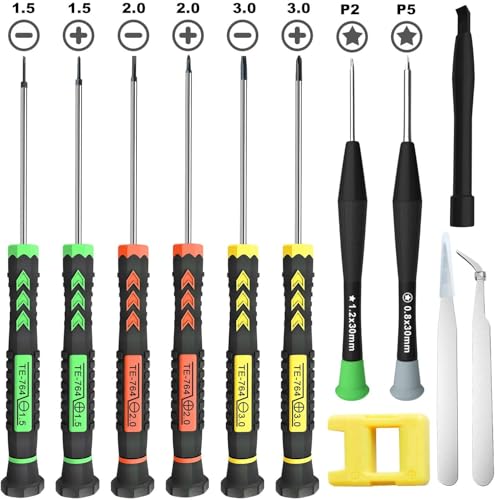
[Package Includes] – 1 x 3.0 Flathead Screwdriver, 1 x 2.0 Flathead Screwdriver, 1 x 1.5 Flathead Screwdriver, 1 x 3.0 Phillips Screwdriver, 1 x 2.0 Phillips Screwdriver, 1 x 1.5 Phillips Screwdriver, 1 x Pentalobe 2 Screwdriver, 1 x Pentalobe 5 Screwdriver, 1 x Helper Stick, 2 x Tweezers, 1 x Magnetizer & Demagnetizer Tool

【Ergonomic Design and CRV Material】Frosted anti-slip pattern handle, easy and labor-saving. The screwdriver bits are made of high quality CRV steel, more wear-resistant and durable.
Remove Cushions and Find All the Fasteners
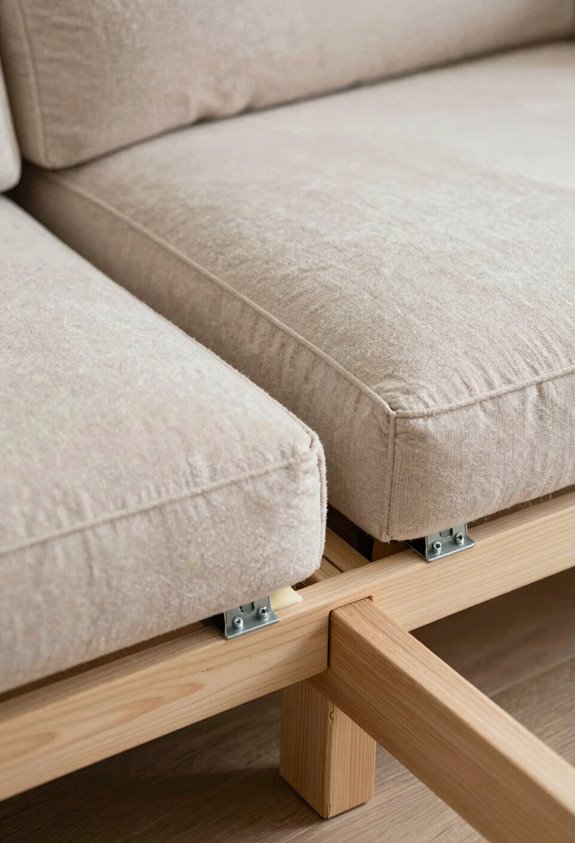
Start by lifting every cushion and pillow, setting them in a labeled area so nothing gets mixed up. Next, check for removable zippers on the covers, because detachable cushions reveal the frame underneath. Inspect all seams and joints carefully, looking for visible screws, bolts, and fasteners hiding in plain sight.
| Fastener Type | Location | Tool Needed |
|---|---|---|
| Screws | Frame corners | Screwdriver |
| Bolts | Leg attachments | Wrench |
| Allen bolts | Side panels | Allen wrench |
| Brackets | Support joints | Screwdriver |
| Clips | Under springs | Needle-nose pliers |
Gather every fastener into labeled bags. This organization keeps reassembly simple and prevents confusion during reassembly.

BED FRAME HARDWARE: Kings Brand Furniture presents a bed frame hardware kit that has a stylish and sturdy design. This bed hardware set plays a key role in equipping any item that supports nuts and bolts. It is also a perfect solution to organize your living space with a modern look.

Product name:Crib Screws Hardware Replacement Kit.Includes nuts, wrenches.

[Valuable Bed Bolts] This toolbox include 10 pieces M6 x 100mm allen screws and 10 pieces M6 barrel nuts, coming with one 4mm allen key, all stored in one plastic container
Take Apart the Legs, Arms, and Backrest
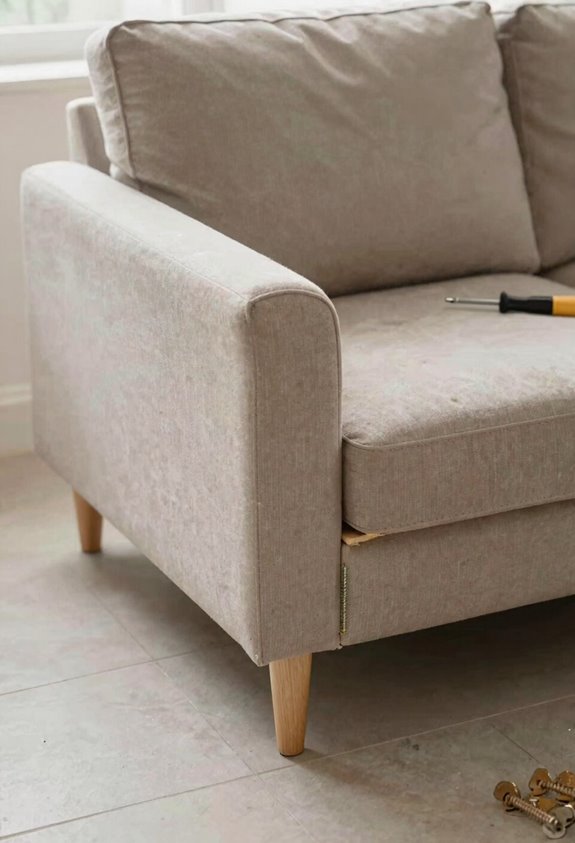
With all those fasteners organized in labeled bags, you’re ready for the really satisfying part of actually breaking down the couch into its main pieces. I start by removing the couch legs using my screwdriver, unscrewing each bolt carefully. Next, I tackle the arms by locating their mounting screws and bolts, keeping everything labeled so reassembly is straightforward. Then comes the backrest. This is where significant work begins. I find those bracket connections and unscrew them methodically. Since my backrest is pretty heavy, I grab a friend to help me lift it safely away from the frame. We use proper lifting technique because our backs require proper care. Once that’s free, I separate the remaining frame components, labeling each piece. This methodical approach transforms an overwhelming task into manageable, rewarding progress.

GREAT FOR ANY STAPLE REMOVAL NEEDS: The Arrow staple remover is a versatile tool that can remove all kinds of staples with ease and speed, making it perfect for home, office, garden, school, and more; It's a great choice for crafts, repairs, and other projects

【Package Information】4 Pcs Nail Removal Tool Set includes 1 end cutting pliers, 1 nail remover.1 V-nail puller and 1 U-nail puller.The 4-in-1 staple remover tool set comes in 4 different types to perfectly fit your everyday decorating need,help you to easily take off staples from wooden case, furniture, floor, carton, photo frame, carpet and others.

Sturdy material: the tack lifter is made of CRV-chrome vanadium steel with acetate handle, providing sturdy strength and durability, easy and effective to remove staples
Separate the Frame and Wrap Each Piece
Once you’ve freed the legs, arms, and backrest, you’re left with the main frame. This is where you’re close to having completely manageable pieces. Remove any remaining hidden fasteners holding the frame together, using your screwdriver or wrench to detach each connection. As you separate these components, you’re creating individual pieces that transport much easier than the whole couch. Collect every single fastener in labeled bags so you can locate them during reassembly. Wrap each frame piece snugly in blankets or bubble wrap, protecting all surfaces from scratches and damage. Pack everything into labeled containers or one large box. This couch disassembly method ensures your furniture arrives at its destination in perfect condition, ready for reassembly.

Including 2 moving & packing blankets 80x72in,weighing approximately 3.5lb/ apiece.

Professional Moving Blanket -- 40" x 72" moving & packing blankets that provide exceptional damage protection from scratches, dirt, and moisture when moving or transporting furniture, appliances, and other valuable large items. It's also handy to pad moving boxes when shipping fragile items.
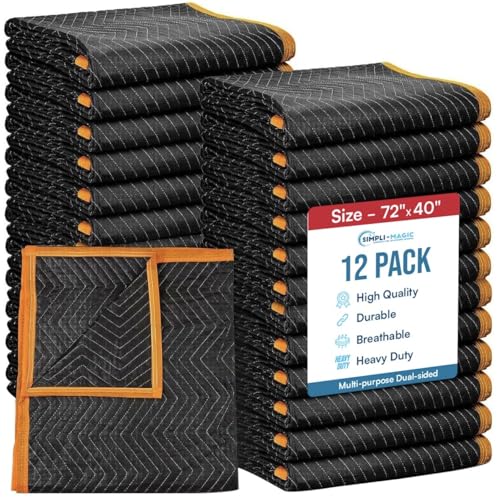
Professional-grade: Oversized, 72" x 40" premium quality moving pads that provide exceptional damage protection from scratches, nicks, dirt, and moisture when moving or transporting furniture, appliances, and other valuable large items. Designed in California
Transport, Reassemble, or Dispose of Your Couch
What happens next depends entirely on your plan for those carefully wrapped frame pieces and cushions you’ve just created. If you’re moving, your wrapped components are ready for transport. Just load them into a truck or van. Planning to reassemble? Keep those fasteners organized in labeled bags so you’ll know exactly where each screw and hinge belongs when you’re ready to rebuild. Prefer a fresh start? Contact your local waste management for proper disposal options, since dismantled upholstery and frame pieces require special handling. You’ve completed this project by taking control yourself. Whether you’re moving forward with your couch or disposing of it, you now understand the process of disassembling furniture, a skill applicable to future projects.
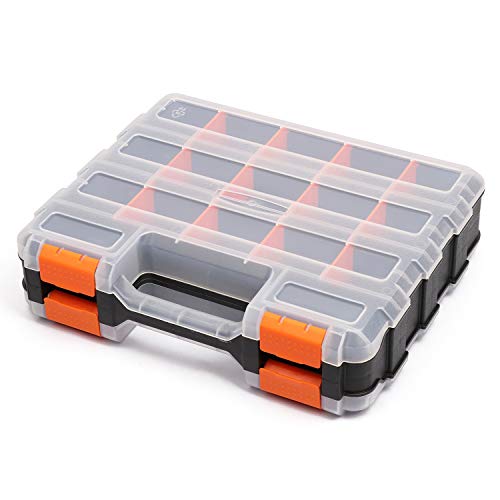
Made of durable and heavy duty plastic material. Double side design with professional looking. An attractive color combination in black body, clear lids, orange closure and divider pieces
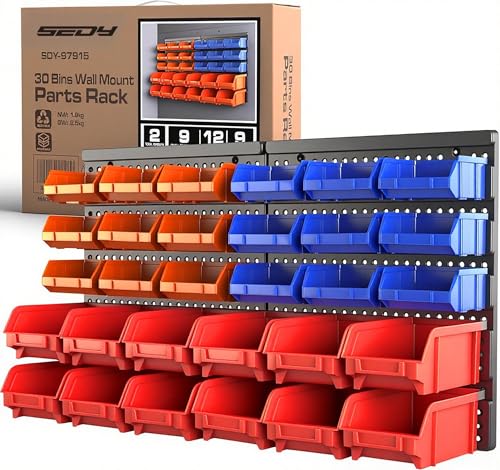
MULTIFUNCTIONAL STORAGE - 30-bin storage system, perfect for organizing screws, nuts, bolts, tools, and miscellaneous small parts
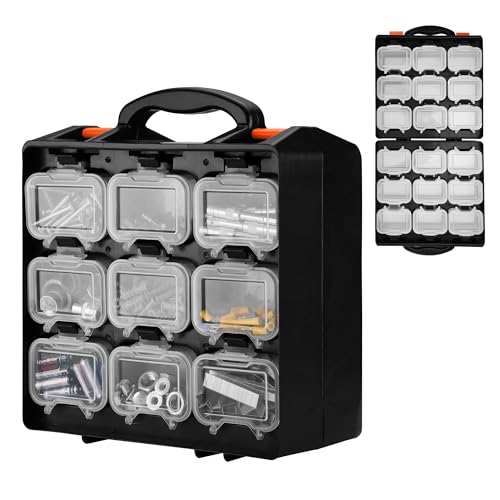
DOUBLE-SIDED STORAGE FOR MAXIMUM ORGANIZATION: This heavy-duty double-sided tool organizer provides two spacious compartments, perfect for categorizing and storing screws, nails, bolts, nuts, washers, and other small tools or accessories. Ideal for professionals, DIYers, and hobbyists looking for an efficient hardware storage box or double-sided tool box.